




6-Layer Pricing Engine Architecture
Data Collection & Integration Layer
Apache Kafka, Python scrapers, REST APIs8 Data Sources That Drive Pricing Decisions
| Signal | Source | Frequency | Impact | Description |
|---|---|---|---|---|
| Historical Bookings | PMS / CRM | Daily sync | High | Booking pace, cancellation rates, length-of-stay patterns, guest segment mix, revenue by room type |
| Competitor Rates | OTA scraping | Every 30-60 min | High | Room rates, availability, inclusions, promotional offers across 5-10 key competitors |
| OTA Search Demand | OTA analytics APIs | Daily | High | Search volume for your city/dates on MakeMyTrip, Booking.com — leading indicator of future bookings |
| Events & Festivals | BookMyShow, govt calendars | Weekly | High | Concerts, conferences, weddings (Hindu/Muslim calendars), IPL matches, government holidays |
| Flight Bookings | Aviation data APIs | Daily | Medium | Inbound flight bookings to your city — early signal for business and leisure demand |
| Weather Forecasts | Weather APIs | 6-hourly | Medium | Weather impacts leisure demand — rain in Goa drops rates, pleasant weather in hill stations spikes demand |
| Reviews & Ratings | OTA review APIs | Weekly | Medium | Rating changes affect price elasticity — higher ratings support higher rates |
| Economic Indicators | RBI / market data | Monthly | Low | USD/INR rate (for international tourists), GDP indicators, corporate travel budgets |
Before vs After: Revenue Impact
| Metric | Before (Manual) | After (AI Engine) | Improvement |
|---|---|---|---|
| RevPAR (Revenue Per Available Room) | Rs 3,200 | Rs 3,840 | +20% |
| Average Daily Rate (ADR) | Rs 5,000 | Rs 5,500 | +10% |
| Occupancy Rate | 72% | 79% | +7pp |
| Revenue Manager Hours/Week | 40 hours | 12 hours | -70% |
| Last-Minute Discounting | 25% of inventory | 10% of inventory | -60% |
| Rate Update Frequency | 1x/day (manual) | 24x/day (automated) | +2400% |
| Competitor Response Time | 4-8 hours | 30 minutes | -90% |
| Forecast Accuracy | 62% (spreadsheet) | 89% (ML model) | +44% |
Cost Breakdown
| Tier | Scale | Cost | Features | Timeline |
|---|---|---|---|---|
| Single Property | 1 Hotel (50-200 rooms) | Rs 12-25 Lakh | Demand forecasting, 3-5 OTA integrations, competitor monitoring, dashboard, GST optimization | 10-12 weeks |
| Multi-Property Chain | 5-20 Properties | Rs 25-60 Lakh | Portfolio optimization, 10+ channels, advanced ML ensemble, event detection, white-label option | 14-16 weeks |
| Enterprise OTA Platform | 50+ Properties / OTA | Rs 60L - 2 Crore | Real-time engine, API marketplace, custom ML per segment, GDS connectivity, full audit compliance | 18-24 weeks |
| Monthly Maintenance | Any | Rs 15-50K/month | Model retraining, OTA integration maintenance, scraper updates, dashboard updates, SLA support | Ongoing |
Custom vs SaaS: How We Compare
| Feature | Cartoon Mango (Custom) | RateGain | PriceLabs | Global (IDeaS/Duetto) |
|---|---|---|---|---|
| Pricing Model | Custom ML per property/chain | Platform-standard algorithms | Rule-based + basic ML | Advanced ML (high cost) |
| Indian Market Specialization | GST slabs, Indian festivals, MakeMyTrip parity, Hindi dashboard | Good India presence | Decent India support | No India-specific features |
| OTA Integrations (India) | MakeMyTrip, Goibibo, Yatra, Cleartrip + global OTAs | Comprehensive (own channel mgr) | Good coverage | Global OTAs only, no MMT/Goibibo |
| PMS Integration | Any PMS including Indian (Hotelogix, IDS Next, eZee) | Major PMS via own connectivity | Limited PMS direct integration | Opera, Mews, Cloudbeds only |
| Data Ownership | 100% client-owned | Platform retains aggregated data | Platform retains data | Platform-owned |
| Cost Structure | Rs 12L-2Cr one-time + Rs 15-50K/mo maintenance | Rs 10-30K/property/month (recurring) | Rs 5-15K/property/month (recurring) | $500-2000/property/month |
| White-Label for Chains | Full white-label with custom branding | Limited customization | No white-label | Enterprise plans only |
| Model Transparency | Full model explainability, audit trail for every price decision | Black-box recommendations | Rule-based (transparent) + ML (opaque) | Varies, often opaque |
14-Week Implementation Roadmap
Data Audit & PMS Integration
- Audit historical booking data quality (18-24 months needed)
- Connect PMS via API or database sync
- Set up competitor rate scraping infrastructure
- Define pricing strategy rules and constraints with revenue team
ML Model Development
- Feature engineering from historical and external data
- Train demand forecasting ensemble (XGBoost + LSTM)
- Build price elasticity model per room type/segment
- Develop reinforcement learning price optimizer
- Backtest model against historical decisions
Channel Integration & Business Rules
- Integrate OTA rate push APIs (MakeMyTrip, Booking, Expedia)
- Connect channel manager (SiteMinder/AxisRooms)
- Implement GST slab optimizer and rate parity rules
- Build corporate rate protection and min/max guardrails
Dashboard & Testing
- Build revenue management dashboard with real-time metrics
- Competitor rate comparison and alert system
- End-to-end load testing (1000+ concurrent price updates)
- Security audit for scraping and API infrastructure
Shadow Mode & Go-Live
- Shadow mode: AI recommends, revenue manager approves (2 weeks)
- Measure AI vs human decision quality
- Gradual transition to autonomous pricing with human oversight
- Full go-live with monitoring dashboards and alert system
Get a Free Revenue Optimization Assessment
We will analyze your current pricing strategy, estimate the RevPAR uplift from AI dynamic pricing, and provide a custom architecture roadmap — free of charge.
Book Free AssessmentRelated Services
Related Insights
Frequently Asked Questions
Common questions about AI automation for AI dynamic pricing for hotels and OTAs
What is an AI dynamic pricing engine for hotels?
An AI dynamic pricing engine automatically adjusts room rates in real-time based on demand signals, competitor pricing, seasonality, local events, booking velocity, and historical patterns. Unlike rule-based systems that follow static if-then pricing, AI engines use machine learning models (gradient boosting, neural networks) to predict optimal prices that maximize RevPAR (Revenue Per Available Room). Modern engines update prices every 15-60 minutes across all OTA channels simultaneously, achieving 15-30% revenue uplift compared to manual pricing.

How much does it cost to build a custom dynamic pricing engine?

Custom dynamic pricing vs SaaS solutions like RateGain or PriceLabs — which is better?
What data sources does the pricing engine use?
How accurate are AI pricing predictions for Indian hotels?
How long does implementation take?
Which OTA and channel manager integrations are supported?
Can the engine handle Indian pricing complexities like GST slabs and rack rate regulations?
What ML models are used for hotel demand forecasting?
How does competitor rate monitoring work?
What ROI can hotels expect from AI dynamic pricing?
Is the pricing engine suitable for small boutique hotels (10-30 rooms)?
Want to See What We Build with AI Hotel Dynamic Pricing Engine?
Get a free consultation and discover how we can turn your idea into a production-ready application. Our team will review your requirements and provide a detailed roadmap.
- Free project assessment
- Timeline & cost estimate
- Portfolio of similar projects
Your information is secure. We never share your data.
We Have Delivered 100+ Digital Products


Sports and Gaming
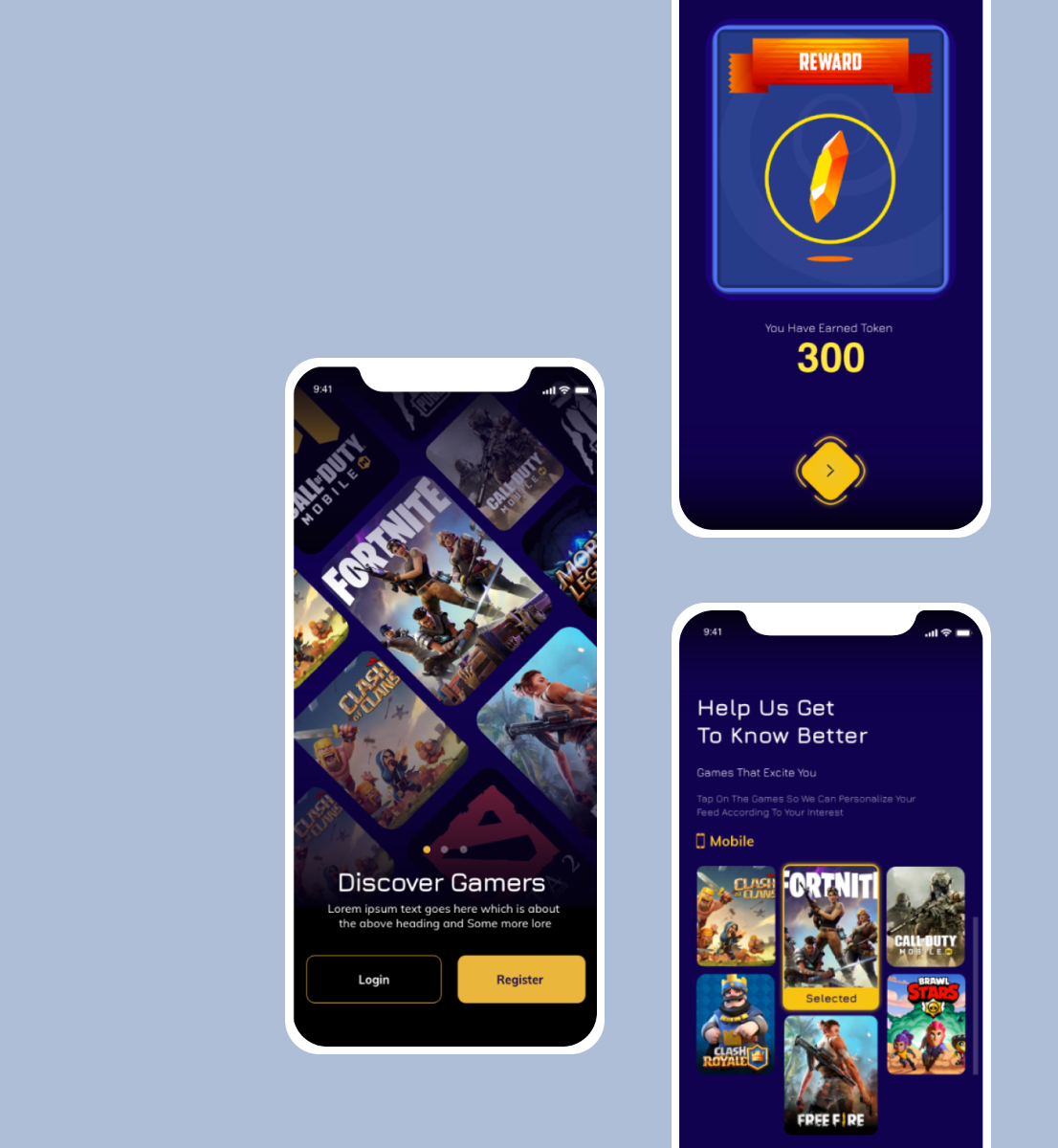
IPL Fantasy League
Innovation and Development Partners for BCCI's official Fantasy Gaming Platform
Banking and Fintech
Kotak Mahindra Bank
Designing a seamless user experience for Kotak 811 digital savings account
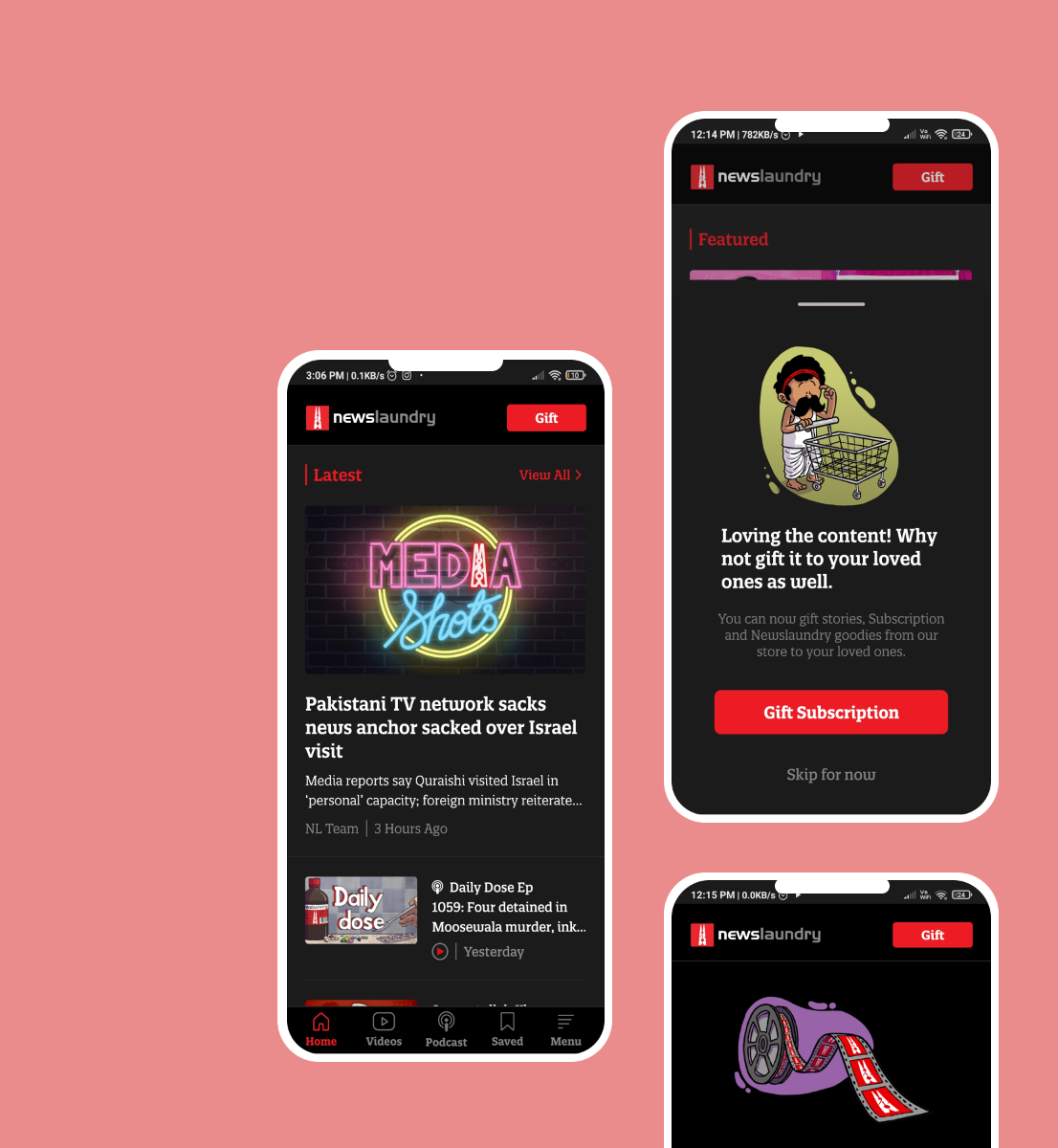
News and Media
News Laundry
Reader-Supported Independent News and Media Organisation

Written by the Cartoon Mango engineering team, based in Bangalore and Coimbatore, India. We build AI-powered revenue management systems, dynamic pricing engines, and travel technology platforms for hotels, OTAs, and hospitality chains across India and internationally.


Design for Success
AI Automation
- AI Operations
- Manufacturing AI
- Logistics AI
- Retail AI
- Finance AI
- Healthcare AI
- HR AI
Engagement
- Gamification
- Interactive Marketing