


AI Automation for Healthcare
Let Clinicians Focus on Patients, Not Paperwork
Healthcare workers are drowning in administrative tasks. Doctors spend hours documenting in electronic health records. Staff manually verify insurance, process claims, and coordinate schedules. This administrative burden contributes to burnout and takes time away from patient care.
AI automation changes this equation. We build systems that handle the paperwork automatically so healthcare professionals can focus on what they trained to do. From intelligent scheduling that reduces no shows to clinical documentation that writes itself, our solutions reduce administrative overhead by 25 percent or more while improving accuracy and compliance.

The Healthcare AI Opportunity
Intelligent automation addresses the biggest operational challenges in healthcare
Eliminate Administrative Burden
Healthcare staff spend excessive time on tasks that do not require human judgment. AI automates insurance verification, prior authorizations, claims processing, and appointment reminders. It handles routine patient inquiries and frees staff to focus on cases that need human attention. Organizations report 25 to 35 percent reduction in administrative costs.
Streamline Clinical Documentation
Physicians spend two hours on documentation for every hour of patient care. AI clinical documentation listens to patient encounters and generates structured notes automatically. Doctors review and approve rather than type from scratch. This cuts documentation time in half while improving note completeness and accuracy.
Optimize Patient Flow
Empty appointment slots waste resources. Overbooking frustrates patients. AI scheduling optimizes patient flow by predicting appointment duration, matching patients to appropriate providers, and filling cancellation slots automatically. It reduces no shows through targeted outreach and improves overall clinic efficiency.
OUR HEALTHCARE AI SOLUTIONS
HIPAA compliant automation built for healthcare workflows
01
Intelligent Patient
Scheduling
Optimize appointment scheduling with AI that considers provider availability, patient preferences, appointment types, and historical patterns. The system predicts no shows and overbooking risks, suggests optimal slot assignments, and automatically fills cancellations. Patients can self schedule through conversational interfaces.
02
Clinical Documentation
Assistant
Transform how clinicians document patient encounters. Our AI listens to conversations, extracts relevant clinical information, and generates structured notes in your EHR format. It understands medical terminology, codes diagnoses and procedures, and learns your documentation preferences. Review and approve rather than type.
03
Revenue Cycle
Automation
Accelerate the revenue cycle with AI that verifies insurance eligibility, generates prior authorizations, codes claims accurately, and identifies denials before they happen. It tracks claims through the payment process and prioritizes follow up actions. Healthcare organizations reduce days in accounts receivable and improve collection rates.
04
Patient Communication
Platform
Engage patients through their preferred channels with AI powered communication. The system handles appointment reminders, prescription refill requests, test result notifications, and routine inquiries. It escalates complex questions to staff and maintains comprehensive communication logs for compliance.
05
Medical Imaging
Analysis
Enhance radiologist productivity with AI that pre reads images and highlights areas of concern. The system detects patterns associated with common conditions, prioritizes urgent cases, and provides measurement assistance. It serves as a second reader that catches findings humans might miss while reducing read times.
06
Care Coordination
Intelligence
Manage care transitions and follow up automatically. AI identifies patients who need outreach, tracks care plan compliance, and coordinates between providers. It predicts patients at risk for readmission and triggers interventions. Care managers can focus on high risk patients while AI handles routine coordination.
Healthcare AI Impact Numbers
Results achieved by healthcare organizations using AI automation
25%
Reduction in administrative overhead
50%
Less time spent on documentation
30%
Reduction in no show rates
15%
Improvement in collections
40%
Faster prior authorization
20%
More patients seen per day
Frequently Asked Questions
Common questions about AI automation for healthcare
How does AI reduce administrative burden in healthcare?
Healthcare workers spend up to 50 percent of their time on paperwork and administrative tasks. AI automates documentation through voice transcription and natural language processing. It handles appointment scheduling, insurance verification, claims processing, and patient communication automatically. This frees clinicians to focus on patient care rather than data entry.

Is AI in healthcare HIPAA compliant?

Can AI improve diagnostic accuracy?
How does AI help with patient scheduling and no shows?
What about AI for clinical documentation?
How long does healthcare AI implementation take?
We Have Delivered 100+ Digital Products



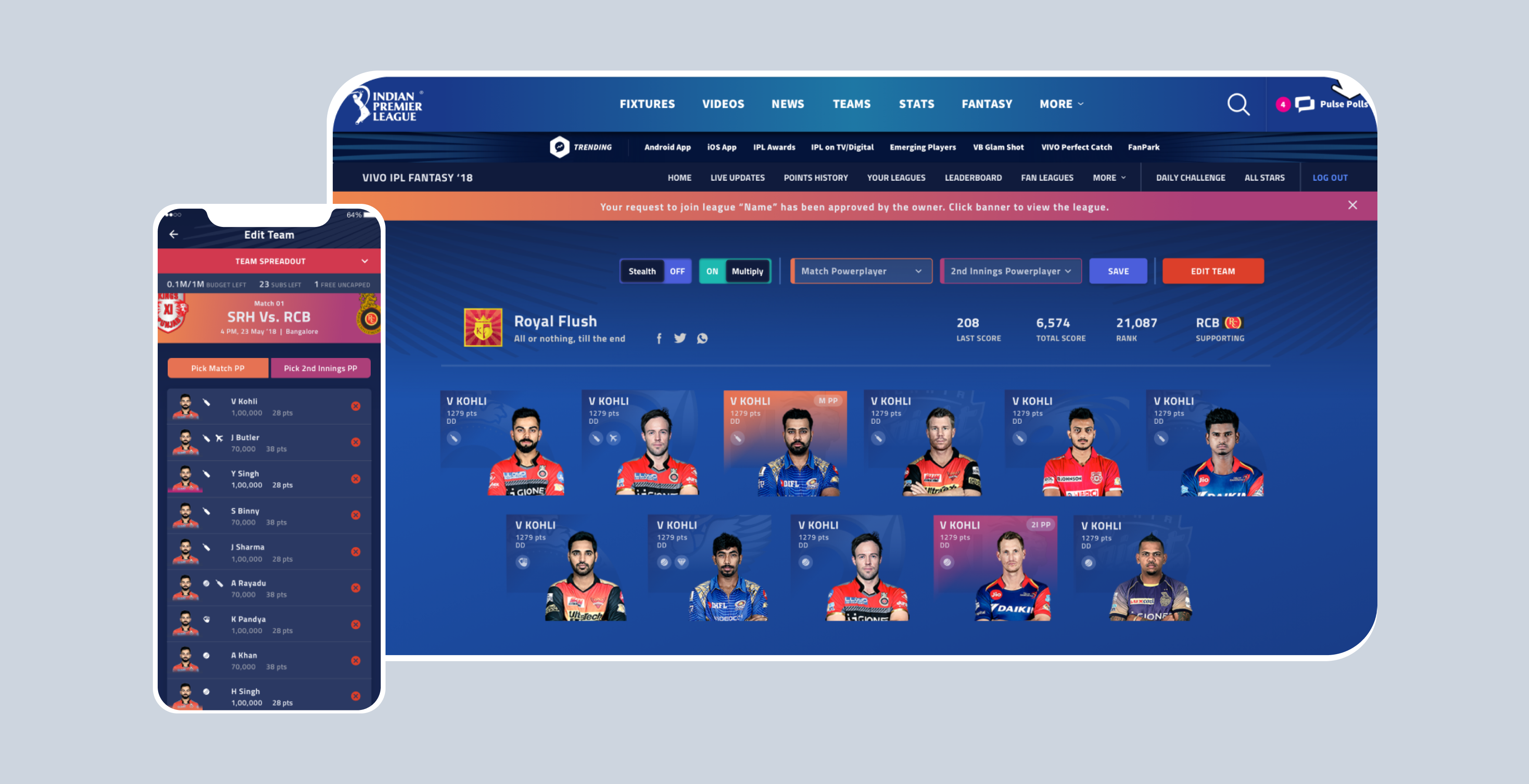
Sports and Gaming
IPL Fantasy League
Innovation and Development Partners for BCCI's official Fantasy Gaming Platform
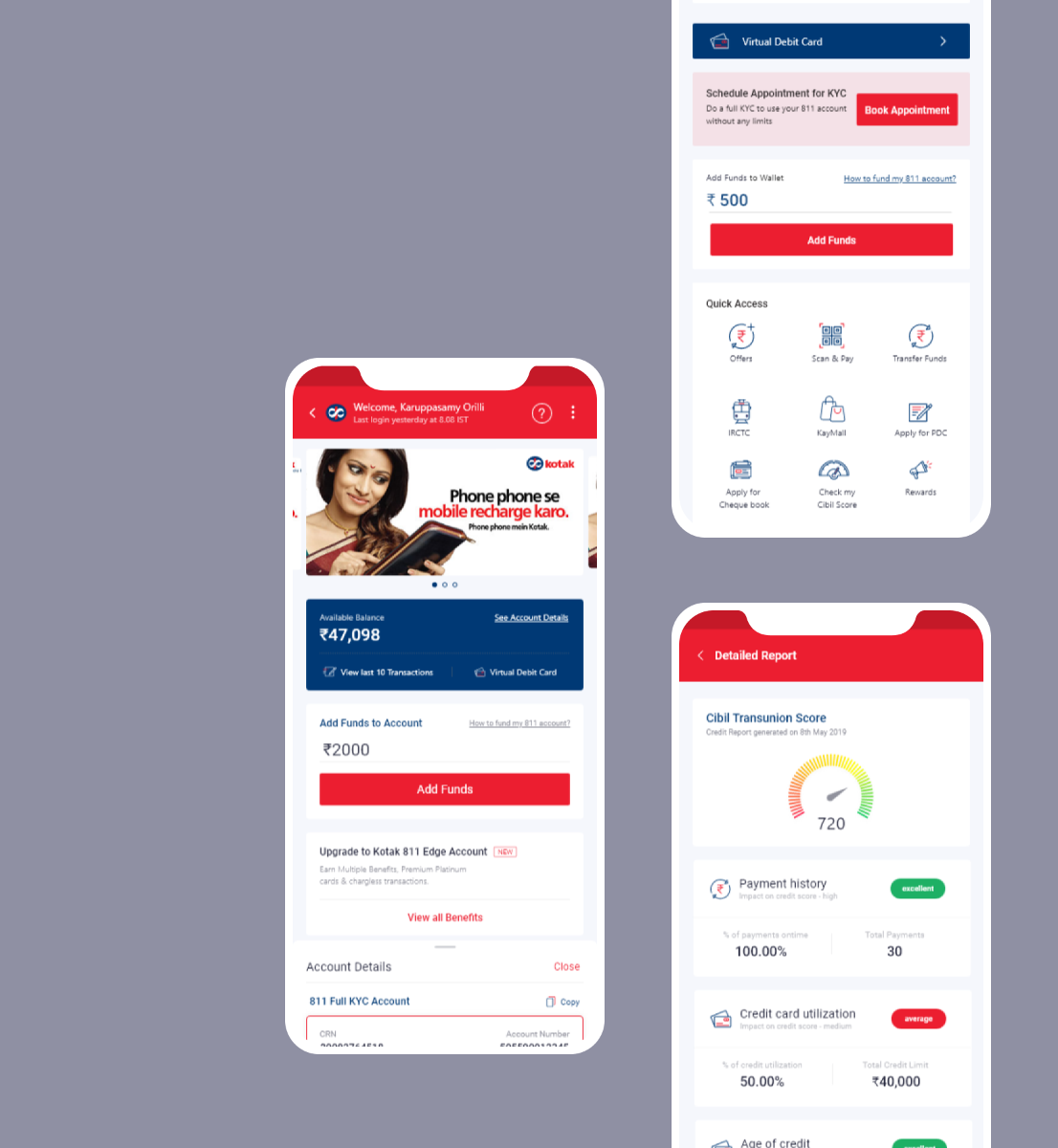
Banking and Fintech
Kotak Mahindra Bank
Designing a seamless user experience for Kotak 811 digital savings account
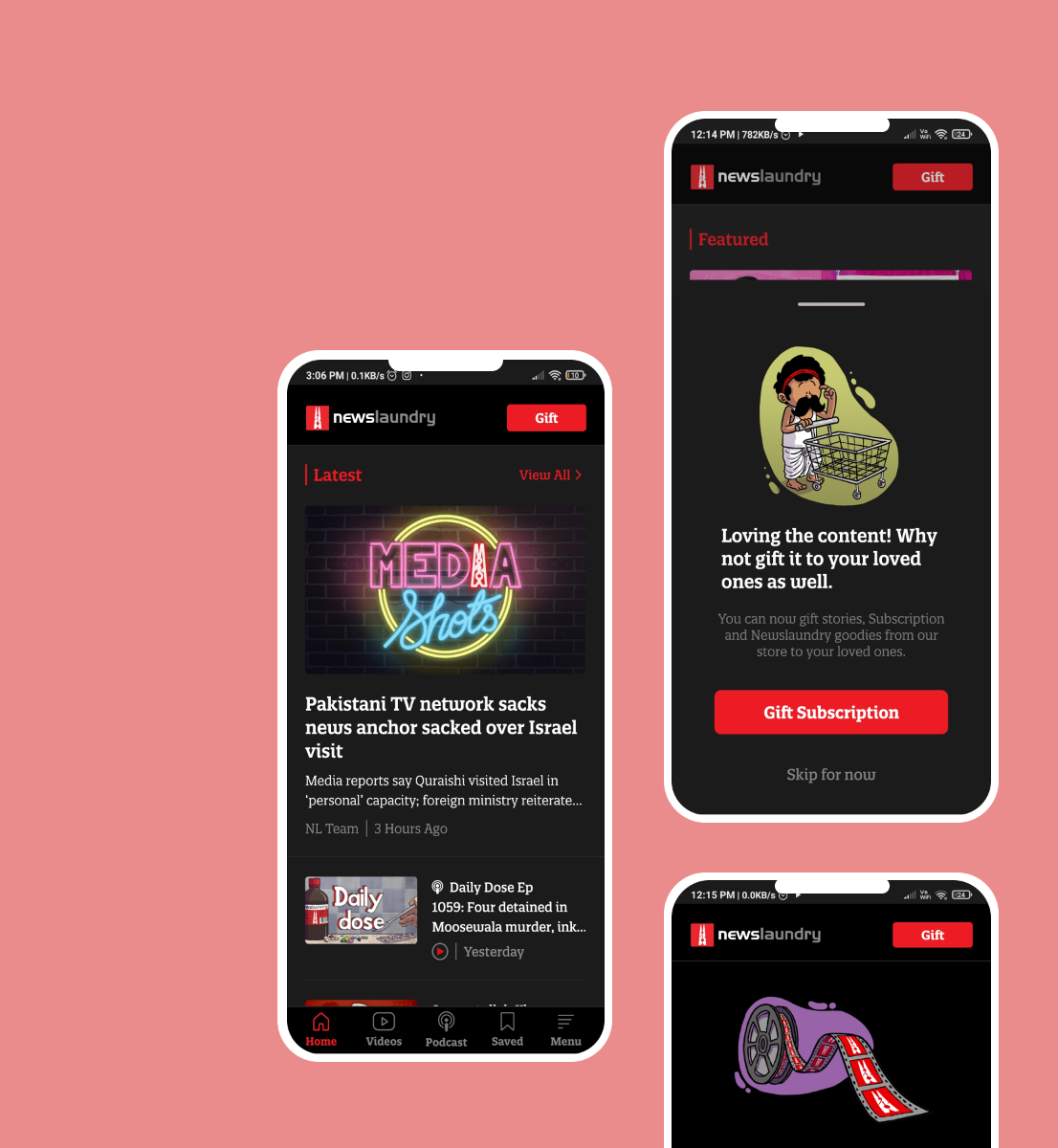
News and Media
News Laundry
Reader-Supported Independent News and Media Organisation
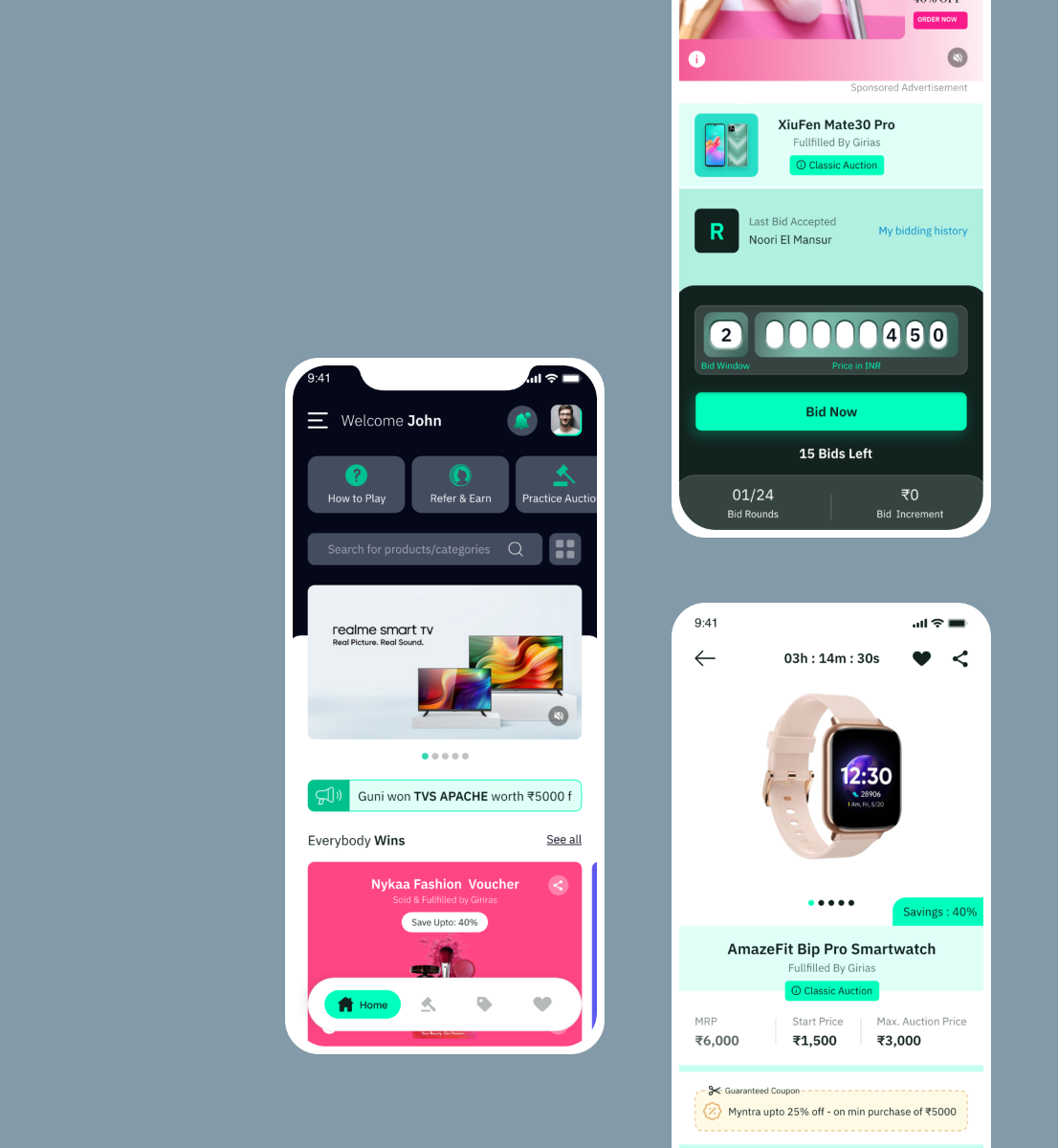



Cartoon Mango was great to work with. They improvise and provide 24X7 support.
Gaurav Saxena
Media Manager - BCCI