




4 BNPL Models for India
Choose the right model based on your ticket size, customer base, and regulatory appetite.
Pay in 4 Installments
Pay-in-4Purchase amount split into 4 equal payments over 6-8 weeks. First payment at checkout, remaining 3 auto-debited bi-weekly. Zero interest, zero cost to customer.
Examples: Simpl, Slice (India); Afterpay, Klarna (Global)
Pros
- Zero interest attracts customers
- Simple to understand
- Low default rates (2-4%)
- High merchant adoption
Cons
- Limited to small ticket sizes (Rs 500-10,000)
- Low revenue per transaction
- Requires high volume for profitability
Best for: D2C brands, fashion, electronics under Rs 10K
6-Layer Microservices Architecture
Frontend Layer
React.js, Flutter, Next.js, Tailwind CSS8-Factor Credit Scoring Model
| Factor | Weight | Data Source | Implementation |
|---|---|---|---|
| Bureau Score (CIBIL/Experian) | 30% | Credit bureau API pull | Real-time CIBIL/Experian score fetch. Accept >650, reject <550, manual review 550-650. Costs Rs 15-25 per pull. |
| Income Verification | 25% | Bank statement analysis, UPI history | Automated bank statement parsing via Account Aggregator framework. Detect salary credits, average balance, expense patterns. |
| Behavioral Signals | 15% | App usage, device data, merchant type | Device fingerprinting, app session patterns, purchase category risk scoring. Higher risk for gambling/crypto merchants. |
| Repayment History | 15% | On-platform transaction data | Track repayment timeliness for repeat users. Auto-increase limits for on-time payers, reduce for late payers. |
| UPI Spending Patterns | 5% | UPI transaction metadata | Analyze UPI transaction frequency, average amount, merchant diversity. Consistent spending indicates financial stability. |
| Device & Network | 4% | Device fingerprint, IP geolocation | Flag rooted devices, VPN usage, device age <30 days, multiple accounts per device. Fraud prevention layer. |
| Employment Verification | 3% | Email domain, LinkedIn, employer database | Verify corporate email domain, cross-reference with employer databases. Salaried employees get higher limits. |
| Account Age & Stability | 3% | Platform registration date, address stability | Longer account age and stable address history indicate lower risk. New accounts start with minimum limits. |
5 Merchant Integration Methods
| Method | Description | Effort | Best For |
|---|---|---|---|
| Checkout.js Widget | Drop a 10-line JavaScript snippet into any website. Renders BNPL option in checkout with real-time credit decisioning. Zero backend changes required. | 30 minutes | Any website, quickest integration |
| SDK Drop-in (React/Flutter) | Native UI component for mobile apps. Handles full BNPL flow — eligibility check, KYC, approval, and payment confirmation — within your app experience. | 2-3 days | Mobile apps wanting native UX |
| REST API | Full API integration for custom checkout flows. Gives complete control over UI while our APIs handle credit decisioning, disbursement, and collections. | 1-2 weeks | Custom checkout, complex flows |
| Shopify / WooCommerce Plugin | One-click install plugin from Shopify App Store or WooCommerce marketplace. Auto-configures BNPL option at checkout with merchant dashboard. | 1 hour | E-commerce platforms |
| Iframe Embed | Embed a hosted BNPL checkout page in your website via iframe. Customer completes BNPL flow in the iframe and returns to your confirmation page. | 15 minutes | Simple websites, no-code option |
RBI Regulatory Requirements
Non-negotiable compliance requirements for any BNPL platform operating in India.
RBI Digital Lending Guidelines
Reserve Bank of IndiaAll lending through regulated entities (NBFC/bank), transparent APR disclosure, cooling-off period, direct disbursement to merchant, no automatic limit increase without consent, standardized KYC
Mandatory since Sept 2022, updated 2024
NBFC Registration
RBIMinimum Rs 2 crore net owned funds, fit and proper criteria for directors, capital adequacy ratio (15%+), asset classification norms, provisioning requirements
Required before lending operations begin
KYC Norms
RBI / UIDAIFull KYC (Aadhaar eKYC or Video KYC) before first transaction, re-KYC every 2 years, PAN verification for transactions >Rs 50,000, CKYC registry update
Mandatory for all new customers
Data Localization
RBI / MeitYAll payment and financial data stored on servers physically located in India, data mirroring abroad permitted only with India-primary copy, audit access for RBI
Mandatory since Oct 2018 (payments)
Fair Practices Code
RBITransparent terms and conditions, no hidden charges, standardized loan agreement, right to prepay without penalty, prohibition on harassment for collection, privacy policy compliance
Mandatory for all NBFCs
Grievance Redressal
RBIDedicated nodal officer, 30-day resolution timeline, escalation to RBI Ombudsman if unresolved, digital complaint portal, monthly MIS reporting to RBI
Mandatory with annual reporting
Impact: With vs Without BNPL
| Metric | Without BNPL | With Custom BNPL | Improvement |
|---|---|---|---|
| Cart Conversion Rate | 2.1% | 3.8% | +35% |
| Average Order Value | Rs 1,800 | Rs 3,200 | +78% |
| Repeat Purchase Rate | 18% | 42% | +133% |
| Customer Acquisition Cost | Rs 450 | Rs 280 | -38% |
| Merchant Commission Revenue | 0% | 2-4% MDR | New Revenue |
| Default Rate (Target) | N/A | < 3% | Industry: 4-7% |
| Time to Market | 12 months (off-shelf) | 16 weeks (custom) | -67% |
| Cost per Transaction | Rs 45 (platform fees) | Rs 12 (own platform) | -73% |
Cost Breakdown by Platform Tier
| Tier | Scale | Cost | Features | Timeline |
|---|---|---|---|---|
| MVP | Single Merchant | Rs 15-30 Lakh | Basic credit engine, UPI + NACH, eKYC, single merchant integration, admin dashboard | 10-12 weeks |
| Multi-Merchant | 10-50 Merchants | Rs 30-70 Lakh | Advanced credit scoring, merchant SDK, collections automation, analytics, NBFC reconciliation | 14-16 weeks |
| Enterprise (NBFC) | 50+ Merchants | Rs 70L - 2 Crore | Full regulatory compliance, multi-bureau integration, fraud detection, audit reporting, white-label for sub-brands | 18-20 weeks |
| White-Label Customization | Existing Platform | Rs 10-25 Lakh | Branding, custom checkout UI, additional payment methods, specific merchant integrations | 6-8 weeks |
Custom vs Off-the-Shelf vs White-Label
| Feature | Custom (Cartoon Mango) | Off-Shelf (Simpl/LazyPay) | White-Label (Setu/Decentro) | Global (Affirm/Klarna) |
|---|---|---|---|---|
| Customization | Fully custom — every component | Limited to platform features | UI customization, limited logic | Enterprise configuration |
| RBI Compliance Ownership | You control end-to-end | Platform handles (you depend on them) | Shared responsibility | Not India-compliant |
| Credit Model Control | Your own ML models, your data | Platform decides who gets approved | Some parameter tuning | Opaque scoring |
| UPI Integration | Direct, optimized for your flow | Built-in but one-size-fits-all | Pre-integrated | Not available |
| Development Cost | Rs 15L-2Cr (one-time) | Rs 0 upfront, 2-4% per transaction | Rs 10-25L + monthly fee | $200K-1M + revenue share |
| Time to Market | 14-16 weeks | 2-4 weeks | 6-8 weeks | 3-6 months |
| Data Ownership | 100% yours | Platform owns customer data | Shared (varies by contract) | Varies, often platform-owned |
| Unit Economics at Scale | Rs 8-12/txn at 50K+/month | Rs 35-60/txn regardless of scale | Rs 20-35/txn | Rs 50-100/txn |
16-Week Implementation Roadmap
Discovery & NBFC Partnership
- Define BNPL model (Pay-in-4, Pay-later, EMI, or hybrid)
- Identify and negotiate NBFC partnership terms
- Map merchant integration requirements
- Credit policy framework design with NBFC partner
Architecture & Credit Model Design
- Design microservices architecture for core platform
- Build credit scoring model with bureau integration specs
- Define merchant SDK and API contract
- Database schema and data flow design
Core Development
- Build credit decisioning engine with ML pipeline
- Develop payment orchestration layer (disbursement + collection)
- Implement KYC/onboarding flow (eKYC + Video KYC)
- Build merchant dashboard and admin operations portal
- Develop collections engine with reminder automation
Integration & Testing
- Integrate UPI, NACH, credit bureaus (CIBIL/Experian)
- Build and test merchant SDK (React/Flutter/JS widget)
- Connect NBFC disbursement and reconciliation APIs
- Load testing (10K concurrent transactions)
- End-to-end checkout flow testing
Compliance & Security
- RBI Digital Lending Guidelines compliance audit
- Penetration testing and vulnerability assessment
- Data localization verification
- Fair practices code and T&C legal review
- NBFC compliance sign-off
Pilot Launch & Optimization
- Soft launch with 5-10 pilot merchants
- Monitor approval rates, default indicators, and UX friction
- Tune credit model based on real transaction data
- Optimize checkout conversion and merchant onboarding flow
- Full production launch
Get a Free BNPL Architecture Consultation
We will assess your business model, recommend the right BNPL architecture, estimate costs, and outline an NBFC partnership strategy — free of charge.
Book Free ConsultationRelated Services
Related Insights
Frequently Asked Questions
Common questions about AI automation for custom BNPL application development
What is a custom BNPL application and how does it differ from using Simpl or LazyPay?
A custom BNPL (Buy Now Pay Later) application is a purpose-built lending platform owned and operated by your business or NBFC. Unlike white-label solutions from Simpl or LazyPay where you are a merchant on their platform, a custom BNPL gives you full control over: credit decisioning algorithms (who gets approved and for how much), user experience (your brand, your checkout flow), data ownership (customer behavior and repayment data stays with you), and unit economics (you set the merchant discount rate, not a third party). Custom BNPL costs more upfront (Rs 15L-2Cr vs near-zero for off-shelf) but delivers 60-80% lower per-transaction costs at scale.

How much does it cost to build a BNPL platform in India?

What are the RBI regulations for BNPL in India?
How long does it take to launch a BNPL product?
Do we need an NBFC license to launch BNPL?
How does the credit scoring engine work?
What payment integrations are needed for BNPL?
What is the default rate for BNPL and how do you manage collections?
Custom BNPL vs white-label platforms like Setu or Decentro — which should we choose?
How does merchant integration work?
What analytics and reporting does the BNPL platform provide?
Can you build BNPL for specific industries like healthcare, education, or travel?
Want to See What We Build with Custom BNPL Platform?
Get a free consultation and discover how we can turn your idea into a production-ready application. Our team will review your requirements and provide a detailed roadmap.
- Free project assessment
- Timeline & cost estimate
- Portfolio of similar projects
Your information is secure. We never share your data.
We Have Delivered 100+ Digital Products


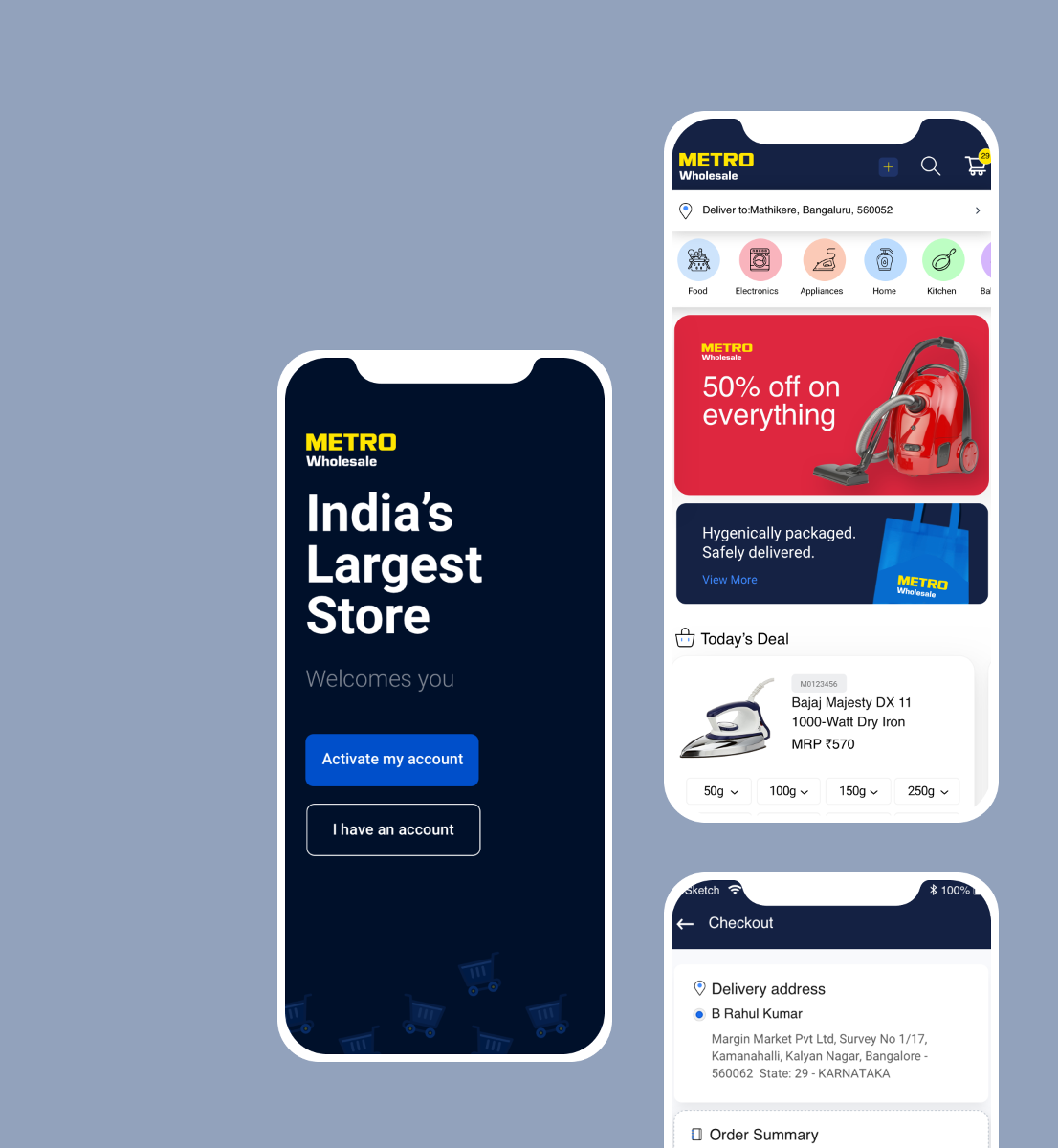

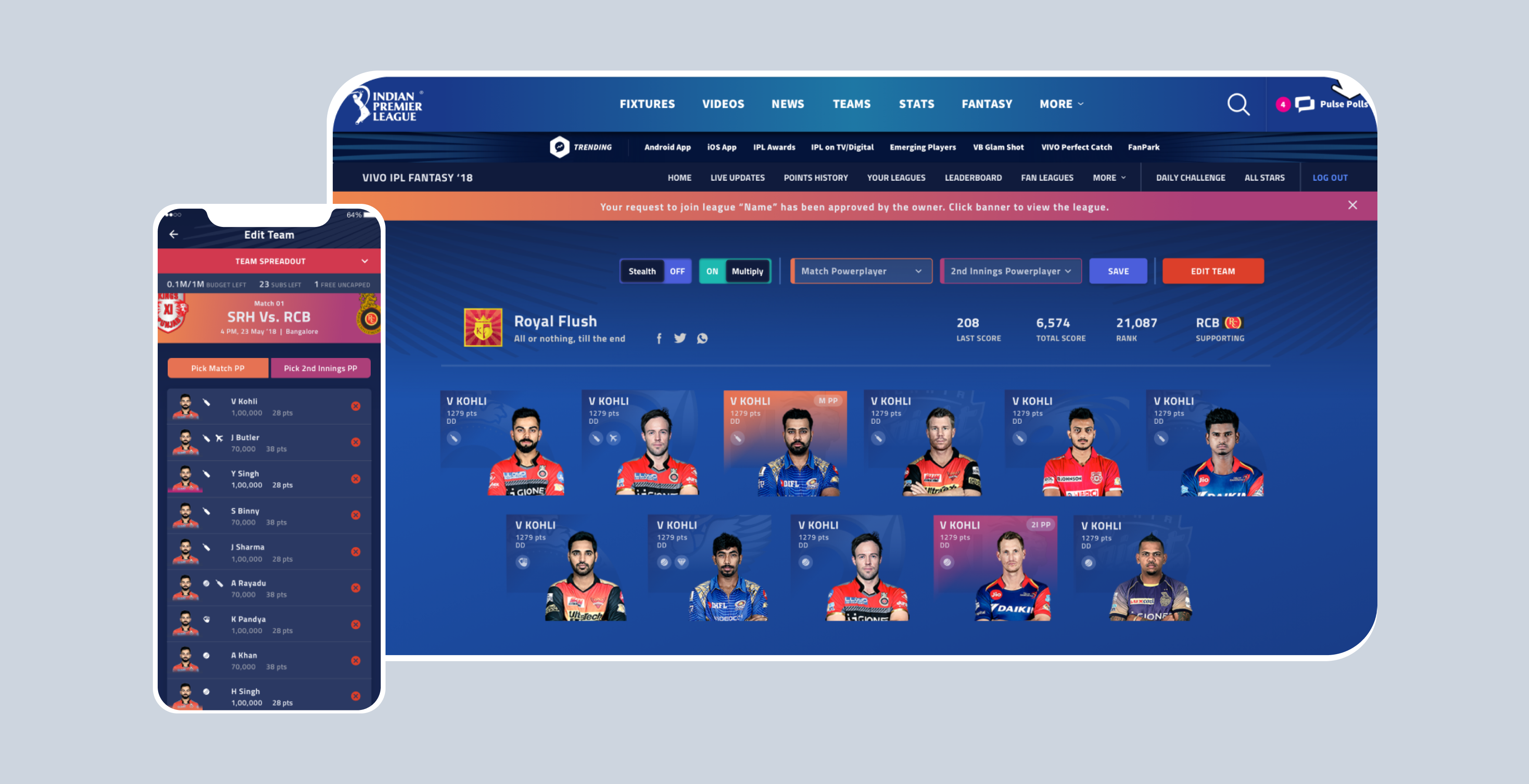
Sports and Gaming
IPL Fantasy League
Innovation and Development Partners for BCCI's official Fantasy Gaming Platform
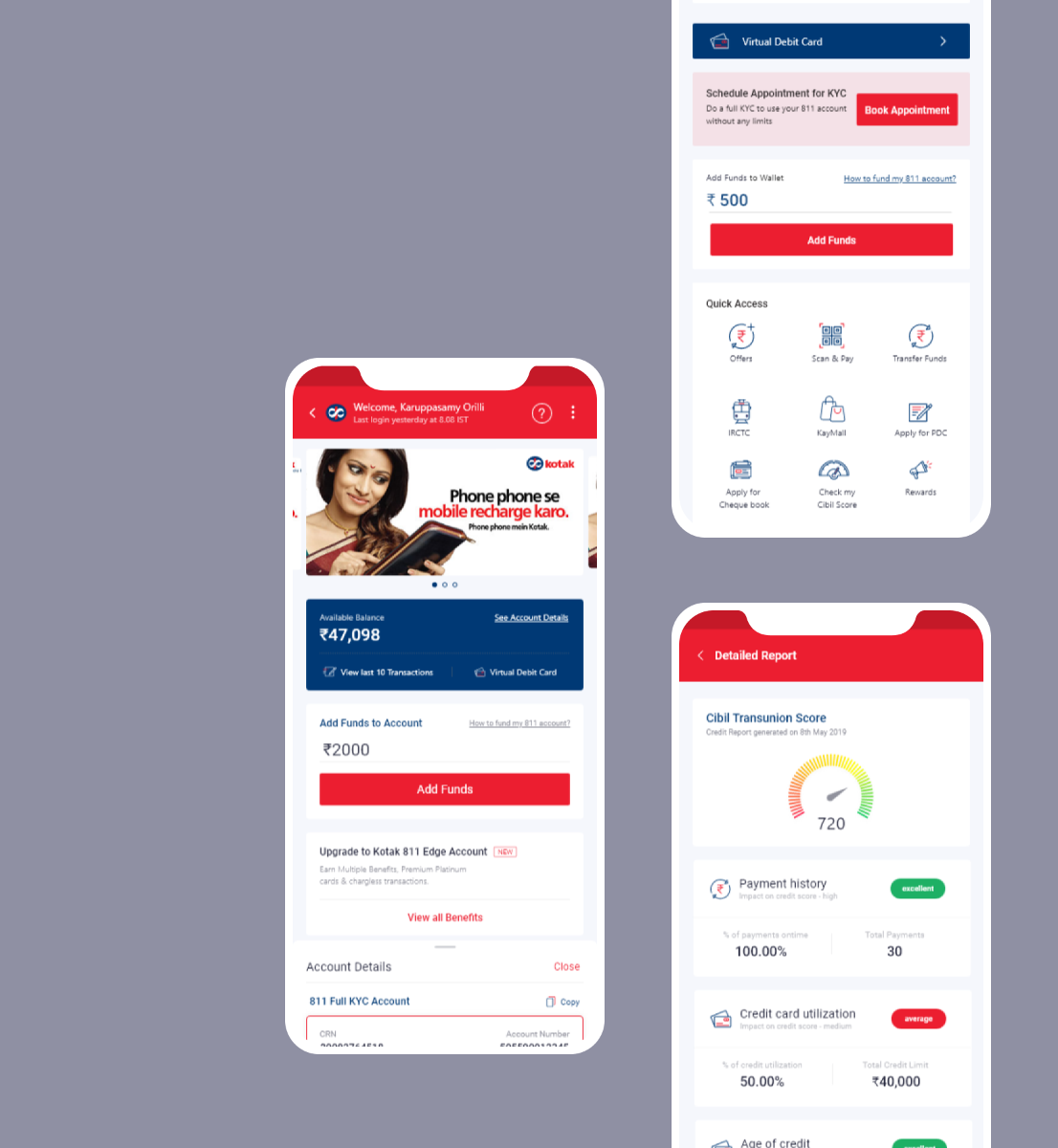
Banking and Fintech
Kotak Mahindra Bank
Designing a seamless user experience for Kotak 811 digital savings account

News and Media
News Laundry
Reader-Supported Independent News and Media Organisation

Written by the Cartoon Mango fintech engineering team, based in Bangalore and Coimbatore, India. We build payment platforms, BNPL systems, credit scoring engines, and financial applications for NBFCs, fintech startups, and enterprise clients across India.


Design for Success
AI Automation
- AI Operations
- Manufacturing AI
- Logistics AI
- Retail AI
- Finance AI
- Healthcare AI
- HR AI
Engagement
- Gamification
- Interactive Marketing