



8 Manufacturing ERP Modules
Production Planning & Control
CoreInventory & Warehouse
CorePurchase & Vendor Management
CoreQuality Management
CoreSales & Dispatch
CoreJob Work Management
India-SpecificAccounts & GST Compliance
CoreHR & Payroll (Basic)
OptionalProduction Planning & Control
MRP, capacity planning, job scheduling, work order management, and real-time shop floor tracking with operator efficiency monitoring
Tech Stack for Manufacturing ERP
| Technology | Category | Purpose |
|---|---|---|
| React.js / Next.js | Frontend | Responsive web dashboard with role-based views for management, production, and store teams |
| React Native / Flutter | Mobile App | Offline-capable mobile app for shop floor operators, storekeepers, and quality inspectors |
| Node.js / NestJS | Backend API | RESTful API layer with business logic, workflow engine, and GST computation |
| PostgreSQL | Database | Relational database for transactional data (orders, invoices, stock movements) with ACID compliance |
| Redis | Cache / Queue | Session management, real-time dashboard data, and background job queue (report generation, email) |
| Tally API / TallyPrime | Accounting Integration | Bi-directional sync with Tally for voucher push, ledger sync, and statutory compliance |
| NIC e-Invoice API | GST Compliance | E-invoicing IRN generation, e-way bill creation, and GSTN validation |
| AWS / DigitalOcean | Infrastructure | Cloud hosting with daily backups, SSL, and 99.9% uptime SLA (or on-premise option) |
Before vs After: Operational Impact
| Metric | Before (Excel/Tally) | After (Custom ERP) | Improvement |
|---|---|---|---|
| Inventory Carrying Cost | Rs 45L/year (overstocking) | Rs 28L/year | -38% |
| Production Planning Time | 8 hours/week (Excel) | 1 hour/week (MRP) | -87% |
| Order-to-Dispatch Cycle | 12 days | 7 days | -42% |
| Data Entry Duplication | 3x (Excel + Tally + WhatsApp) | 1x (single entry) | -67% |
| Material Wastage | 6.5% of raw material cost | 3.2% | -51% |
| Purchase Cost Savings | No vendor comparison | 8-12% savings via RFQ | +10% |
| Quality Rejection Rate | 5.5% (late detection) | 2.1% (early detection) | -62% |
| Monthly Closing Time | 15 days | 3 days | -80% |
Cost Breakdown by SME Size
| Tier | SME Size | Cost | Modules Included | Timeline |
|---|---|---|---|---|
| Basic ERP (Core Modules) | Rs 5-25 Cr revenue SME | Rs 15-30 Lakh | Inventory, Production (BOM, work orders), Purchase, Sales, Basic Accounts/Tally integration, GST compliance | 14-16 weeks |
| Mid-Range ERP | Rs 25-100 Cr revenue | Rs 30-70 Lakh | All basic + Quality, HR/Payroll, Job Work, Mobile App, Advanced Reporting, Multi-location support | 18-22 weeks |
| Enterprise ERP | Rs 100+ Cr / Multi-plant | Rs 70L - 2 Crore | All mid-range + IoT integration, BI dashboards, AI demand forecasting, Multi-company consolidation | 24-32 weeks |
| Annual Maintenance | Any | Rs 2-6L/year | Bug fixes, GST/compliance updates, minor enhancements, server monitoring, support SLA | Ongoing |
Custom ERP vs SAP B1 vs ERPNext vs Tally
| Feature | Cartoon Mango (Custom) | SAP Business One | ERPNext | Tally Prime |
|---|---|---|---|---|
| Indian Manufacturing Fit | Built for Indian job shop, BOM, job work, GST | Global design, needs India customization | Decent India base, limited manufacturing depth | Accounting only, no manufacturing |
| GST Compliance Depth | E-invoicing, e-way bill, RCM, job work GST, TDS, ITC tracking | Good GST, expensive add-ons | Basic GST, e-invoicing available | Strong GST in accounting, no operational link |
| Job Work Management | Full challan tracking, process costing, sub-contractor management | Subcontracting module (complex setup) | Basic subcontracting | Not available |
| Shop Floor Tracking | Real-time operator/machine tracking, mobile app, IoT-ready | Available with MES add-on (extra cost) | Basic workstation tracking | Not available |
| Mobile App (Offline) | Fully offline-capable for shop floor, store, QC | Limited mobile, no offline | Mobile app (limited offline) | No mobile |
| Total Cost (Year 1) | Rs 15-70L (one-time, you own it) | Rs 25-60L (license + implementation + AMC) | Rs 8-20L (customization + hosting) | Rs 50K-2L (accounting only) |
| Implementation Time | 16-20 weeks (phased) | 6-12 months | 8-16 weeks | 2-4 weeks (accounting only) |
| Customization Freedom | 100% — built to your exact workflow | Limited without expensive consultants | Open source but complex to customize deeply | Minimal customization |
20-Week Implementation Roadmap
Business Process Mapping & Design
- Map current workflows (production, purchase, inventory, sales, accounts)
- Identify pain points and automation opportunities
- Define module priority and go-live sequence
- Design database schema and user role matrix
- UI/UX wireframes for key screens (production dashboard, stock, PO)
Core Module Development
- Build inventory management (multi-warehouse, batch tracking, barcode)
- Build BOM management and production order module
- Build purchase module (indent → RFQ → PO → GRN)
- Build sales module (quotation → SO → invoice → dispatch)
- Implement role-based access control and approval workflows
Accounting, GST & Integration
- Build accounting module or Tally bi-directional integration
- Implement GST computation (CGST/SGST/IGST, RCM, ITC)
- E-invoicing integration with NIC API
- E-way bill auto-generation
- Bank payment integration and reconciliation
Quality, Job Work & Mobile App
- Build quality management module (incoming, in-process, final QC)
- Build job work challan management and sub-contractor tracking
- Develop mobile app for shop floor, store, and QC operations
- Build management dashboards and MIS reports
- Performance optimization and security audit
Data Migration, Training & Go-Live
- Migrate masters from Excel/Tally (items, vendors, customers, BOM)
- Import opening balances and validate against Tally
- Parallel run (2-4 weeks) — ERP alongside existing system
- User training for all departments (production, store, purchase, accounts)
- Go-live with post-launch support and optimization
Get a Free ERP Needs Assessment
We will map your manufacturing workflows, identify automation opportunities, compare custom vs off-the-shelf options for your specific needs, and provide a detailed ERP roadmap — free of charge.
Book Free AssessmentRelated Services
Related Insights
Frequently Asked Questions
Common questions about AI automation for custom ERP for Indian manufacturing SMEs
What is a custom ERP for manufacturing SMEs?
A custom ERP (Enterprise Resource Planning) is a software system built specifically for your manufacturing operations — covering production planning, inventory management, purchase orders, quality control, shop floor tracking, and financial accounting in one integrated platform. Unlike generic ERPs (Tally, SAP B1) that force you to adapt your workflow to their software, a custom ERP is designed around how your factory actually operates. For Indian manufacturing SMEs doing Rs 5-100 crore revenue, custom ERPs eliminate the spreadsheet chaos, WhatsApp-based order tracking, and disconnected Tally entries that cause 15-25% operational inefficiency.

How much does a custom manufacturing ERP cost in India?

Custom ERP vs SAP Business One vs ERPNext — which is best for Indian SMEs?
How long does it take to build a custom manufacturing ERP?
Can the custom ERP integrate with Tally for accounting?
What manufacturing-specific modules does the ERP include?
How does the ERP handle GST compliance for manufacturers?
Can the ERP work on mobile for shop floor workers?
How do you handle data migration from Excel and Tally?
What reports and dashboards does the ERP provide?
Is the ERP suitable for job shop and made-to-order manufacturing?
What kind of support and maintenance is provided after go-live?
Want to See What We Build with Custom Manufacturing ERP System?
Get a free consultation and discover how we can turn your idea into a production-ready application. Our team will review your requirements and provide a detailed roadmap.
- Free project assessment
- Timeline & cost estimate
- Portfolio of similar projects
Your information is secure. We never share your data.
We Have Delivered 100+ Digital Products


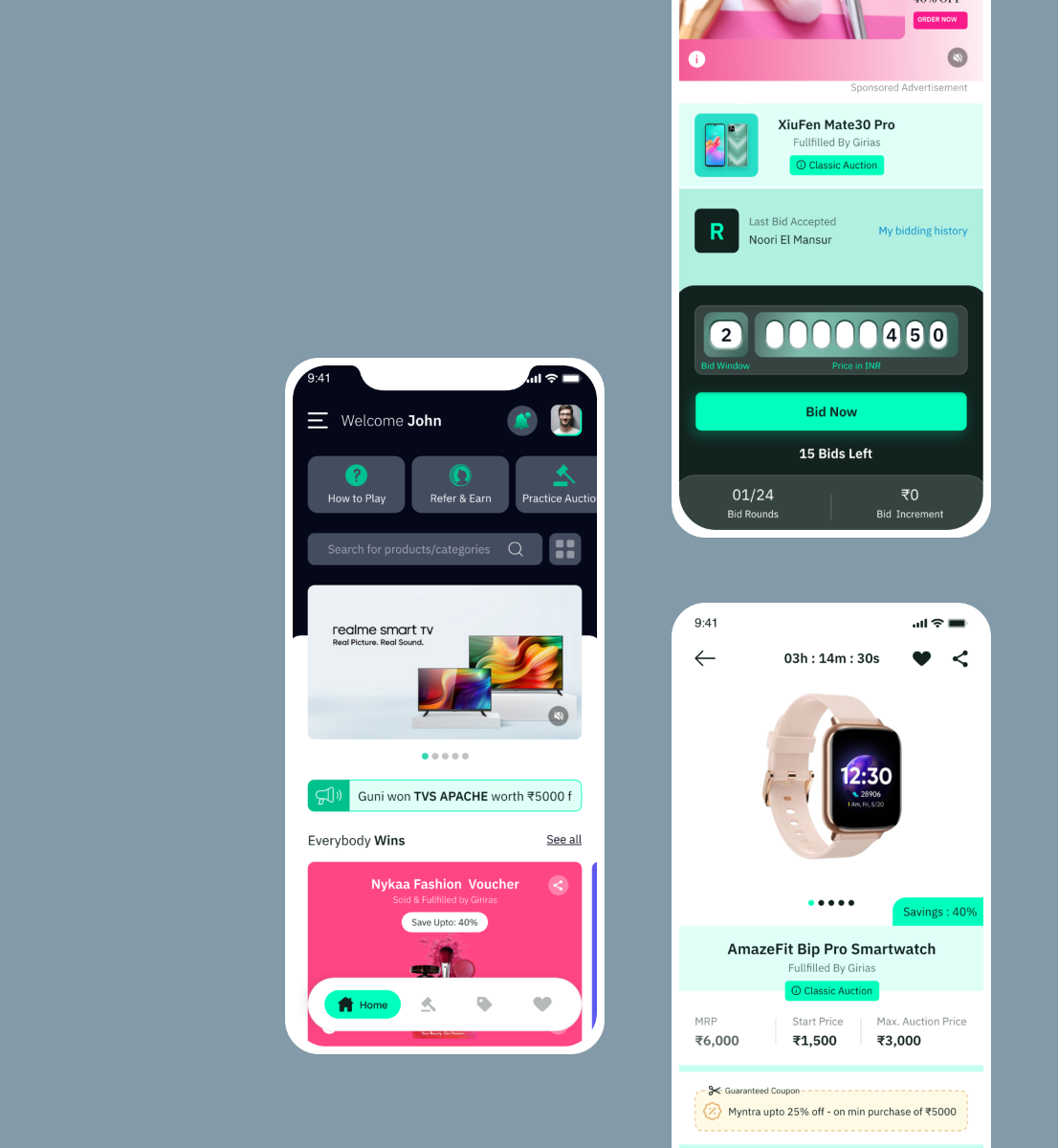
Sports and Gaming
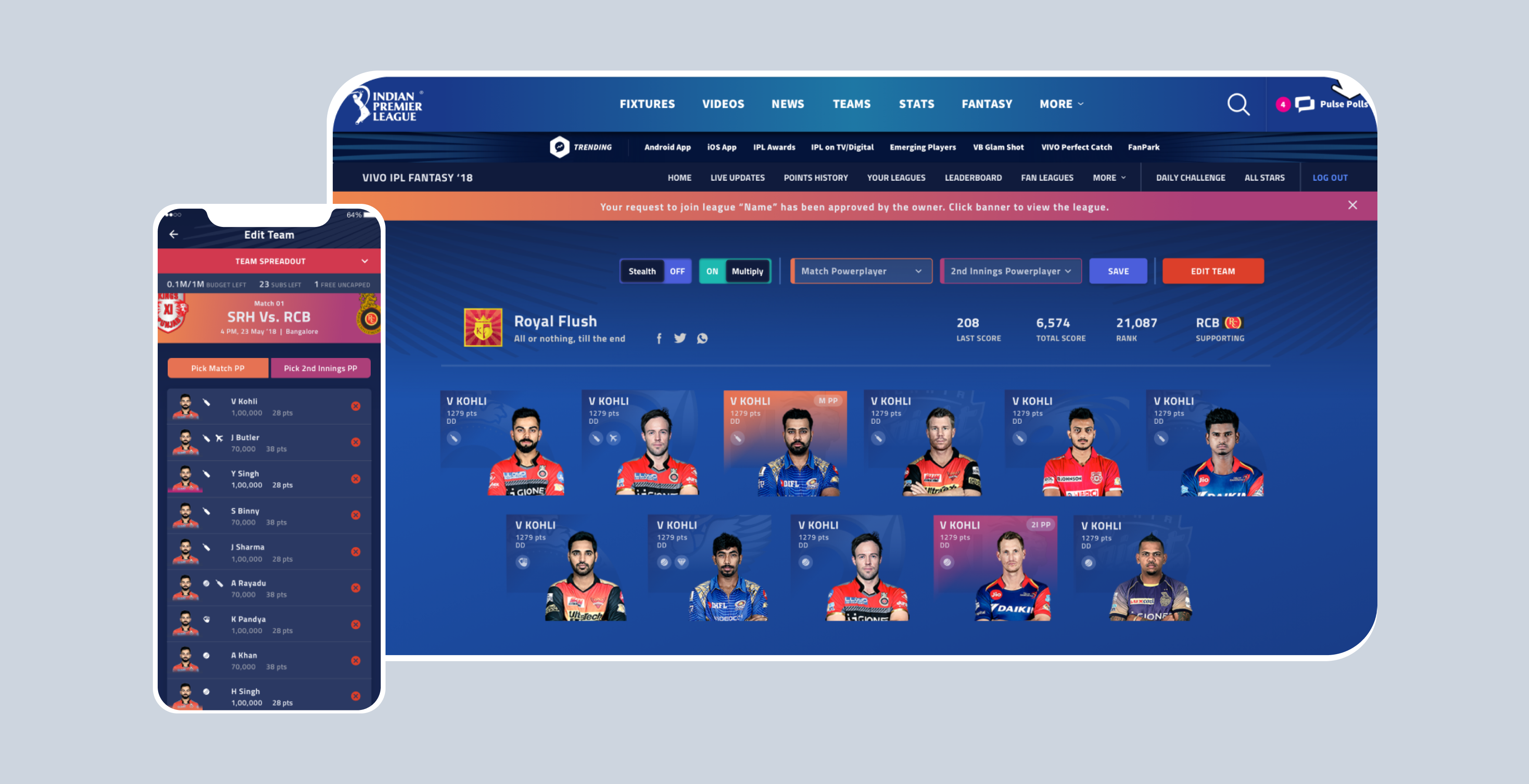
IPL Fantasy League
Innovation and Development Partners for BCCI's official Fantasy Gaming Platform
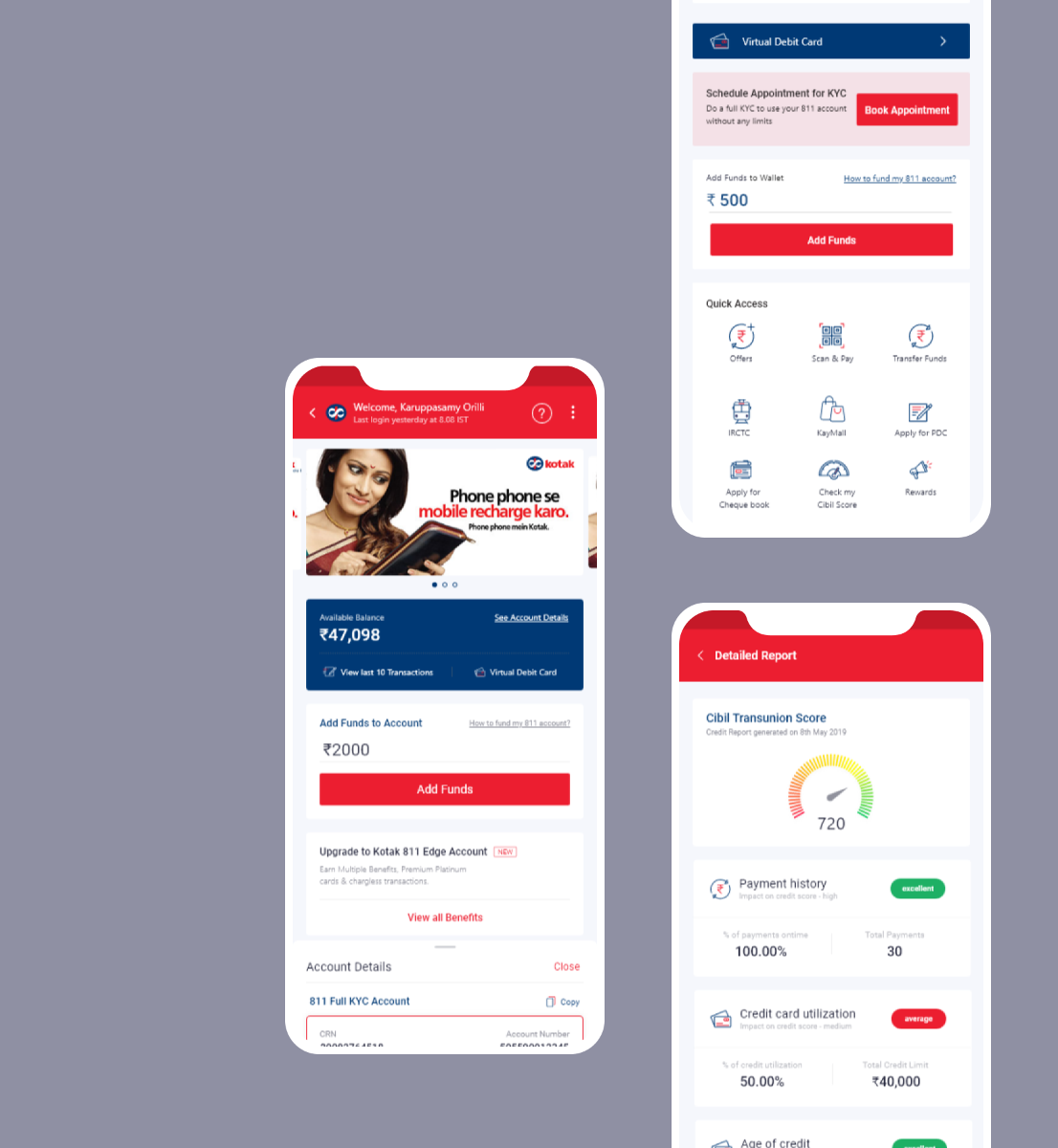
Banking and Fintech
Kotak Mahindra Bank
Designing a seamless user experience for Kotak 811 digital savings account

News and Media
News Laundry
Reader-Supported Independent News and Media Organisation

Written by the Cartoon Mango engineering team, based in Bangalore and Coimbatore, India. We build custom ERP systems, manufacturing software, inventory management platforms, and enterprise applications for Indian SMEs across automotive, pharma, textile, and engineering sectors.


Design for Success
AI Automation
- AI Operations
- Manufacturing AI
- Logistics AI
- Retail AI
- Finance AI
- Healthcare AI
- HR AI
Engagement
- Gamification
- Interactive Marketing