




Why We Built Our LED Scoreboard Platform with Rust
Most stadium control software is built on Java, C#, or PHP — languages designed for business applications, not real-time display systems. Here's why Rust changes everything for sports venue technology:
Zero-Cost Performance
Rust compiles to native machine code with no runtime overhead. Score updates propagate in under 8ms — fast enough that the LED refresh is the bottleneck, not the software.
Memory Safety Without GC
Rust's ownership model guarantees memory safety at compile time. No garbage collector means zero unpredictable pauses during a penalty shootout or final over.
Fearless Concurrency
Rust's type system prevents data races at compile time. Run 10,000+ async tasks (one per display) without thread-safety bugs that plague C++ stadium systems.
Tiny Resource Footprint
15MB binary vs 150MB+ for Java/JVM solutions. Runs on a $200 Intel NUC at the venue — no expensive server racks needed for most installations.
async fn broadcast_score_update(update: ScoreEvent, displays: &[DisplayConnection]) {
let payload = update.serialize_zero_copy();
let futures: Vec<_> = displays.iter()
.map(|d| d.send_frame(&payload))
.collect();
// Fan-out to 10,000+ displays concurrently
join_all(futures).await; // < 8ms total
}
Performance Benchmarks: Rust vs Legacy vs Web-Based
Real benchmarks comparing our Rust platform against Java/C# stadium software and Drupal/PHP-based systems:
Why Latency Matters in Stadium Displays
A 200ms delay means the crowd sees a goal on TV before the stadium scoreboard updates. A 100ms garbage collection pause causes a visible flicker on LED perimeter boards during live advertising. With Rust's zero-GC architecture, the software is never the bottleneck — only the physical LED refresh rate limits update speed.
Complete LED Scoreboard & Venue Control Feature Set
Click any feature to see the Rust engineering advantage:
Real-Time Score Engine
Sub-8ms score propagation across all displays using Rust's async runtime. Zero garbage collection pauses means no display stuttering during critical game moments.
Click to see Rust advantage
LED Perimeter Control
Unified control for single and double-sided LED advertising boards. Dynamic sponsor rotation, sun shader adjustment for outdoor venues, and real-time content switching.
Click to see Rust advantage
Multi-Sport Scoring Engine
Built-in scoring logic for 15+ sports with configurable rules. Switch between cricket, football, basketball, and more without software restart.
Click to see Rust advantage
Graphics & Animation Engine
Real-time 2D/3D graphics rendering for player introductions, stat overlays, sponsor animations, and celebration effects. WYSIWYG editor for operators.
Click to see Rust advantage
Unified Venue Dashboard
Single operator interface controlling scoreboards, video walls, LED perimeters, lighting, audio, and IPTV. Drag-and-drop layout configuration.
Click to see Rust advantage
Hardware Abstraction Layer
Protocol adapters for DMX512, NDI, MIDI, RS-485, and Ethernet. Works with Daktronics, Nevco, Bodet, and generic LED controllers. No vendor lock-in.
Click to see Rust advantage
Open REST & WebSocket API
Full API access for third-party integrations: mobile apps, betting feeds, broadcast systems, social media, and custom analytics dashboards.
Click to see Rust advantage
Failover & Redundancy
Hot-standby server architecture with sub-500ms automatic failover. No single point of failure. Designed for 99.99% uptime during live events.
Click to see Rust advantage
Sport-Specific Scoring Modules
Each sport has unique scoring rules, timer formats, and display layouts. Our platform includes dedicated modules:
Football (Soccer)
Global — FIFA, Premier League, La Liga, ISL, I-League- Running clock with injury time
- VAR decision display integration
- Formation and tactical overlays
- Live possession and pass stats
- Goal celebration LED sequences
AI-Powered Features: The Future of Venue Control
Six AI modules plugged into the Rust core — all running inference in real-time without external API calls:
AI Highlight Detection
Computer vision model trained on 50,000+ sports events detects goals, wickets, slam dunks, and key moments within 200ms. Automatically triggers instant replay, LED celebration sequences, and social media clips.
Eliminates manual replay operators — saves $2,000-5,000 per event
Crowd Sentiment Analysis
Audio analysis model processes ambient stadium sound in real-time to gauge crowd energy on a 0-100 scale. Triggers dynamic LED effects, music intensity adjustments, and engagement prompts during low-energy moments.
20-30% increase in measured fan engagement at pilot venues
Predictive Content Scheduling
ML model learns optimal timing for sponsor content, replays, and engagement prompts based on game state, score differential, and historical attention data. Maximises sponsor impression value.
15-25% increase in sponsor impression value per match
Automated Graphics Generation
Generative AI creates context-aware graphics for player stats, match milestones, and social media walls. No manual graphic design needed during live events.
Reduces pre-match graphics prep from 8 hours to 30 minutes
Player Tracking Overlay
Computer vision processes broadcast camera feeds to track player positions and generate real-time tactical overlays, heatmaps, and movement visualisations on LED displays.
Previously only available to Tier 1 broadcasts costing $50K+ per match
Predictive Hardware Maintenance
IoT sensor data from LED panels, controllers, and networking equipment fed into anomaly detection model. Predicts hardware failures 24-48 hours before they occur.
Reduces unplanned hardware downtime by 85%
System Architecture: How It All Connects
Four-layer microservices architecture with Rust at every performance-critical layer:
How We Compare: Cartoon Mango vs GoalSport vs Daktronics vs ScoreVision
An honest, feature-by-feature comparison of the leading LED scoreboard and venue control platforms:
| Feature | Cartoon Mango | GoalSport | Daktronics | ScoreVision |
|---|---|---|---|---|
| Core Technology | Rust (2024 architecture) | Drupal/PHP (legacy) | C++ / Venus Suite | Cloud / Mobile App |
| Real-Time Latency | < 8ms | 200-500ms | 15-50ms | 100-300ms |
| AI Integration | 6 built-in AI modules | None | Limited (Show Control) | Basic analytics |
| Hardware Agnostic | Yes (open protocols) | Partial | No (proprietary HW) | Yes (iPad-based) |
| Multi-Sport Support | 15+ sports | Football + 5 sports | 10+ sports | US sports focused |
| Open API | REST + WebSocket + GraphQL | Limited | Proprietary SDK | Basic REST |
| LED Perimeter Control | Yes (single + double) | Yes | Yes (proprietary) | No |
| VAR / Video Review | API integration ready | FIFA-certified GS VAR | Third-party | No |
| Deployment Model | On-premise + Cloud hybrid | On-premise only | On-premise only | Cloud only |
| Pricing | 40-60% lower (India) | Enterprise EU rates | Bundled with HW | SaaS subscription |
Fair Note on GoalSport
GoalSport's GS VAR system carries official FIFA certification — a significant credential for top-tier football leagues. Their 18+ years of stadium deployments (Tottenham Hotspur, Manchester United, Juventus) represent proven reliability. Our platform offers API-ready VAR integration and focuses on modern architecture, AI capabilities, and cost efficiency for the broader sports venue market.
Cost Comparison: India-Based vs European vs US Vendors
Software licensing costs by venue tier (excludes LED hardware, which is sourced separately):
India Engineering Advantage
Our engineering teams in Bangalore and Coimbatore build the same Rust-based systems at 40-60% lower cost. This makes enterprise-grade venue control accessible to professional leagues in Asia, Middle East, and Africa — markets that are priced out by European and US vendors. The technology is identical; the economics are dramatically different.
12-Week Implementation Timeline
From venue audit to go-live — a phased approach that minimises disruption to existing operations:
Venue Audit & Requirements
- Survey existing LED hardware, controllers, and cabling
- Document sports to be supported and scoring rules
- Assess network infrastructure and bandwidth capacity
- Define sponsor and advertising content workflow
Software Configuration & Sport Modules
- Configure multi-sport scoring engine with venue rules
- Set up operator dashboard with venue layout mapping
- Import sponsor assets and configure ad rotation schedules
- Build custom graphics templates for venue branding
Hardware Integration & Testing
- Install hardware abstraction layer drivers
- Connect and test each display zone (scoreboard, perimeter, video wall)
- Integrate lighting and audio control systems
- End-to-end latency testing under simulated match conditions
AI Module Training & Calibration
- Calibrate camera feeds for player tracking model
- Train crowd sentiment model on venue acoustics
- Configure automated highlight detection thresholds
- Set up predictive content scheduling with historical data
Training, Trials & Go-Live
- Operator training sessions (primary + backup staff)
- Simulated match-day dry run with full system load
- Live event trial with parallel backup system
- Post-event review and final adjustments
Case Study: Multi-Sport Arena in Bangalore
The Challenge
A newly built multi-sport arena in Bangalore needed a single platform to control 15 LED display zones — main scoreboard, 4 video walls, 6 LED perimeter boards, and 4 IPTV feeds — across cricket, football, and kabaddi events. Previous quotes from European vendors ranged from $180,000-$250,000 with 6-month timelines.
What We Delivered
Complete Rust-based venue control platform with 3 sport modules, AI highlight detection for cricket and football, crowd sentiment-driven LED effects, and predictive sponsor content scheduling. Integrated with existing Chinese LED panels via RS-485 and NDI protocols.
Ready to Modernise Your Stadium Technology?
Get a free venue assessment from our engineering team. We'll audit your existing hardware, recommend the right configuration, and provide a detailed cost estimate.
Get Free Venue AssessmentRelated Resources
Frequently Asked Questions
Common questions about AI automation for LED scoreboard and venue control software
What is LED scoreboard software and how does it work?
LED scoreboard software is a platform that controls digital scoreboards, LED perimeter displays, video walls, and venue lighting in sports stadiums. It receives real-time game data (scores, timers, player stats) via hardware integrations or APIs, processes the information, and renders it on LED displays. Modern platforms use WebSocket connections for sub-10ms latency updates, support multiple sports simultaneously, and integrate AI for automated graphics, fan engagement, and analytics.

Why is Rust the best programming language for scoreboard software?

How much does LED scoreboard software cost?
What sports does LED scoreboard software support?
How does AI improve LED scoreboard and venue control systems?
What is the difference between venue control software and scoreboard software?
How does Cartoon Mango compare to GoalSport, Daktronics, and ScoreVision?
Can scoreboard software integrate with existing stadium hardware?
How long does it take to implement LED scoreboard software in a stadium?
What are real-time performance requirements for sports scoreboard software?
Is open-source scoreboard software viable for professional venues?
What is the future of AI in sports venue technology?
Want to See What We Build with Rust LED Scoreboard Platform?
Get a free consultation and discover how we can turn your idea into a production-ready application. Our team will review your requirements and provide a detailed roadmap.
- Free project assessment
- Timeline & cost estimate
- Portfolio of similar projects
Your information is secure. We never share your data.
Related Services
We Have Delivered 100+ Digital Products



Sports and Gaming
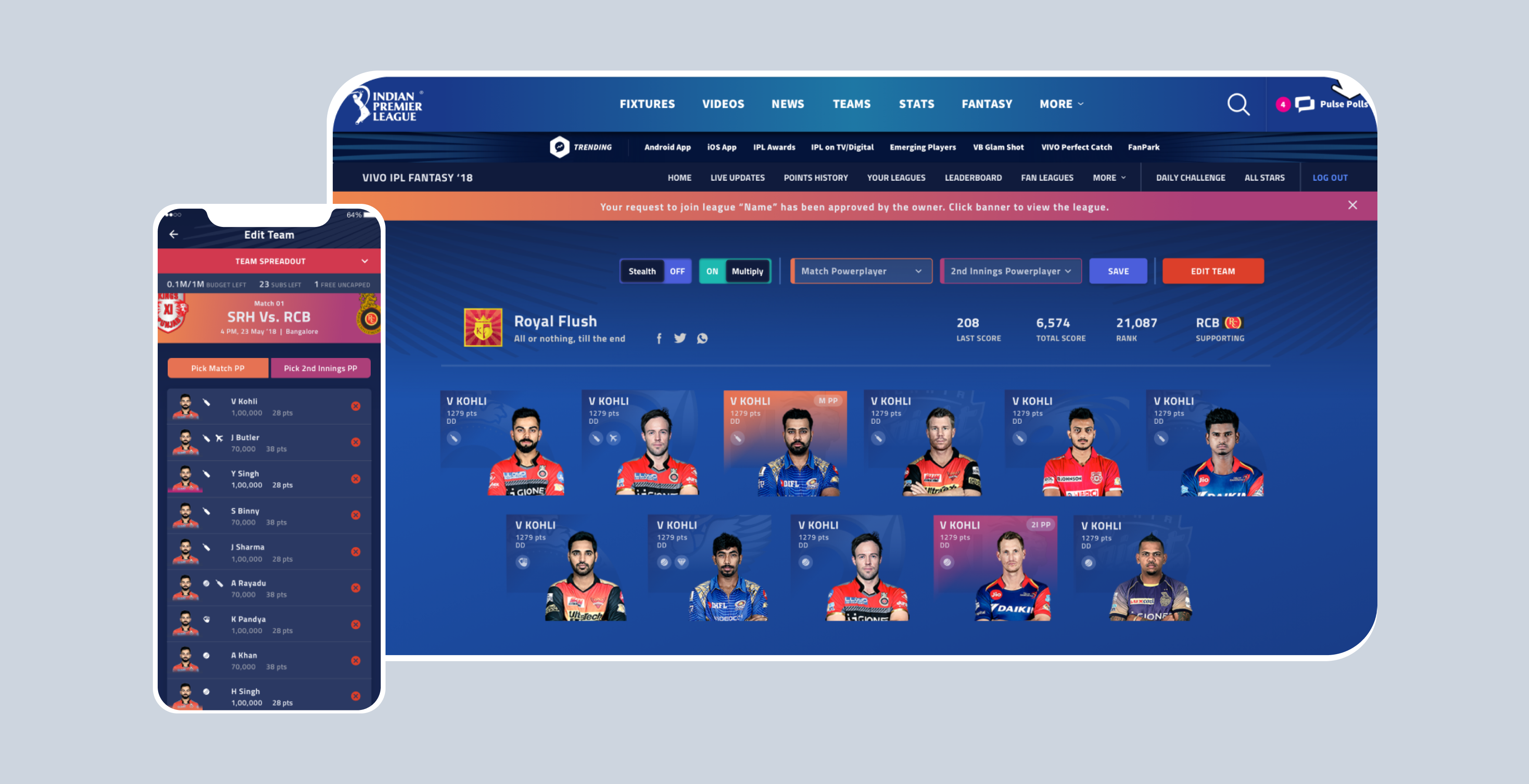
IPL Fantasy League
Innovation and Development Partners for BCCI's official Fantasy Gaming Platform
Banking and Fintech
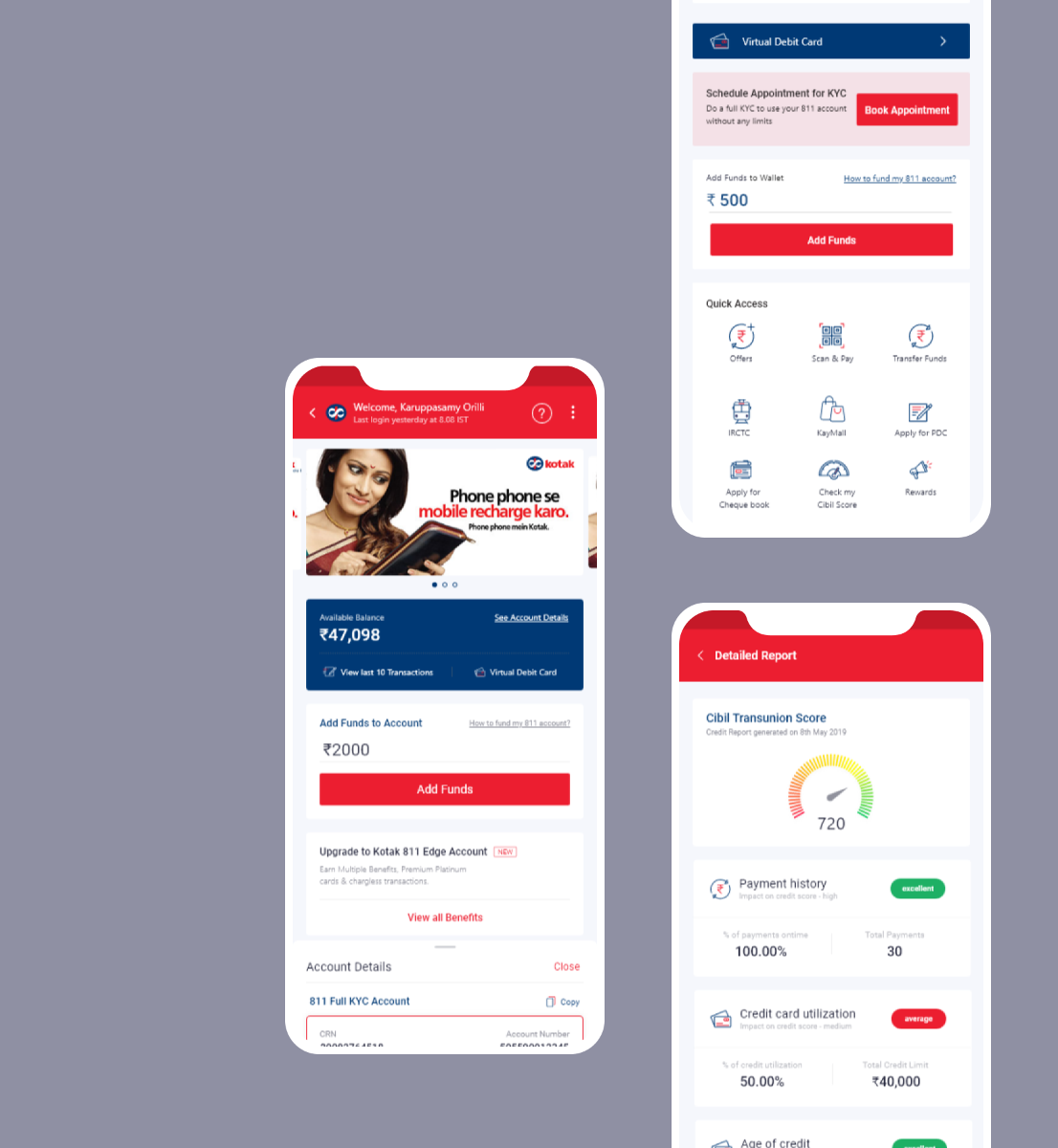
Kotak Mahindra Bank
Designing a seamless user experience for Kotak 811 digital savings account

News and Media
News Laundry
Reader-Supported Independent News and Media Organisation

Written by the Cartoon Mango engineering team, based in Bangalore and Coimbatore, India. We build real-time systems with Rust for sports venues, gaming platforms, and enterprise clients across 15+ countries. Our LED scoreboard and venue control platform powers multi-sport arenas from community stadiums to professional league venues.


Design for Success
AI Automation
- AI Operations
- Manufacturing AI
- Logistics AI
- Retail AI
- Finance AI
- Healthcare AI
- HR AI
Engagement
- Gamification
- Interactive Marketing