

Loading
Cartoon MangoCartoon Mango
Contact Us
NEXT.JSSEO & PERFORMANCE22 MIN READFEB 2026

How to Build SEO-Optimized Websites with Next.js: Complete Implementation Guide

Quick Answer

Next.js websites consistently score 95+ on Core Web Vitals and rank 40% faster than equivalent single-page applications. The framework provides SSR, SSG, and ISR out of the box, giving search engine crawlers fully rendered HTML. Development costs range from Rs 5 lakh to Rs 60 lakh depending on scope, with a typical implementation taking 10 weeks from SEO audit to production launch.

Google now uses Core Web Vitals as a direct ranking signal, and Indian businesses competing on Google.co.in cannot afford slow, JavaScript-heavy websites. This guide covers every aspect of Next.js SEO implementation — rendering strategies (SSR, SSG, ISR), structured data with JSON-LD, meta tag automation, sitemap generation, image and font optimization, and performance techniques that work specifically for Indian audiences on Jio and Airtel networks. Based on 30+ Next.js projects delivered from our Bangalore and Coimbatore offices.

95+
Core Web Vitals Score
40%
Faster Ranking vs SPA
Rs 5-30L
Typical Project Cost
10 Weeks
Audit to Production
Rendering

SSG vs SSR vs ISR vs CSR: Choosing the Right Strategy

Static Site Generation (SSG)

Pages are pre-rendered at build time into static HTML files. Served directly from CDN with zero server processing per request. Fastest possible page load times.

SEO IMPACT
Best — instant indexing, fastest TTFB, perfect for crawlers
PERFORMANCE
LCP under 1s, TTFB under 100ms from CDN edge
BEST FOR
Blog posts, marketing pages, documentation, landing pages
EXAMPLES
Company website, blog, pricing page, documentation site
Checklist

Complete Next.js SEO Checklist (8 Categories)

Meta Tags

Critical Priority

Impact: Direct ranking factor

  • Unique title tag per page (50-60 characters)
  • Meta description with target keyword (150-160 characters)
  • Canonical URL on every page to prevent duplicate content
  • Open Graph tags: og:title, og:description, og:image (1200x630)
  • Twitter Card tags: twitter:card, twitter:title, twitter:image
  • Viewport meta tag for mobile responsiveness
Vitals

Core Web Vitals Optimization with Next.js

LCP< 2.5 seconds
Largest Contentful Paint

Use next/image with priority prop for hero images, preload fonts with next/font, serve pages via SSG or ISR from CDN edge nodes

Tools: PageSpeed Insights, Chrome DevTools, web-vitals library
INP< 200 milliseconds
Interaction to Next Paint

Use React Server Components to reduce client-side JavaScript by 30-50%, implement streaming SSR with Suspense boundaries, lazy-load interactive widgets

Tools: Chrome DevTools Performance tab, web-vitals library, CrUX dashboard
CLS< 0.1
Cumulative Layout Shift

Always set explicit width and height on next/image, use font-display swap via next/font, reserve space for ads and dynamic content with CSS aspect-ratio

Tools: PageSpeed Insights, Layout Shift Debugger, web-vitals library
FCP< 1.8 seconds
First Contentful Paint

Use SSR or SSG to send pre-rendered HTML, inline critical CSS automatically (Next.js default), eliminate render-blocking resources with next/script strategy

Tools: Lighthouse, WebPageTest, Chrome UX Report
TTFB< 0.8 seconds
Time to First Byte

Deploy to Vercel Edge Network or AWS CloudFront with India PoPs (Mumbai, Chennai), use ISR to serve cached static pages, implement edge middleware for geo-routing

Tools: WebPageTest, curl timing, Vercel Analytics
TBT< 200 milliseconds
Total Blocking Time

Code split with next/dynamic and React.lazy, defer non-critical scripts with next/script strategy lazyOnload, reduce third-party script impact with web workers

Tools: Lighthouse, Chrome DevTools Performance tab, Bundlephobia
Performance

8 Performance Techniques for Next.js Websites

Image Optimization with next/image

Automatic WebP/AVIF conversion, responsive srcset generation, lazy loading, and blur placeholder. Reduces image payload by 30-50% without manual optimization.

IMPACT
LCP improvement of 40-60%, bandwidth savings of 30-50% on Indian mobile networks
Replace all img tags with next/image, set width/height, add priority to LCP image, configure domains in next.config.js

Font Optimization with next/font

Self-hosts Google Fonts or local fonts with zero layout shift. Automatically applies font-display swap and generates optimal font subsets.

IMPACT
Eliminates CLS from font loading, reduces FOUT, saves 100-300ms on initial render
Import from next/font/google or next/font/local, apply to layout component, remove external font stylesheet links

Script Loading Strategy

The next/script component supports beforeInteractive, afterInteractive, lazyOnload, and worker strategies. Controls when third-party scripts load relative to page hydration.

IMPACT
Reduces TBT by 30-50% by deferring analytics, chat widgets, and ad scripts
Wrap third-party scripts in next/script with strategy prop, use lazyOnload for non-critical scripts like analytics

Route Prefetching

Next.js Link component automatically prefetches linked pages when they enter the viewport. Subsequent navigations feel instant with zero loading time.

IMPACT
Sub-100ms page transitions, improved user engagement and lower bounce rate
Use Link component instead of anchor tags, set prefetch=false for low-priority links to save bandwidth

Dynamic Imports with next/dynamic

Code split heavy components like charts, maps, editors, and modals. Components load only when needed, reducing initial JavaScript bundle size.

IMPACT
Reduces initial JS bundle by 20-40%, improves FCP and TTI significantly
Import components with next/dynamic, add loading placeholder, use ssr:false for browser-only components like maps

Edge Middleware

Run lightweight code at the CDN edge before the request reaches your server. Handle geolocation redirects, A/B testing, bot detection, and authentication checks.

IMPACT
Sub-50ms response for redirects and rewrites, no origin server round-trip
Create middleware.ts in project root, use NextResponse.redirect or rewrite, configure matcher for target routes

Streaming SSR with React Suspense

Send HTML in chunks as data becomes available instead of waiting for the entire page to render. Users see content progressively, improving perceived performance.

IMPACT
50% faster TTFB for data-heavy pages, improved perceived load time
Use loading.js in App Router, wrap async components with Suspense boundaries, implement streaming with generateMetadata

Static Export for Maximum Speed

Generate a fully static site with next export for maximum CDN performance. No server required — deploy to any static hosting provider or S3 bucket.

IMPACT
Near-zero TTFB from CDN, lowest possible hosting cost, works offline with service worker
Set output: export in next.config.js, ensure no server-side features (API routes, SSR), deploy to Vercel, Netlify, or S3+CloudFront
Comparison

Next.js vs WordPress vs Gatsby vs SPA for SEO

FeatureNext.jsWordPressGatsbySPA (React/Vue)
SEO Out-of-BoxExcellent — SSR, SSG, ISR, meta tags, structured data, sitemapGood with plugins (Yoast/RankMath) but heavy plugin dependencyGood — SSG focused, but no SSR or ISR without workaroundsPoor — requires prerendering or SSR setup from scratch
Core Web Vitals Score95-100 (optimized by default)40-70 (depends on theme and plugins)85-95 (static-only is fast but build times scale poorly)30-60 (client-side rendering bottleneck)
Build Time at Scale (10K pages)Fast with ISR (only changed pages rebuild)N/A (no build step, but slow page loads)Slow (full rebuild for every change, 10-30 min)Fast build but poor SEO without SSR layer
Developer ExperienceExcellent — TypeScript, file-based routing, API routes, hot reloadLimited — PHP, theme/plugin conflicts, security patchesGood but complex GraphQL data layer and plugin ecosystemGood for developers but requires manual SEO infrastructure
Hosting Cost (India)Rs 0-5K/mo (Vercel free tier, AWS Mumbai)Rs 2-10K/mo (shared hosting to managed WP)Rs 0-3K/mo (Netlify/Vercel static hosting)Rs 1-5K/mo (static hosting + API server)
CMS FlexibilityAny headless CMS (Sanity, Strapi, WordPress, Contentful)Built-in CMS, massive plugin ecosystemAny headless CMS via GraphQL pluginsAny headless CMS via REST/GraphQL
Dynamic ContentFull support — SSR, ISR, API routes, middlewareFull support but performance degrades under loadLimited — primarily static, needs external APIs for dynamicFull support but SEO requires additional infrastructure
Indian Hosting OptionsVercel Edge (India PoP), AWS Mumbai, DigitalOcean BangaloreSiteGround, Bluehost, AWS Lightsail, Indian hostsVercel, Netlify, AWS S3+CloudFront MumbaiAny static host + API server in Mumbai region
Pricing

Next.js SEO Website Development Cost (India 2026)

TierScopeCostIncludesTimeline
Marketing / Blog Site10-50 pagesRs 5-12 LakhSSG pages, blog with MDX or headless CMS, structured data (Organization, Article, FAQ), XML sitemap, meta tag system, Core Web Vitals optimization, responsive design4-6 weeks
E-commerce / Catalog50-5000 productsRs 12-30 LakhISR product pages, Product schema with price and availability, faceted search with SEO-friendly URLs, dynamic meta tags, category and filter pages, UPI/Razorpay integration, admin panel8-12 weeks
Enterprise PlatformMulti-module, i18nRs 30-60 LakhMulti-language (Hindi, Tamil, Kannada) with hreflang, programmatic SEO for 10K+ pages, headless CMS integration (Sanity/Strapi), custom analytics dashboard, edge middleware, A/B testing infrastructure12-16 weeks
MaintenanceOngoingRs 8-30K/monthHosting and CDN management, Core Web Vitals monitoring and optimization, content updates and new page deployment, security patches, Next.js version upgrades, Google Search Console monitoringOngoing

India Advantage: Indian Next.js development costs are 60-70% lower than US/UK agencies. Our teams in Bangalore and Coimbatore deliver production-grade Next.js sites with the same Core Web Vitals scores as Silicon Valley agencies, deployed on AWS Mumbai or Vercel Edge India for optimal TTFB across the Indian subcontinent.

Timeline

10-Week Implementation Roadmap

Week 1

SEO Audit and Architecture

  • Crawl existing site with Screaming Frog or Ahrefs for URL inventory
  • Audit current Core Web Vitals scores and identify bottlenecks
  • Define URL structure, routing strategy, and 301 redirect map
  • Select rendering strategy per page type (SSG, SSR, ISR, CSR)
SEO audit report with baseline metricsURL mapping and redirect planTechnical architecture document
Weeks 2-3

SEO Foundation and Meta System

  • Set up Next.js project with TypeScript and App Router
  • Build reusable SEO component with meta tags, OG, and Twitter cards
  • Implement JSON-LD structured data components (Organization, Article, FAQ)
  • Configure sitemap.ts, robots.txt, and canonical URL logic
Working Next.js project with SEO infrastructureReusable meta tag and schema componentsAutomated sitemap and robots.txt generation
Weeks 4-6

Content Pages and Structured Data

  • Build all page templates with proper heading hierarchy (H1-H4)
  • Integrate headless CMS (Sanity, Strapi, or WordPress) for content management
  • Implement BreadcrumbList, Product, HowTo schemas per page type
  • Build internal linking system with related content recommendations
All content pages with structured dataCMS integration with preview modeInternal linking and breadcrumb system
Weeks 7-8

Performance Optimization

  • Optimize images with next/image, configure WebP/AVIF delivery
  • Implement next/font for zero-CLS font loading
  • Code split heavy components with next/dynamic
  • Configure edge caching, CDN rules, and ISR revalidation intervals
Core Web Vitals scores 95+ across all pagesBundle size report and optimization logPerformance monitoring dashboard
Weeks 9-10

Launch, Monitoring, and Iteration

  • Deploy to Vercel or AWS with India edge nodes (Mumbai, Chennai)
  • Submit sitemap to Google Search Console and Bing Webmaster Tools
  • Set up rank tracking for target keywords with Ahrefs or SEMrush
  • Monitor crawl stats, indexing status, and Core Web Vitals in CrUX
Live production deploymentSearch Console and analytics configuredRank tracking and monitoring dashboard

Get Free SEO Audit and Next.js Assessment

We will audit your current website's Core Web Vitals and SEO performance, recommend a Next.js migration or build strategy, estimate costs and timeline, and deliver a custom roadmap for ranking improvement — free of charge.

Book Free SEO Assessment

Related Services

Application DevelopmentEnterprise App DevelopmentUX DesignBig Data and AnalyticsAI/ML Bangalore

Related Insights

SaaS MVP in 30 DaysAI App Development CostsReact Native GuideNode.js Backend GuideMobile App Guide

Frequently Asked Questions

Common questions about AI automation for Next.js SEO development for Indian businesses

  • What is the SEO advantage of using Next.js over a traditional SPA?

    Next.js provides server-side rendering (SSR) and static site generation (SSG), which means search engine crawlers receive fully rendered HTML instead of an empty JavaScript shell. Google and Bing crawlers can index SSR/SSG pages instantly, whereas SPAs built with plain React or Vue often suffer from delayed or incomplete indexing. Next.js sites consistently score 95+ on Core Web Vitals, rank 40% faster for target keywords, and achieve higher crawl efficiency. Additional SEO benefits include built-in meta tag management via next/head, automatic code splitting, image optimization via next/image, and native sitemap generation support.

    toggle
  • How much does Next.js SEO website development cost in India?

    Next.js SEO website development in India costs between Rs 5 lakh and Rs 60 lakh depending on scope. A marketing or blog site with SSG, structured data, and sitemap automation costs Rs 5-12 lakh. An e-commerce or catalog site with ISR, product schema, and dynamic meta tags costs Rs 12-30 lakh. Enterprise platforms with multi-language support, programmatic SEO pages, and headless CMS integration cost Rs 30-60 lakh. Monthly maintenance ranges from Rs 8,000 to Rs 30,000 covering hosting, performance monitoring, content updates, and Core Web Vitals optimization. Indian development rates are 60-70% lower than US/UK agencies.

    toggle
  • Next.js vs WordPress: which is better for SEO in India?

    Next.js outperforms WordPress for SEO in almost every measurable metric. Next.js sites score 95-100 on Core Web Vitals versus 40-70 for typical WordPress sites. Next.js pages load in under 1 second with SSG/ISR versus 3-5 seconds for WordPress. Next.js gives developers full control over meta tags, structured data, and crawl behavior, whereas WordPress relies on plugins like Yoast that add bloat. WordPress is easier for non-technical teams to manage content, but pairing Next.js with a headless CMS (Sanity, Strapi, or WordPress as headless backend) gives you the best of both worlds. For Indian businesses targeting Google.co.in rankings, Next.js is the clear winner because Google heavily weights Core Web Vitals in its ranking algorithm.

    toggle
  • When should I use SSR vs SSG vs ISR in Next.js?

    Use SSG (Static Site Generation) for pages that rarely change — blog posts, marketing pages, documentation, and landing pages. SSG delivers the fastest load times because pages are pre-built at compile time and served from CDN. Use SSR (Server-Side Rendering) for personalized pages, real-time data like stock prices or live scores, and pages behind authentication. SSR generates HTML on every request, so it is slower than SSG but always shows fresh data. Use ISR (Incremental Static Regeneration) for the best of both — e-commerce product pages, news articles, and catalog listings. ISR serves static pages but revalidates them in the background at intervals you define (e.g., every 60 seconds). Use CSR (Client-Side Rendering) only for authenticated dashboards and admin panels where SEO is not needed.

    toggle
  • How do I optimize Core Web Vitals in a Next.js site?

    Optimize Core Web Vitals in Next.js by targeting LCP under 2.5s (next/image with priority, next/font preloading, SSG/ISR), INP under 200ms (React Server Components, streaming SSR), and CLS under 0.1 (explicit image dimensions, font-display swap). For LCP, use SSG or ISR for static pages and preload above-the-fold images. For INP, reduce client-side JavaScript with Server Components and lazy-load non-critical components with next/dynamic. For CLS, reserve space for dynamic content. For Indian users on Jio/Airtel 4G networks, optimize TTFB by deploying to AWS Mumbai or using Vercel Edge Network with India PoPs.

    toggle
  • How do I implement structured data and schema markup in Next.js?

    Implement structured data in Next.js by adding JSON-LD scripts in next/head with dangerouslySetInnerHTML and type application/ld+json, supporting schemas like Organization, Article, FAQPage, Product, BreadcrumbList, and HowTo. FAQPage schema is especially valuable as it triggers rich snippets in Google search results. Create a reusable JsonLd component that accepts schema type and data as props. Validate your markup using Google Rich Results Test. For Indian businesses, also add LocalBusiness schema with your Bangalore or Coimbatore address for local SEO.

    toggle
  • How does Next.js handle sitemap generation automatically?

    Next.js 14+ supports automatic sitemap generation via the app/sitemap.ts file in the App Router. You export a default function that returns an array of URL objects with loc, lastModified, changeFrequency, and priority fields. For dynamic routes like blog posts or products, fetch your data from your CMS or database inside this function. For the Pages Router, use the next-sitemap package which generates sitemap.xml and robots.txt at build time. Configure it in next-sitemap.config.js with your siteUrl, changefreq, and priority settings. Submit your sitemap to Google Search Console and Bing Webmaster Tools. For large sites with 10,000+ pages, use sitemap index files that split URLs into multiple sitemaps of 50,000 URLs each.

    toggle
  • How do I manage meta tags and Open Graph data in Next.js?

    In the Pages Router, use the next/head component to add title, meta description, canonical URL, og:title, og:description, og:image, and twitter:card tags. Create a reusable SEO component that accepts title, description, and image props and renders all necessary tags. In the App Router (Next.js 14+), use the metadata export or generateMetadata function in layout.tsx or page.tsx. This approach is more type-safe and supports dynamic metadata generation. Always include: title (50-60 chars), meta description (150-160 chars), canonical URL, og:image (1200x630px), and twitter:card. For Indian multilingual sites, add hreflang tags for Hindi, Tamil, and other regional language versions.

    toggle
  • How does next/image optimize images for SEO and performance?

    The next/image component automatically converts images to WebP or AVIF format (30-50% smaller than JPEG), generates responsive srcset attributes for different screen sizes, lazy-loads images below the fold, and prevents CLS by requiring width and height props. For SEO, always add descriptive alt text to every image. Use the priority prop on the LCP image (hero image or first visible image) to preload it. Configure image domains in next.config.js for external images. For Indian users, the automatic format detection serves WebP to Chrome/Android (85% of Indian users) and AVIF to newer browsers, reducing bandwidth consumption on metered mobile connections.

    toggle
  • How do I implement internationalization and hreflang tags in Next.js?

    Next.js has built-in i18n support in next.config.js. Configure locales (en, hi, ta, kn for English, Hindi, Tamil, Kannada), set a defaultLocale, and choose between sub-path routing (/hi/about) or domain routing (hi.example.in). Next.js automatically handles locale detection based on Accept-Language header and generates hreflang tags when using the App Router metadata API. For the Pages Router, manually add hreflang link tags in next/head for each language variant. Use getStaticProps with locale parameter to fetch language-specific content. For Indian businesses, prioritize English and Hindi, then add regional languages based on your target market. Google uses hreflang tags to serve the correct language version in search results.

    toggle
  • Next.js 14 App Router vs Pages Router: which is better for SEO?

    Both routers produce identical HTML output for search engines, so SEO performance is equivalent. The App Router (introduced in Next.js 13.4, stable in 14) offers advantages: built-in metadata API with generateMetadata for dynamic meta tags, React Server Components that reduce client-side JavaScript by 30-50%, streaming SSR for faster TTFB, and native loading.js for Suspense boundaries. The Pages Router is more mature, has broader community support, and is easier for teams familiar with traditional React patterns. For new projects in 2026, use the App Router. For existing Pages Router projects, migrate incrementally — both can coexist in the same Next.js project. SEO-critical pages like landing pages and blog posts work well with either router.

    toggle
  • How do I migrate from WordPress or a SPA to Next.js without losing SEO rankings?

    Migrate from WordPress or SPA to Next.js without ranking loss by implementing 301 redirects for every URL, preserving all meta tags and structured data, and monitoring rankings for 4-6 weeks post-migration — typical timeline is 6-10 weeks. Step 1: Crawl your existing site with Screaming Frog or Ahrefs to catalog all URLs, meta tags, and internal links. Step 2: Map every old URL to its new Next.js equivalent and implement 301 redirects in next.config.js or middleware. Step 3: Preserve all existing meta titles, descriptions, and structured data. Step 4: Submit the new sitemap to Google Search Console. Step 5: Monitor rankings daily using Ahrefs or SEMrush. Common mistakes that cause ranking drops: missing 301 redirects, changed URL structures without redirects, missing canonical tags, and removing structured data.

    toggle

Want to See What We Build with Next.js SEO Development?

Get a free consultation and discover how we can turn your idea into a production-ready application. Our team will review your requirements and provide a detailed roadmap.

  • Free project assessment
  • Timeline & cost estimate
  • Portfolio of similar projects

Your information is secure. We never share your data.

We Have Delivered 100+ Digital Products

arrow
logo

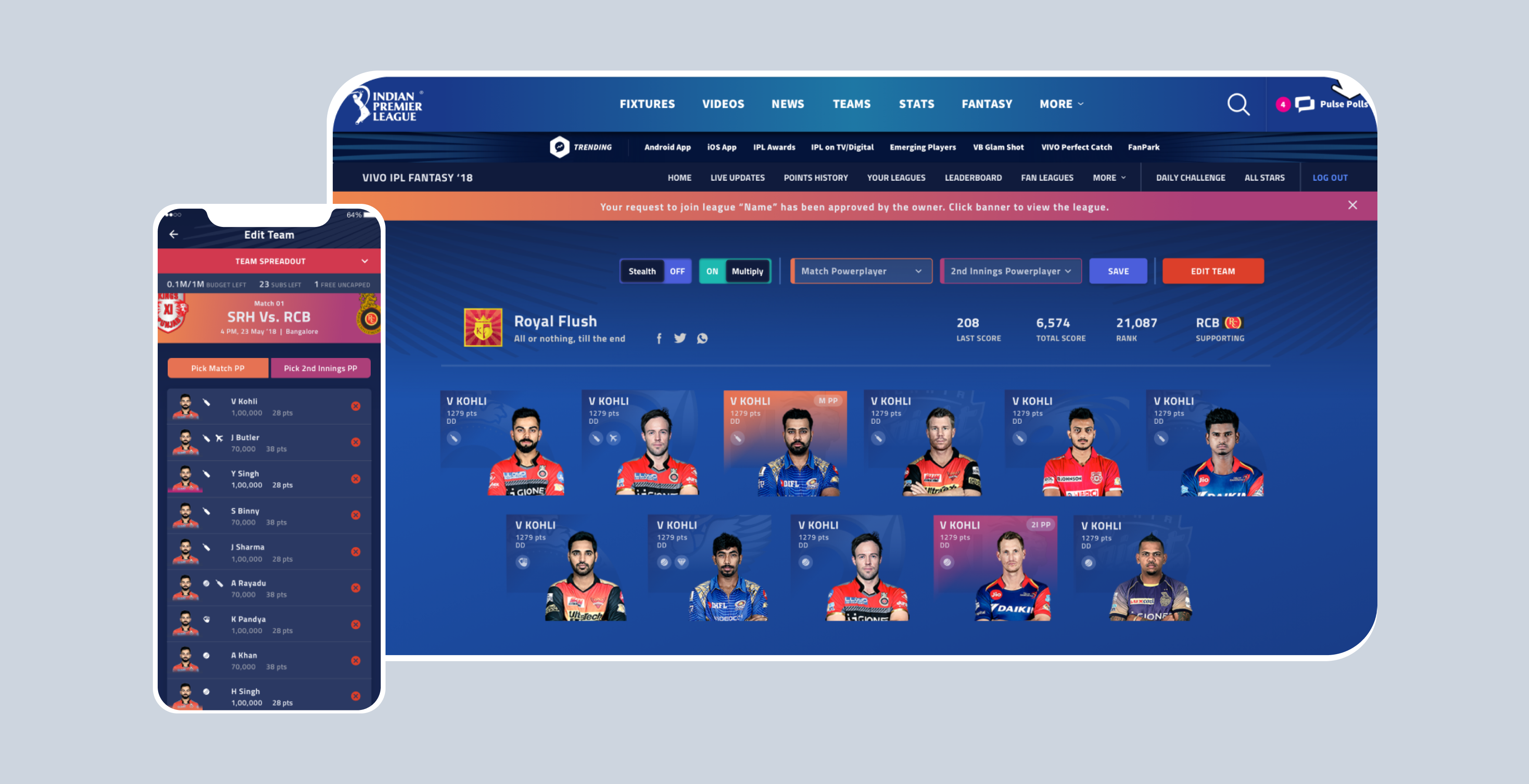
Sports and Gaming

IPL Fantasy League
Innovation and Development Partners for BCCI's official Fantasy Gaming Platform
logo

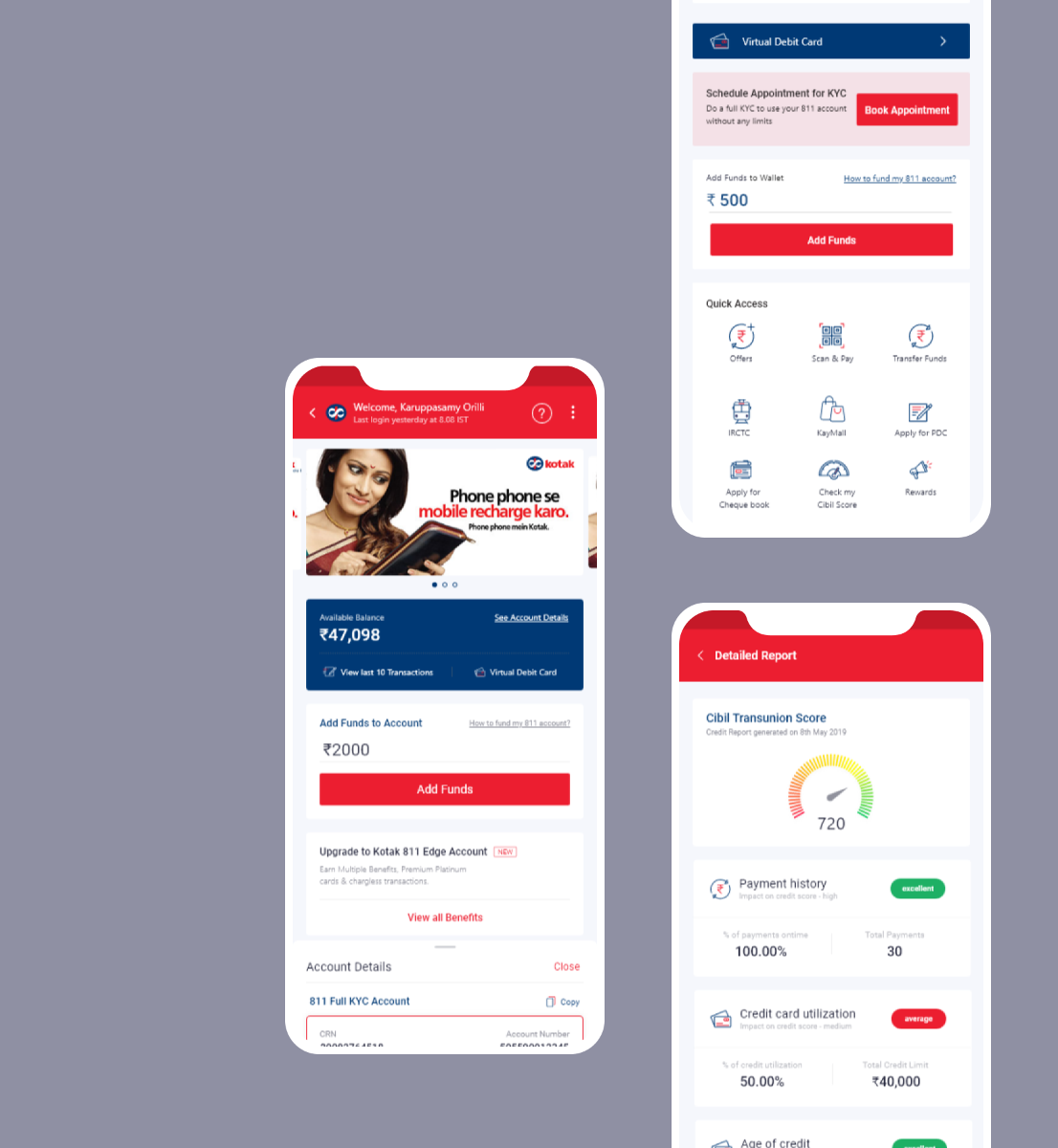
Banking and Fintech

Kotak Mahindra Bank
Designing a seamless user experience for Kotak 811 digital savings account

logo

News and Media

News Laundry
Reader-Supported Independent News and Media Organisation
arrow

Written by the Cartoon Mango engineering team, based in Bangalore and Coimbatore, India. We build SEO-optimized Next.js websites, high-performance web applications, and programmatic SEO platforms for businesses across India.