



6 Architecture Patterns for React Native Apps
Feature-Based Modular
StartupsClean Architecture
Enterprise appsMVVM (Model-View-ViewModel)
Data-heavy appsMicro-Frontends
Large teams (10+ devs)Monorepo (Multi-App)
Companies with React web + React Native mobile appsServer-Driven UI
Dynamic content appsFeature-Based Modular
RecommendedOrganize code by feature/domain rather than by layer. Each feature folder contains its own screens, components, hooks, and API calls. Recommended for most React Native apps.
Startups, MVPs, mid-size apps (3-15 screens)
React Navigation, Zustand slices, React Query
8 Core Technical Decisions for Your React Native App
Navigation
State Management
Styling
API Layer
Forms
Storage
Authentication
Testing
Navigation
React Navigation vs Expo RouterReact Navigation 7
Most mature, largest community, supports all navigation patterns (stack, tab, drawer, deep linking). Expo Router is file-based (like Next.js) and good for Expo-managed projects, but React Navigation offers more control for complex flows.
8 Essential India-Specific Integrations
UPI Payments
Medium (3-5 days)Razorpay SDK / PhonePe SDK
Accept UPI, cards, net banking, wallets (Paytm, PhonePe) via single SDK. Intent-based UPI opens user's preferred UPI app. Supports auto-debit mandates for subscriptions.
Aadhaar eKYC
High (5-7 days)DigiLocker API / UIDAI SDK
Verify user identity using Aadhaar-based eKYC for fintech, insurance, and healthcare apps. Supports face match, OTP-based verification, and offline XML verification.
WhatsApp Business
Medium (3-4 days)WhatsApp Business API (react-native-whatsapp)
Send order confirmations, delivery updates, and promotional messages via WhatsApp. 70%+ open rates in India. Supports template messages, quick replies, and media messages.
Google Maps India
Medium (2-3 days)react-native-maps with India geocoding
Display maps with Indian address geocoding, route optimization, and live location tracking. Supports India-specific POI data and regional language map labels.
Push Notifications
Medium (3-5 days)Notifee + FCM (Android) + APNs (iOS)
Rich push notifications with images, action buttons, and deep linking. Supports notification channels (Android), critical alerts, and topic-based segmentation for targeted campaigns.
SMS / OTP Verification
Low (1-2 days)MSG91 / Twilio Verify
Phone number OTP verification for Indian mobile numbers. MSG91 offers better Indian delivery rates (99.5%) and lower cost (Rs 0.15/SMS) compared to international providers. Auto-read OTP supported.
Regional Languages
Medium (3-5 days)i18next + react-i18next
Multi-language support for Hindi, Tamil, Telugu, Kannada, Malayalam, Bengali, and Marathi. RTL support for Urdu. Dynamic language switching without app restart. Supports 22 scheduled Indian languages.
Offline-First Storage
High (5-7 days)WatermelonDB / MMKV + sync queue
Full offline functionality for tier-2/3 Indian cities with unreliable connectivity. Local SQLite database with background sync, conflict resolution, and queue-based API calls when connection returns.
8 Performance Optimization Techniques
FlatList Optimization
High ImpactUse keyExtractor, getItemLayout (fixed height), windowSize tuning, and removeClippedSubviews. Replace FlatList with FlashList (by Shopify) for 5x faster list rendering on large datasets.
Add getItemLayout for fixed-height items, set windowSize to 5-7, use FlashList for 500+ item lists with estimatedItemSize
Image Caching with FastImage
High ImpactReplace default Image component with react-native-fast-image. Supports aggressive caching, priority loading, and progressive JPEG rendering — critical for Indian users on slow 3G/4G networks.
Install react-native-fast-image, set cache: 'immutable' for static images, use priority: 'high' for above-fold images
Hermes JavaScript Engine
High ImpactHermes compiles JavaScript to optimized bytecode at build time, reducing app startup time by 40-50% and memory usage by 30%. Enabled by default in React Native 0.70+ and Expo SDK 48+.
Verify hermes_enabled in android/app/build.gradle and :hermes_enabled in Podfile. Check with global.HermesInternal in runtime.
Reanimated 3 Animations
Medium ImpactRun animations on the UI thread at 60fps without crossing the JS bridge. Supports gesture-driven animations, shared element transitions, and layout animations.
Use useAnimatedStyle and useSharedValue. Add Reanimated Babel plugin. Use withTiming/withSpring for smooth transitions.
Memo and useCallback
Medium ImpactPrevent unnecessary re-renders in list items, heavy components, and context consumers. Use React.memo for pure components and useCallback for event handlers passed as props.
Wrap list item components in React.memo. Use useCallback for onPress handlers. Profile with React DevTools Profiler to find re-render hotspots.
Code Splitting and Lazy Loading
Medium ImpactLazy load screens and heavy components to reduce initial bundle parse time. Critical for apps with 20+ screens where users only visit 5-6 per session.
Use React.lazy() with Suspense for screen-level splitting. Lazy load heavy libraries like charts and maps only when the user navigates to those screens.
New Architecture (Fabric + TurboModules)
High ImpactFabric replaces the old async bridge with synchronous JSI calls. TurboModules load native modules on demand instead of at startup. Reduces startup time and enables concurrent rendering.
Enable newArchEnabled in gradle.properties and RCT_NEW_ARCH_ENABLED in Podfile. Migrate custom native modules to TurboModule spec.
Bundle Size Optimization
Medium ImpactReduce APK/IPA size using Hermes bytecode (saves 30-50%), ProGuard for Android, and tree-shaking unused code. Target under 15MB for Indian users on limited storage devices.
Enable ProGuard and R8 minification. Use hermes bytecode bundles. Audit dependencies with react-native-bundle-visualizer. Remove unused imports.
Native vs React Native: Business Impact Comparison
| Metric | Native Approach (iOS + Android) | React Native | Improvement |
|---|---|---|---|
| Development Cost (iOS + Android) | Rs 30-60L (2 separate native apps) | Rs 12-35L (single RN codebase) | -50% cost savings |
| Time to Market | 6-8 months (parallel development) | 3-4 months (single team) | -50% faster launch |
| Code Sharing (iOS/Android) | 0% (completely separate codebases) | 85-90% shared code | 85-90% reuse |
| Developer Hiring Cost | Rs 15-25L/yr per platform (Swift + Kotlin) | Rs 12-18L/yr shared JS/RN developer | -35% hiring cost |
| Bug Fix Turnaround | Fix twice (iOS + Android separately) | Fix once, deploy to both platforms | -50% fix time |
| Feature Parity | iOS and Android weeks apart | Simultaneous release on both platforms | 100% parity |
| OTA Updates | Not possible (app store review required) | CodePush same-day JS bundle updates | Same-day hotfixes |
| Maintenance Team | 2 teams (iOS team + Android team) | 1 team maintains both platforms | -50% team size |
React Native App Development Cost Breakdown
| Tier | Scope | Cost | Includes | Timeline |
|---|---|---|---|---|
| MVP / Startup | 3-5 core features | Rs 5-12 Lakh | Core screens, authentication (phone OTP), 1 payment gateway (Razorpay), push notifications, basic analytics, Expo managed workflow | 8-10 weeks |
| Standard App | 8-12 features | Rs 12-25 Lakh | Full e-commerce or on-demand flow, UPI + card payments, real-time tracking, admin panel, WhatsApp integration, offline support, multi-language (Hindi + English) | 10-14 weeks |
| Complex / Enterprise | 15+ features, multi-module | Rs 25-50 Lakh | Complex business logic, AI/ML features, Aadhaar eKYC, custom native modules, role-based access, real-time sync, full offline-first architecture, 5+ language support | 14-18 weeks |
| Maintenance (Monthly) | Ongoing support | Rs 8K-30K/month | Server hosting, RN version upgrades, OS compatibility updates, security patches, bug fixes, CodePush OTA updates, app store compliance | Ongoing |
12-Week Implementation Roadmap
Setup and Architecture
- Initialize React Native project (Expo or bare workflow decision)
- Configure TypeScript, ESLint, Prettier, and Husky pre-commit hooks
- Set up CI/CD pipeline (GitHub Actions + Fastlane + EAS Build)
- Define folder structure (feature-based modular architecture)
Core Screens and Navigation
- Implement React Navigation with deep linking configuration
- Build design system with NativeWind (shared components, tokens, typography)
- Create authentication flow (phone OTP via MSG91, social login)
- Develop 5-8 core screens with responsive layouts and animations
API Integration and Business Logic
- Integrate REST/GraphQL APIs with React Query (caching, pagination)
- Implement UPI/Razorpay payment gateway with end-to-end testing
- Set up Zustand stores for client state management
- Build offline-first data layer with MMKV and sync queue
Polish and Native Modules
- Add Reanimated 3 animations and gesture handlers for smooth UX
- Integrate push notifications (Notifee + FCM/APNs)
- Implement WhatsApp Business API integration and regional language support
- Performance profiling and optimization (Hermes, FlatList, FastImage)
Testing and Deployment
- Unit and component tests with Jest + React Native Testing Library (70% coverage)
- E2E tests with Detox for critical flows (auth, payment, checkout)
- Device testing on 15+ Indian-market devices (Redmi, Samsung, OnePlus, iPhone, Realme)
- App Store and Play Store submission with ASO optimization
Get Free React Native App Assessment
We will analyze your app requirements, recommend the optimal architecture (Expo vs bare, Zustand vs Redux), estimate costs and timeline, and provide a custom implementation roadmap with India-specific integrations — free of charge.
Book Free AssessmentRelated Services
Related Insights
Frequently Asked Questions
Common questions about AI automation for React Native app development for Indian businesses
What is React Native and why should Indian businesses use it?
React Native is Meta's open-source framework for building native iOS and Android apps using JavaScript and React. Indian businesses benefit from 40-50% lower development costs compared to building separate native apps — a single React Native codebase serves both platforms with 85-90% code sharing. Companies like Flipkart, Myntra, and Swiggy use React Native for parts of their apps. With India's 80% Android and 20% iOS market split, React Native lets you target both platforms simultaneously while hiring from India's massive JavaScript developer pool (3x larger than Swift/Kotlin talent pool).

How much does React Native app development cost in India in 2026?

React Native vs Flutter: which should I choose in 2026?
What is the difference between Expo and bare React Native workflow?
Can React Native handle complex, performance-heavy apps?
Can I migrate my existing native iOS/Android app to React Native?
How long does it take to build a React Native app from scratch?
What is the monthly maintenance cost for a React Native app?
What is the best state management for React Native in 2026?
How do you implement push notifications in React Native?
How does the App Store and Play Store submission process work?
When should I NOT use React Native?
Want to See What We Build with React Native App Development?
Get a free consultation and discover how we can turn your idea into a production-ready application. Our team will review your requirements and provide a detailed roadmap.
- Free project assessment
- Timeline & cost estimate
- Portfolio of similar projects
Your information is secure. We never share your data.
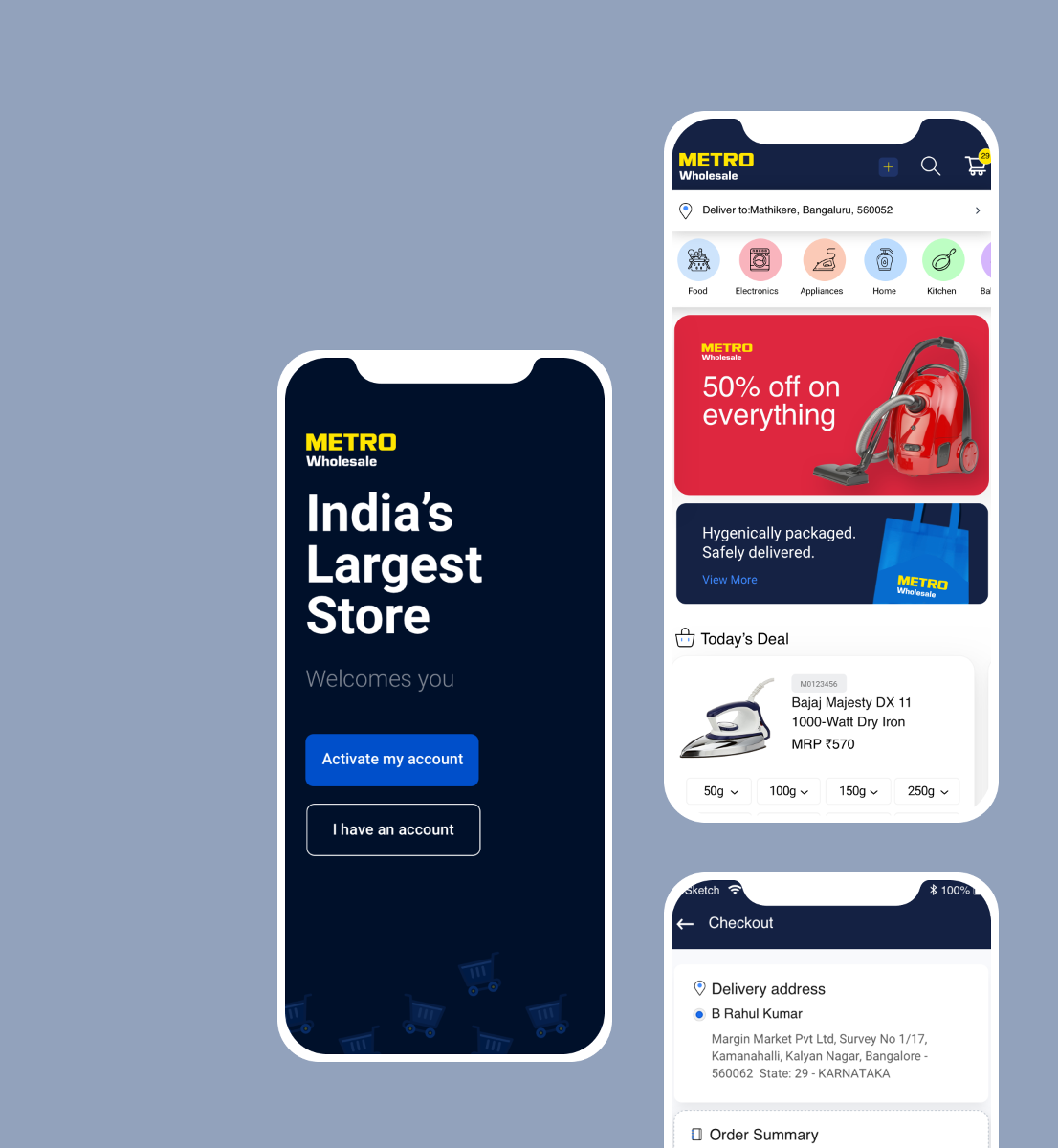
We Have Delivered 100+ Digital Products



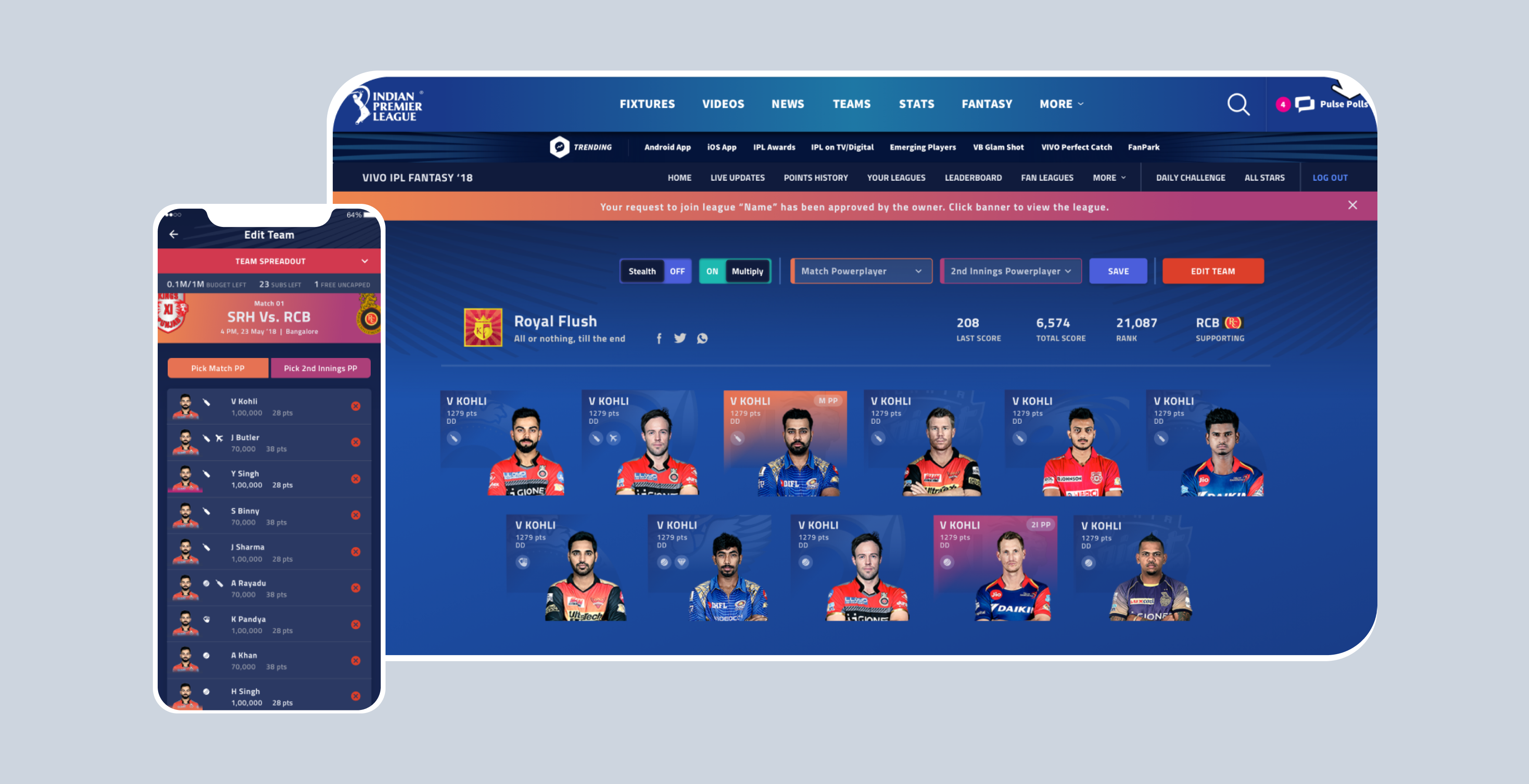
Sports and Gaming
IPL Fantasy League
Innovation and Development Partners for BCCI's official Fantasy Gaming Platform
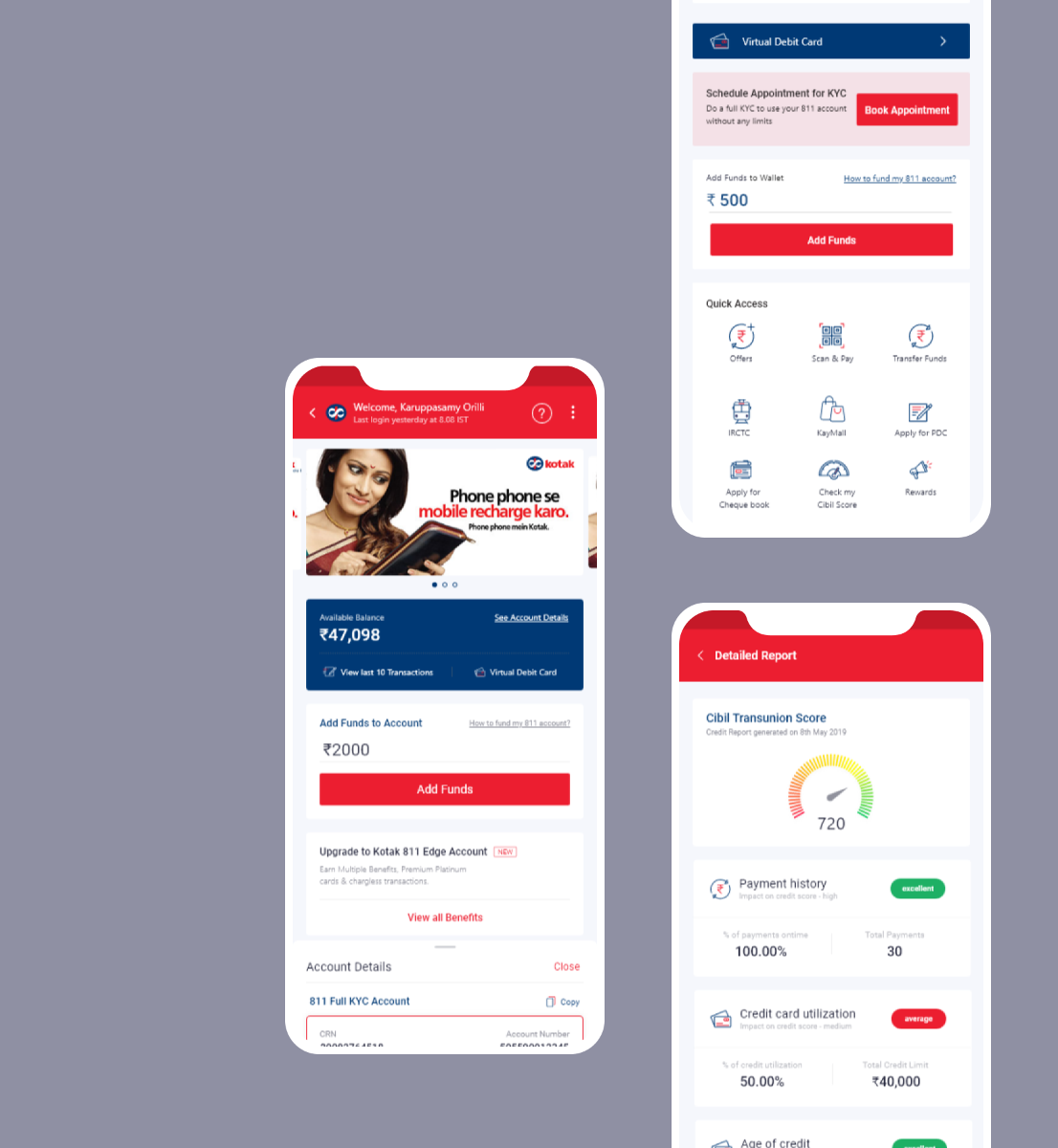
Banking and Fintech
Kotak Mahindra Bank
Designing a seamless user experience for Kotak 811 digital savings account
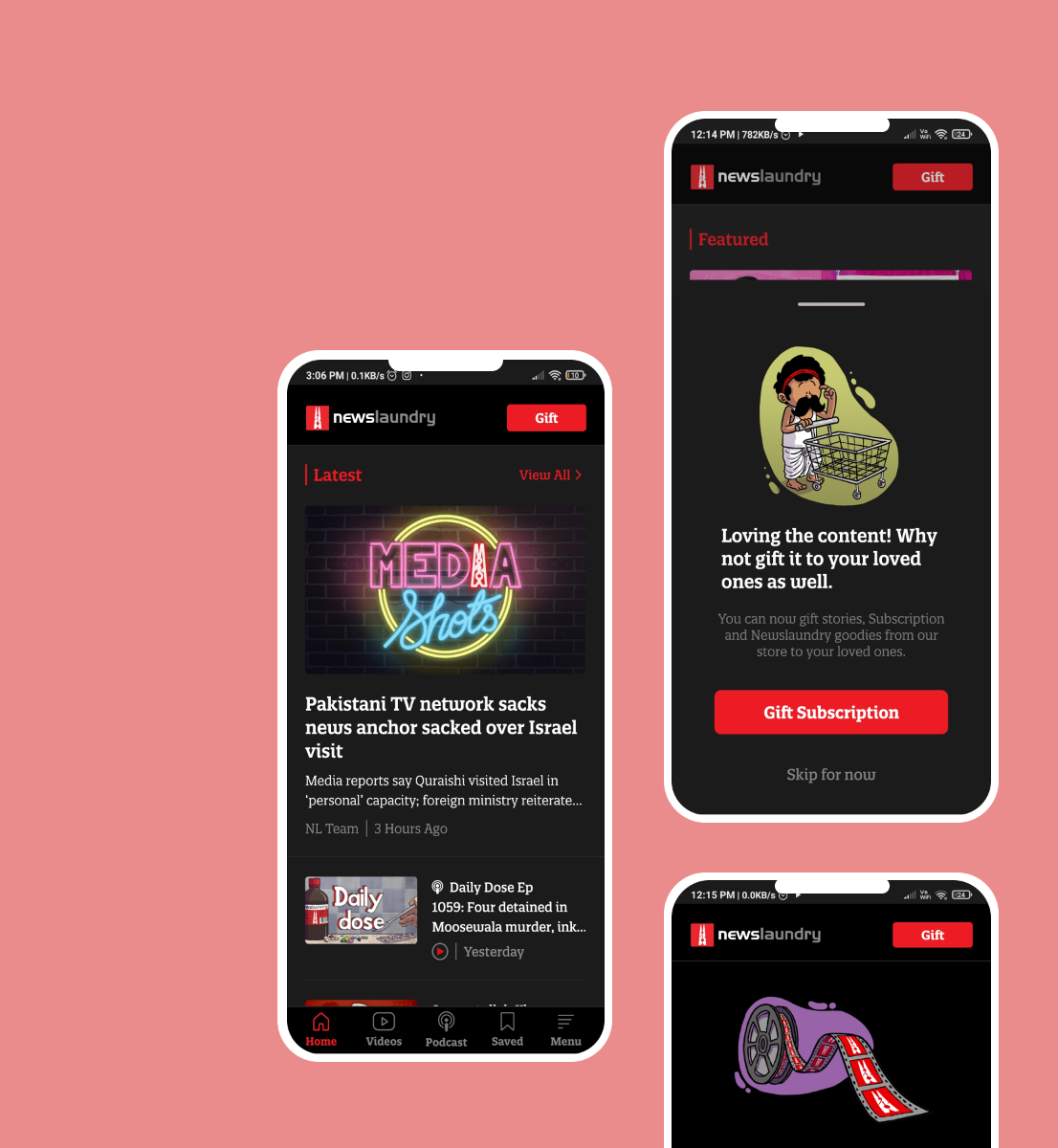
News and Media
News Laundry
Reader-Supported Independent News and Media Organisation
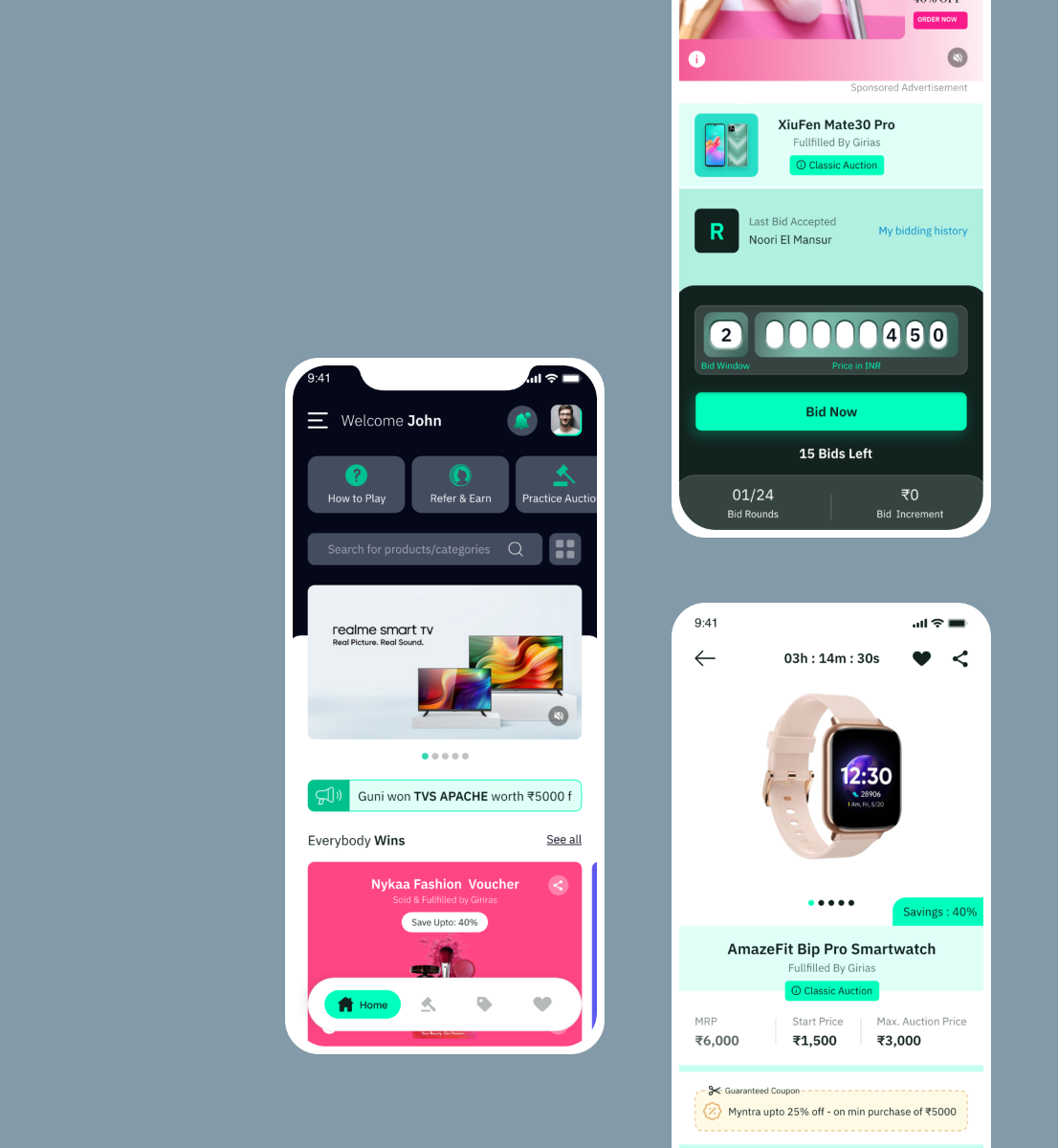
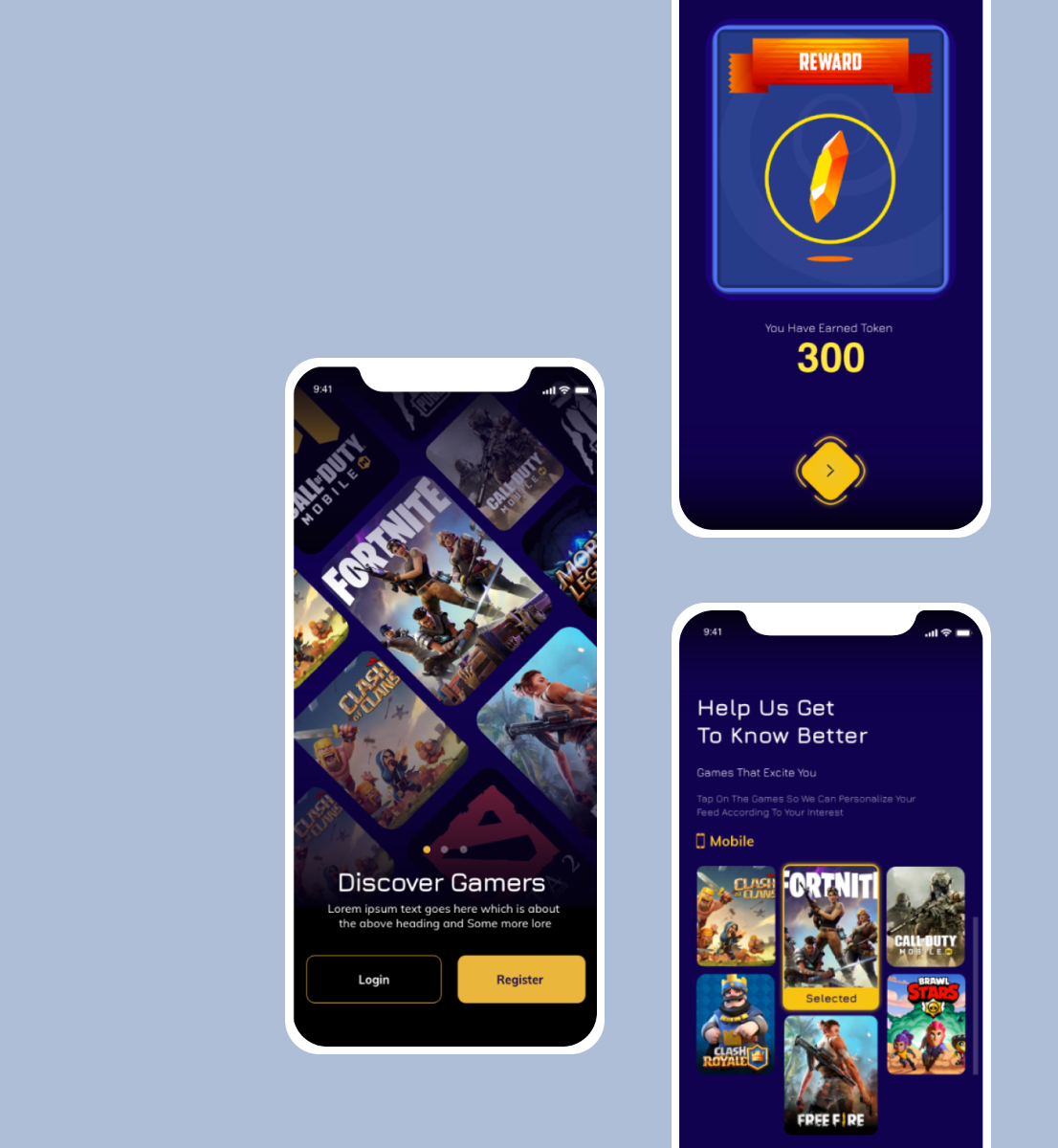

Written by the Cartoon Mango engineering team, based in Bangalore and Coimbatore, India. We build production React Native applications for startups, D2C brands, and enterprises across India, specializing in cross-platform mobile development with native performance.


Design for Success
AI Automation
- AI Operations
- Manufacturing AI
- Logistics AI
- Retail AI
- Finance AI
- Healthcare AI
- HR AI
Engagement
- Gamification
- Interactive Marketing