



Healthcare AI
AI-Powered Healthcare & Medical Solutions
Healthcare AI is saving lives and improving outcomes. From detecting diseases earlier in medical images to predicting patient deterioration before it happens, AI augments clinical expertise with computational power that catches what humans might miss.
We help healthcare organizations deploy AI responsibly. Whether you need to analyze medical images, extract insights from clinical notes, or optimize hospital operations, our team builds HIPAA-compliant solutions that improve care while managing regulatory requirements.

Why AI for Healthcare
Augment clinical expertise with AI that improves diagnosis, treatment, and operations.
Enhance Diagnostic Accuracy
AI analyzes medical images and patient data to detect diseases earlier. Computer vision spots subtle findings in radiology and pathology. Serve as a powerful second opinion that catches what might be missed.
Unlock Clinical Data
NLP extracts structured information from clinical notes. Search patient histories, identify at-risk populations, and automate documentation. Turn unstructured narrative into actionable insights.
Predict & Prevent
Predictive models identify patients at risk of deterioration, readmission, or complications. Enable proactive interventions that improve outcomes and reduce costs.
HEALTHCARE AI SOLUTIONS
End-to-end AI for better patient outcomes
Medical
Imaging AI
Computer vision for radiology, pathology, and ophthalmology. Detect anomalies, measure lesions, and prioritize urgent cases with AI-powered analysis.
Clinical
NLP
Extract insights from clinical notes, discharge summaries, and medical literature. Named entity recognition, relation extraction, and semantic search.
Predictive
Analytics
Risk stratification, readmission prediction, length of stay forecasting, and early warning systems for patient deterioration.
Patient
Monitoring
Continuous monitoring from wearables and IoT devices. Real-time alerts for vital sign anomalies and remote patient management.
Operations
Optimization
Patient flow optimization, bed management, staff scheduling, and supply chain forecasting for efficient hospital operations.
Virtual Health
Assistants
AI chatbots for patient triage, symptom checking, appointment scheduling, and medication reminders. 24/7 patient engagement.
Healthcare AI Technology Stack
HIPAA-compliant tools for medical AI
Medical Imaging
MONAI, PyTorch, TensorFlow
Specialized frameworks for medical image analysis and DICOM processing.
Clinical NLP
spaCy, BioBERT, Clinical LLMs
NLP models trained on medical literature and clinical notes.
Infrastructure
HIPAA Cloud, HL7 FHIR
Compliant infrastructure with healthcare data interoperability standards.
Integration
EHR, PACS, Lab Systems
Seamless integration with existing healthcare IT infrastructure.
Healthcare AI Use Cases
Real applications improving patient care
Radiology AI
Chest X-ray analysis, CT scan interpretation, and mammography screening with AI-assisted detection.
Pathology AI
Digital pathology analysis, cancer detection, and tissue classification from whole slide images.
Clinical Documentation
Automated coding, note summarization, and clinical documentation improvement.
Remote Patient Monitoring
Continuous vital sign monitoring, anomaly detection, and early intervention alerts.
Drug Discovery
Molecular analysis, target identification, and clinical trial optimization with AI.
Population Health
Risk stratification, care gap identification, and chronic disease management at scale.
Ready to Transform Healthcare with AI?
Let us discuss your healthcare challenges and explore how AI can improve patient outcomes.
Get Healthcare AI ConsultationFrequently Asked Questions
Common questions about AI automation for healthcare AI
How can AI improve medical diagnosis?
AI analyzes medical images, lab results, and patient data to assist clinicians. Computer vision detects anomalies in X-rays, CT scans, and pathology slides with high accuracy. AI serves as a second opinion, catching findings that might be missed and prioritizing urgent cases.

Is healthcare AI compliant with regulations like HIPAA?

What is clinical NLP and how does it help?
Can AI help with hospital operations?
How accurate is AI in medical imaging analysis?
What data is needed for healthcare AI projects?
We Have Delivered 100+ Digital Products


Sports and Gaming
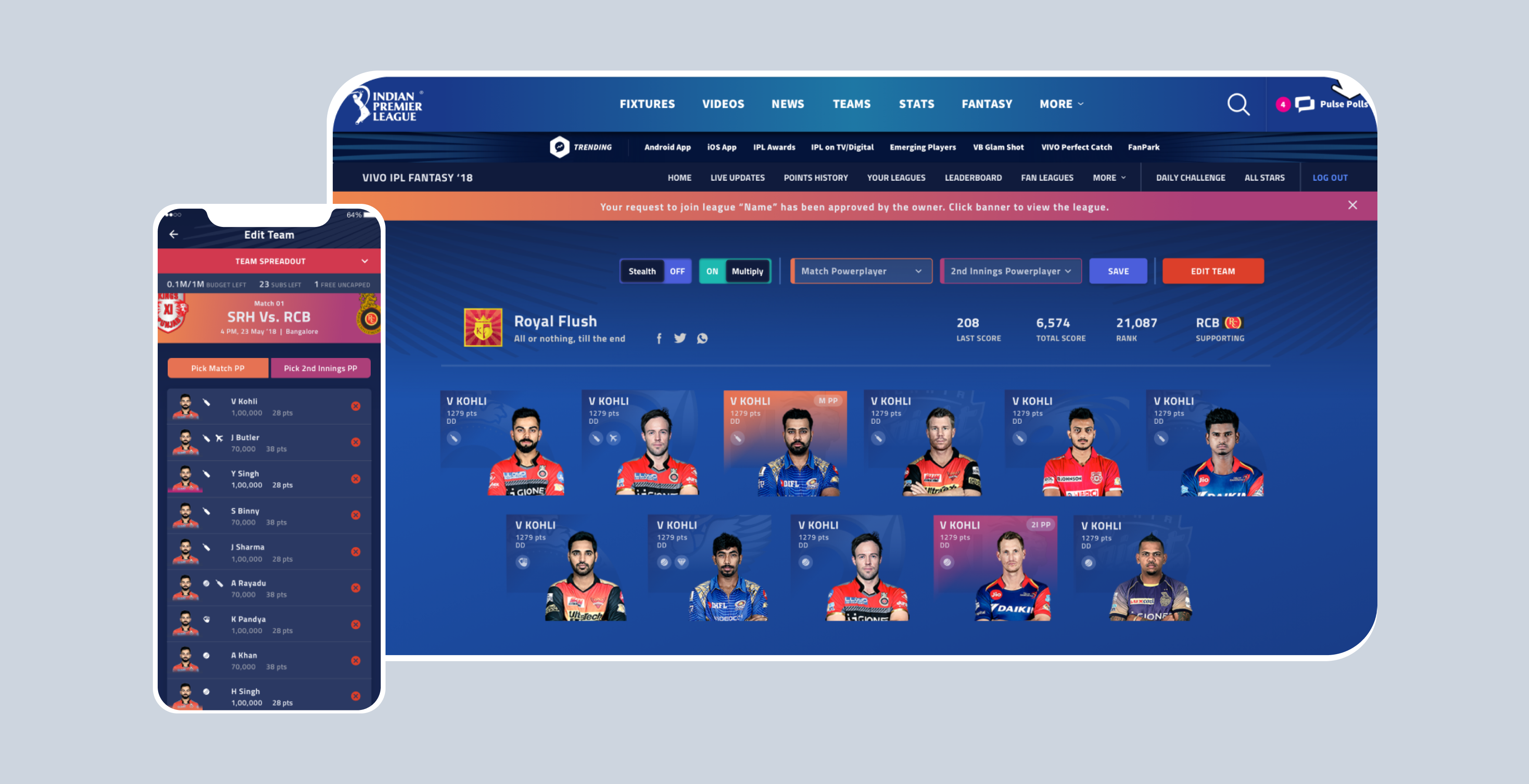
IPL Fantasy League
Innovation and Development Partners for BCCI's official Fantasy Gaming Platform
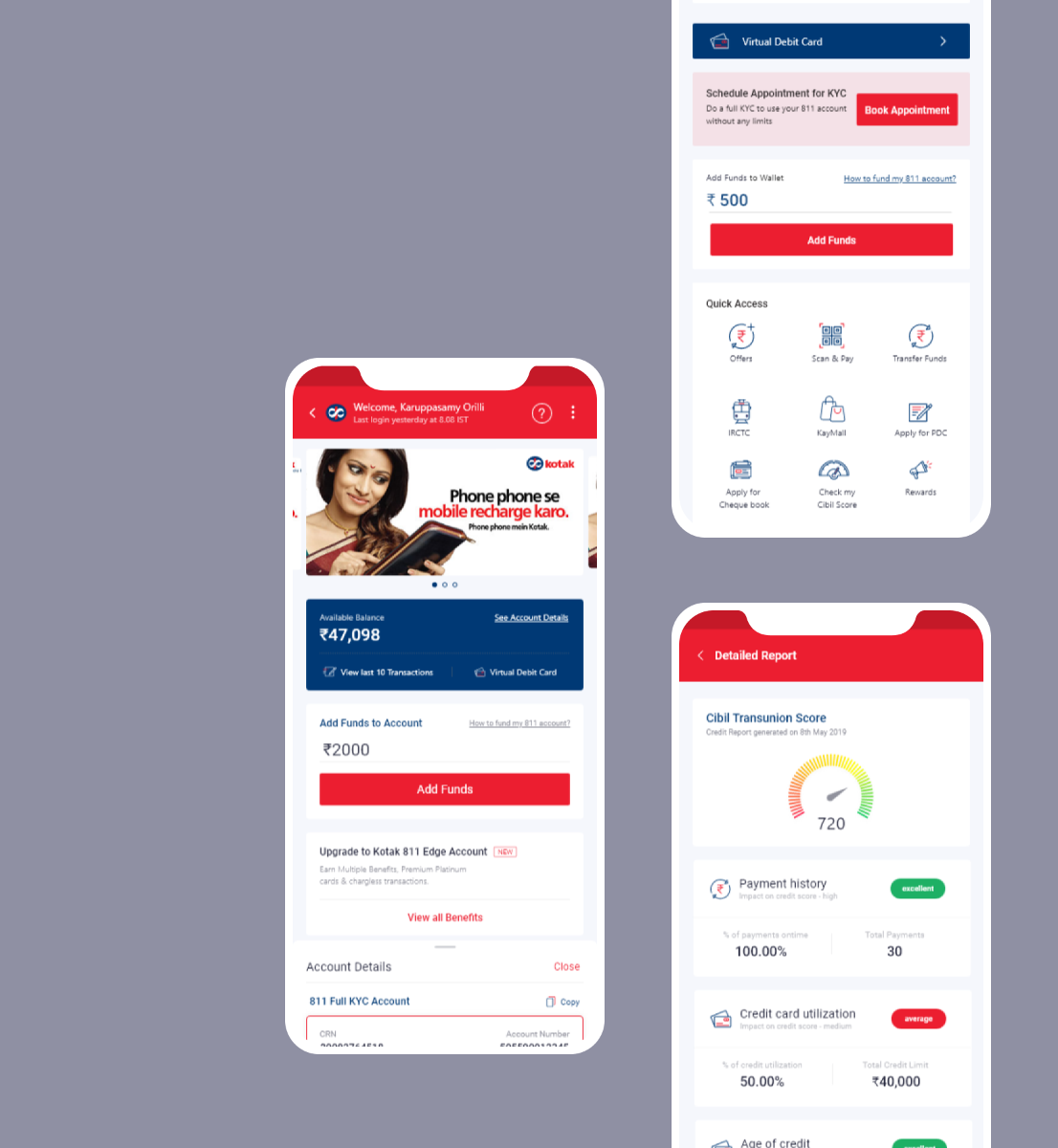
Banking and Fintech
Kotak Mahindra Bank
Designing a seamless user experience for Kotak 811 digital savings account
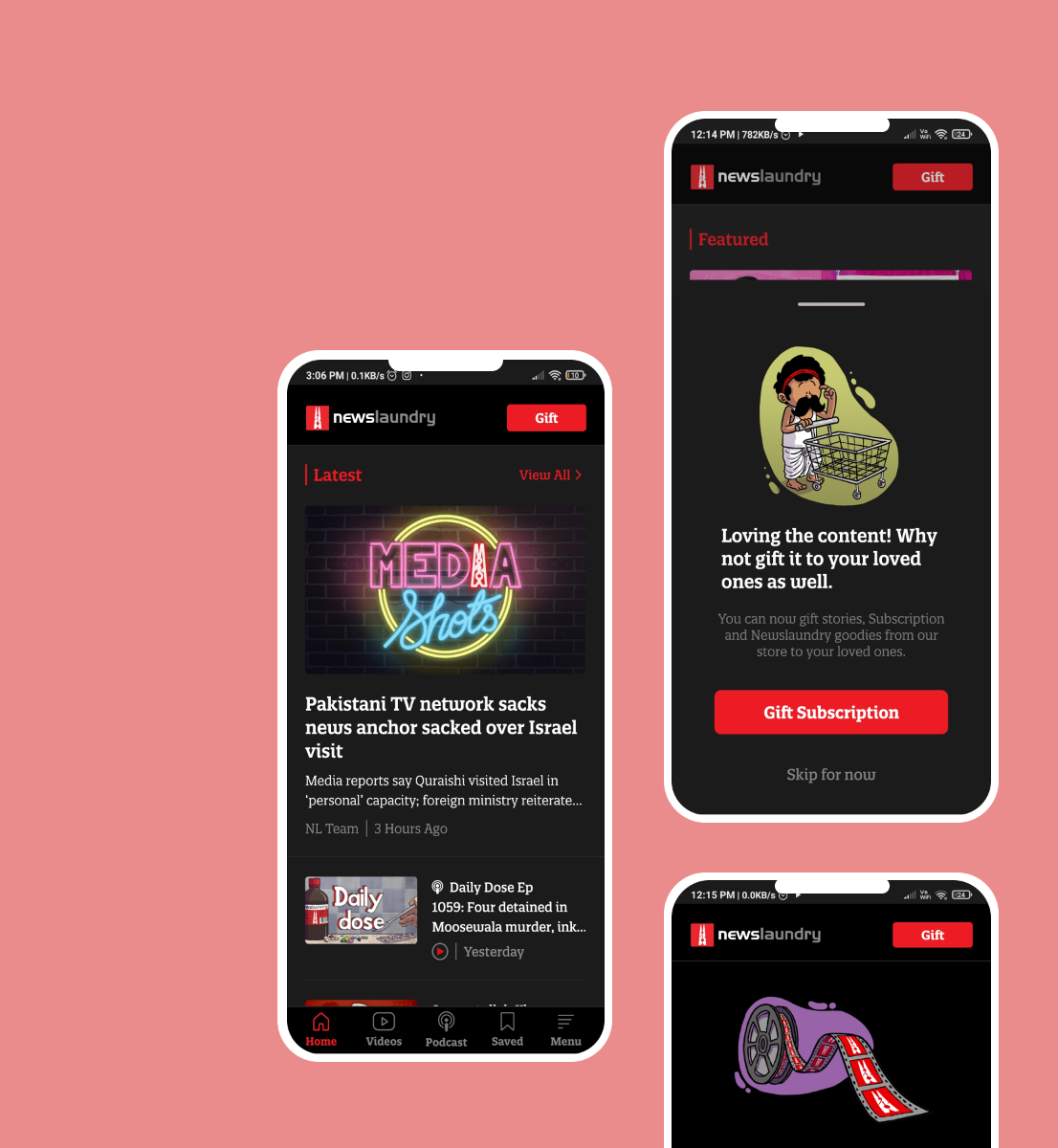
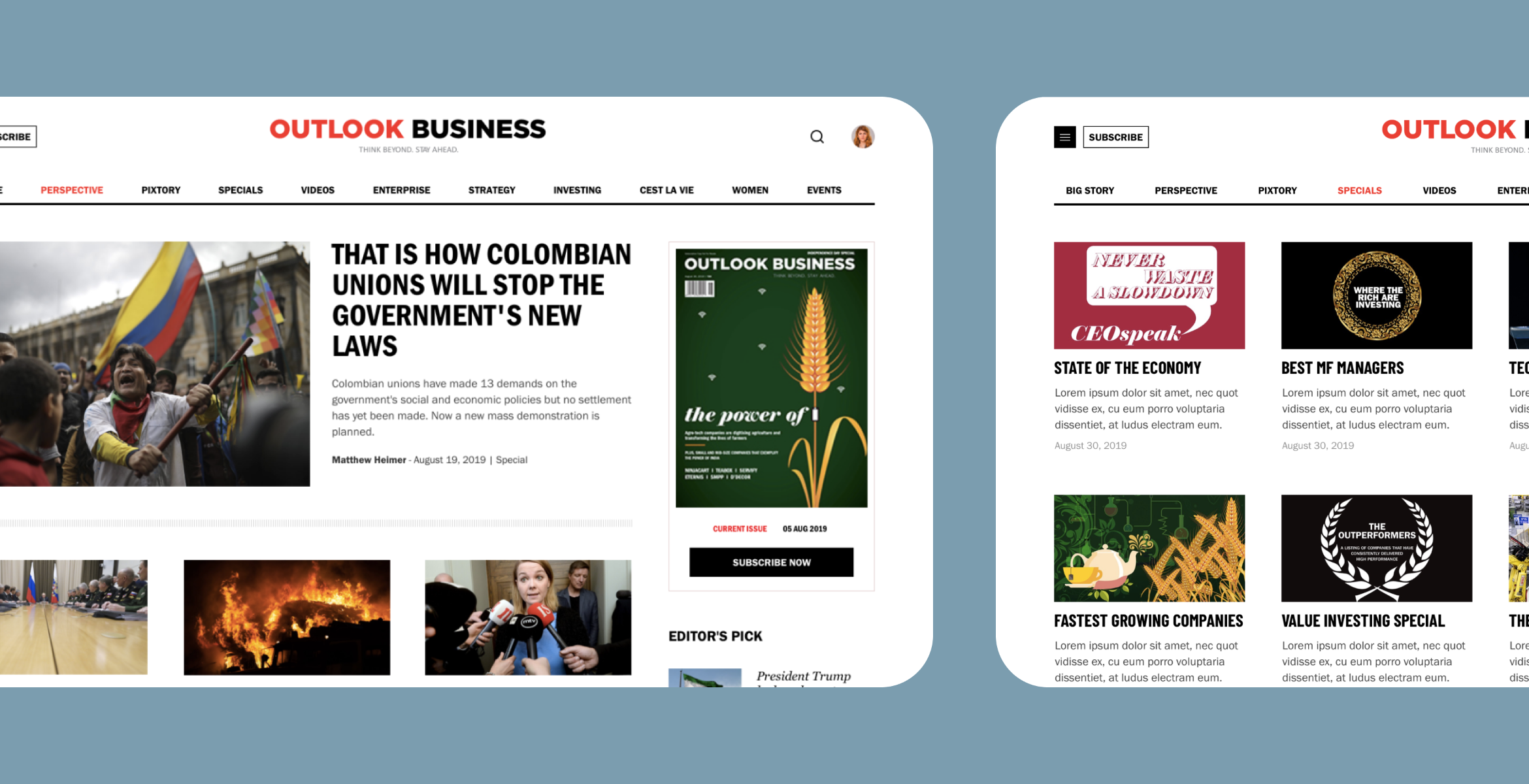
News and Media
News Laundry
Reader-Supported Independent News and Media Organisation
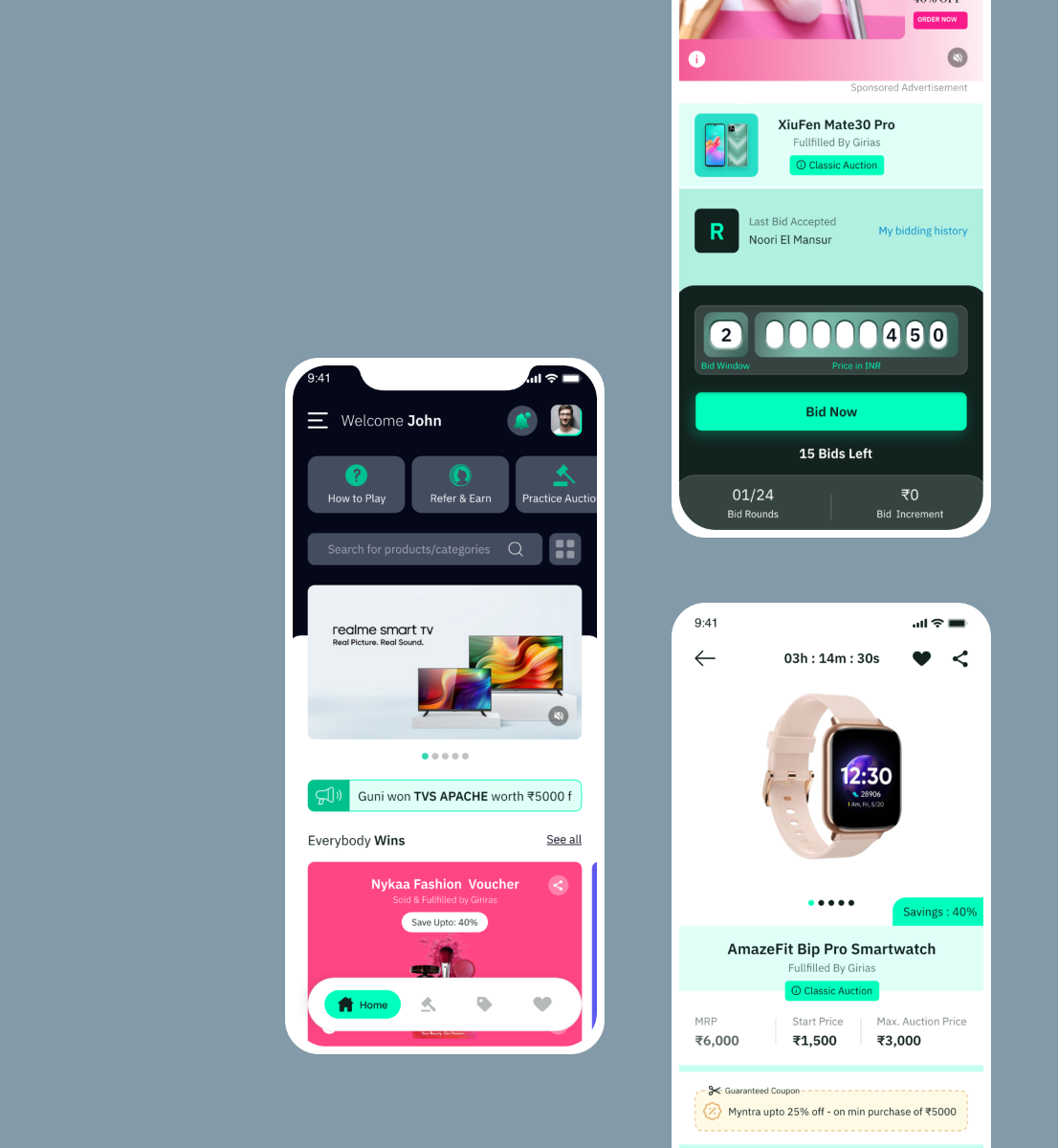
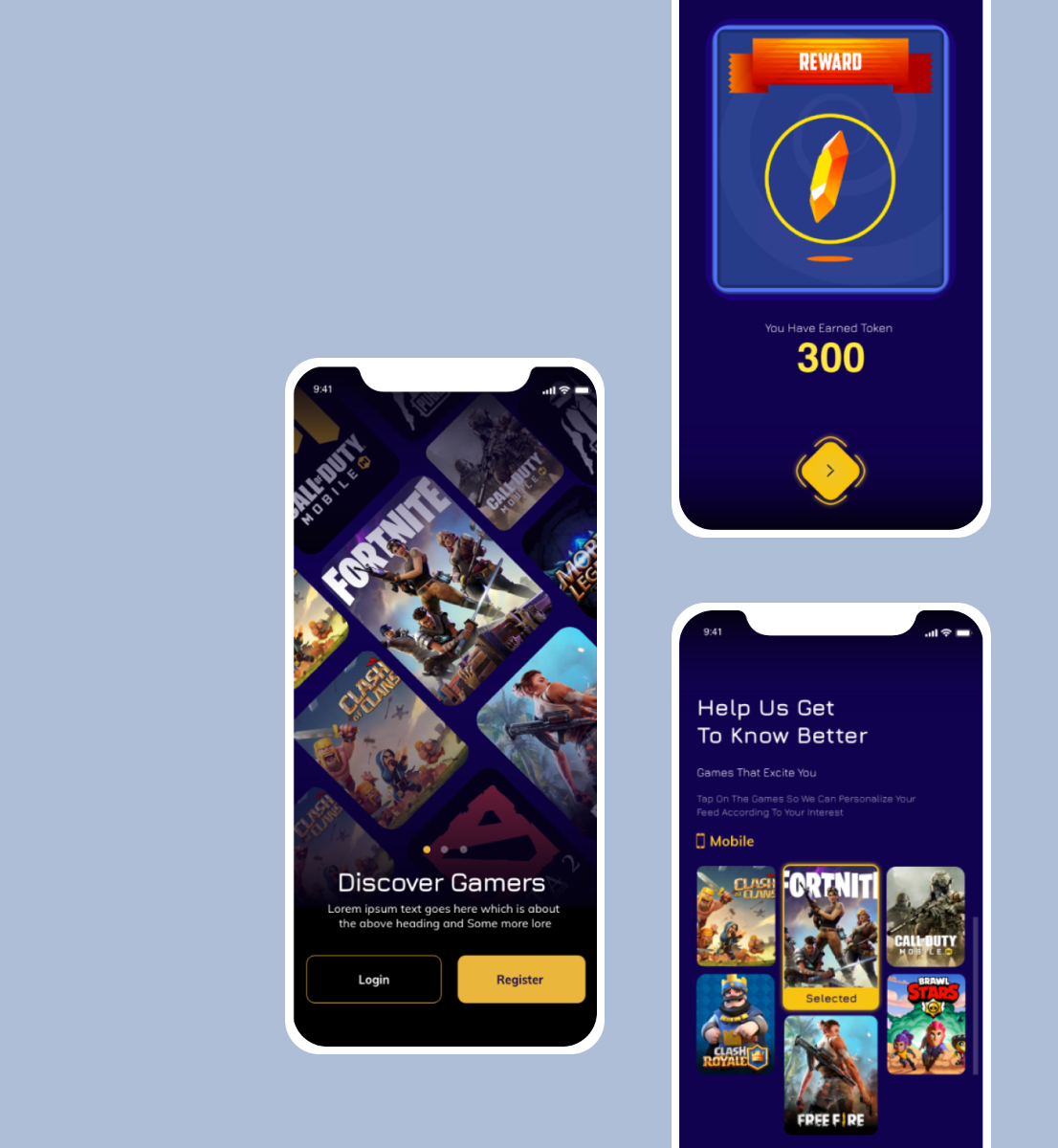


Cartoon Mango was great to work with. They improvise and provide 24X7 support.
Gaurav Saxena
Media Manager - BCCI



Design for Success
AI Automation
- AI Operations
- Manufacturing AI
- Logistics AI
- Retail AI
- Finance AI
- Healthcare AI
- HR AI
Engagement
- Gamification
- Interactive Marketing