


Healthcare VR & Medical AR
Healthcare VR & Medical AR Solutions in Bengaluru
Need VR surgical training for your hospital? AR-assisted guidance during complex procedures? VR therapy for pain management or phobia treatment? We build healthcare VR and medical AR solutions trusted by Bengaluru's world-class hospital network — from Manipal and Narayana to Apollo and beyond.
Our medical VR/AR solutions are HIPAA compliant, clinically validated, and designed for real clinical workflows — helping surgeons train better, patients recover faster, and medical students learn deeper.

Why Bengaluru for Healthcare VR & Medical AR?
🏥 World-Class Hospital Network
Bengaluru hosts Manipal Hospital, Narayana Health, Apollo Hospitals, Fortis, and Aster CMI — institutions at the forefront of medical innovation. Our VR/AR solutions are built in close collaboration with clinicians from these hospitals.
🔬 MedTech Innovation Hub
Bengaluru is India's MedTech capital with 200+ healthtech startups, biotech parks, and medical device companies. IISc and IIMs provide cutting-edge research partnerships for VR/AR clinical validation and efficacy studies.
🎓 Medical Education Excellence
With top medical colleges like St. John's, M.S. Ramaiah, BMCRI, and Kempegowda Institute, Bengaluru trains thousands of doctors annually. VR anatomy and surgical simulation tools are transforming how the next generation of doctors learn.
Healthcare VR & Medical AR Use Cases
From VR surgical training and AR-assisted surgery to VR therapy and medical education — here are the healthcare VR/AR solutions we build for Bengaluru's hospitals and medical institutions.
VR Surgical Training & Simulation
Practice complex surgeries in a risk-free virtual environment. Our VR surgical simulators feature haptic feedback for realistic tissue interaction, anatomically accurate 3D models, step-by-step procedure guidance, and full procedure replay for review. Surgeons can rehearse rare procedures repeatedly, reducing errors and improving confidence before entering the real OR.
AR-Assisted Surgery
Overlay real-time CT, MRI, and ultrasound imaging directly onto the patient during surgical procedures. Surgeons navigate complex anatomy with AR guidance — see tumors, blood vessels, and nerves through tissue. Precise spatial mapping helps plan incision points and avoid critical structures. Compatible with HoloLens 2 and Magic Leap for hands-free, sterile-environment use.
VR Patient Therapy & Pain Management
Evidence-based VR therapy for pain management, phobia treatment (heights, needles, dentists, flying), PTSD, and anxiety disorders. Patients are immersed in calming or controlled exposure environments that reduce pain perception by 24-50%. Clinically validated protocols with therapist controls for session management, progress tracking, and gradual exposure settings.
VR Physical Rehabilitation
Gamified rehabilitation exercises for stroke recovery, orthopedic rehab, and neurological conditions. Patients perform therapeutic movements within engaging VR games — reaching, grasping, balancing, walking. Real-time progress tracking, adaptive difficulty, and remote therapist monitoring. Makes repetitive rehab exercises motivating and measurable, improving adherence by 40%.
3D Anatomy & Medical Education
Interactive 3D body systems that replace traditional cadaver labs. Medical students zoom into organs, skeletal systems, circulatory networks, and cellular-level structures. Peel back layers of tissue, rotate organs 360°, and see pathological conditions in 3D. Supports collaborative learning where multiple students explore the same virtual body simultaneously.
VR Mental Health Treatment
Immersive environments for cognitive behavioral therapy (CBT), guided meditation, stress reduction, and addiction therapy. Patients enter calming virtual spaces — beaches, forests, mountain trails — for mindfulness sessions. Controlled virtual environments for exposure therapy. Therapist dashboard for session configuration, real-time biometric monitoring, and outcome tracking.
AR for Emergency Response Training
Train paramedics, nurses, and first responders with AR-enhanced triage simulations. Realistic disaster response scenarios with virtual casualties overlaid in real-world settings. AR guidance for emergency procedures — CPR timing, wound assessment, medication dosing. Mass casualty incident training without the logistics of live drills.
VR Hospital Design & Planning
Walk through new hospital wings, ICU layouts, operation theater designs, and patient room configurations before construction begins. Architects, doctors, and administrators experience the space at full scale in VR. Identify workflow issues, equipment placement problems, and patient flow bottlenecks early — saving millions in post-construction changes.
Patient Education VR
Show patients their medical condition in immersive 3D — visualize a heart valve defect, a tumor location, or a spinal condition from every angle. Explain upcoming procedures visually so patients truly understand what will happen. Dramatically improves informed consent, reduces pre-surgery anxiety, and increases treatment compliance.
AR for Medical Device Training
Train hospital staff on new medical equipment using AR overlays instead of thick paper manuals. Point a tablet or wear AR glasses to see step-by-step setup instructions, maintenance procedures, and troubleshooting guides overlaid directly on the device. Reduces equipment onboarding time by 40% and prevents costly misuse of complex medical machinery.
Our Healthcare VR & Medical AR Services
End-to-end healthcare VR/AR development from clinical concept to hospital deployment
VR Surgical Simulators
Custom VR surgical training simulators with haptic feedback, anatomically accurate 3D models, procedure replay, and performance assessment. Built for specific surgical specialties — orthopedics, cardiac, neuro, laparoscopic. Compatible with leading VR headsets.
AR Clinical Tools
AR-assisted surgery tools with real-time imaging overlays (CT, MRI, ultrasound). AR-guided procedures, AR patient monitoring dashboards, and AR diagnostic visualization. Built for HoloLens 2 and Magic Leap in sterile clinical environments.
VR Therapy Platforms
Clinically validated VR therapy applications for pain management, phobia treatment, PTSD, anxiety, and rehabilitation. Therapist dashboard, session management, progress tracking, and biometric integration. HIPAA-compliant and evidence-based.
Medical 3D Visualization
Interactive 3D anatomy models, patient-specific organ visualization from DICOM data, 3D surgical planning tools, and medical education content. From cellular-level detail to full-body systems — optimized for VR, AR, and web delivery.
VR Training Modules
VR training for emergency response, nursing procedures, equipment operation, infection control, and patient interaction. Scenario-based learning with branching outcomes, real-time feedback, and competency assessment. Scalable across hospital networks.
AR Medical Device Integration
AR overlays for medical device training, maintenance, and operation. Integration with hospital information systems (HIS), electronic health records (EHR), and medical IoT devices. Hands-free AR interfaces for clinical workflows.
Explore More AR/VR Solutions
Other Bengaluru AR/VR Solutions
Client Testimonials



Cartoon Mango was great to work with. They improvise and provide 24X7 support.
Gaurav Saxena
Media Manager - BCCI


Frequently Asked Questions
Common questions about AI automation for healthcare VR & medical AR in Bengaluru
How much does healthcare VR development cost in Bengaluru?
Healthcare VR costs depend on complexity and compliance requirements. A basic VR patient education module starts from ₹5-10 lakhs. VR therapy platforms with clinical protocols range from ₹10-25 lakhs. Full VR surgical training simulators with haptic feedback, realistic anatomy, and procedure tracking typically cost ₹25-60 lakhs+. AR-assisted surgery tools with real-time imaging overlays are at the higher end due to precision requirements and HIPAA/regulatory compliance. We provide detailed estimates after understanding your clinical use case.

Are your healthcare VR solutions HIPAA compliant?

Which hospitals in Bengaluru are using VR/AR technology?
How long does it take to develop a healthcare VR application?
What hardware is needed for healthcare VR/AR?
What is the evidence base for VR in healthcare?
We Have Delivered 100+ Digital Products

Sports and Gaming
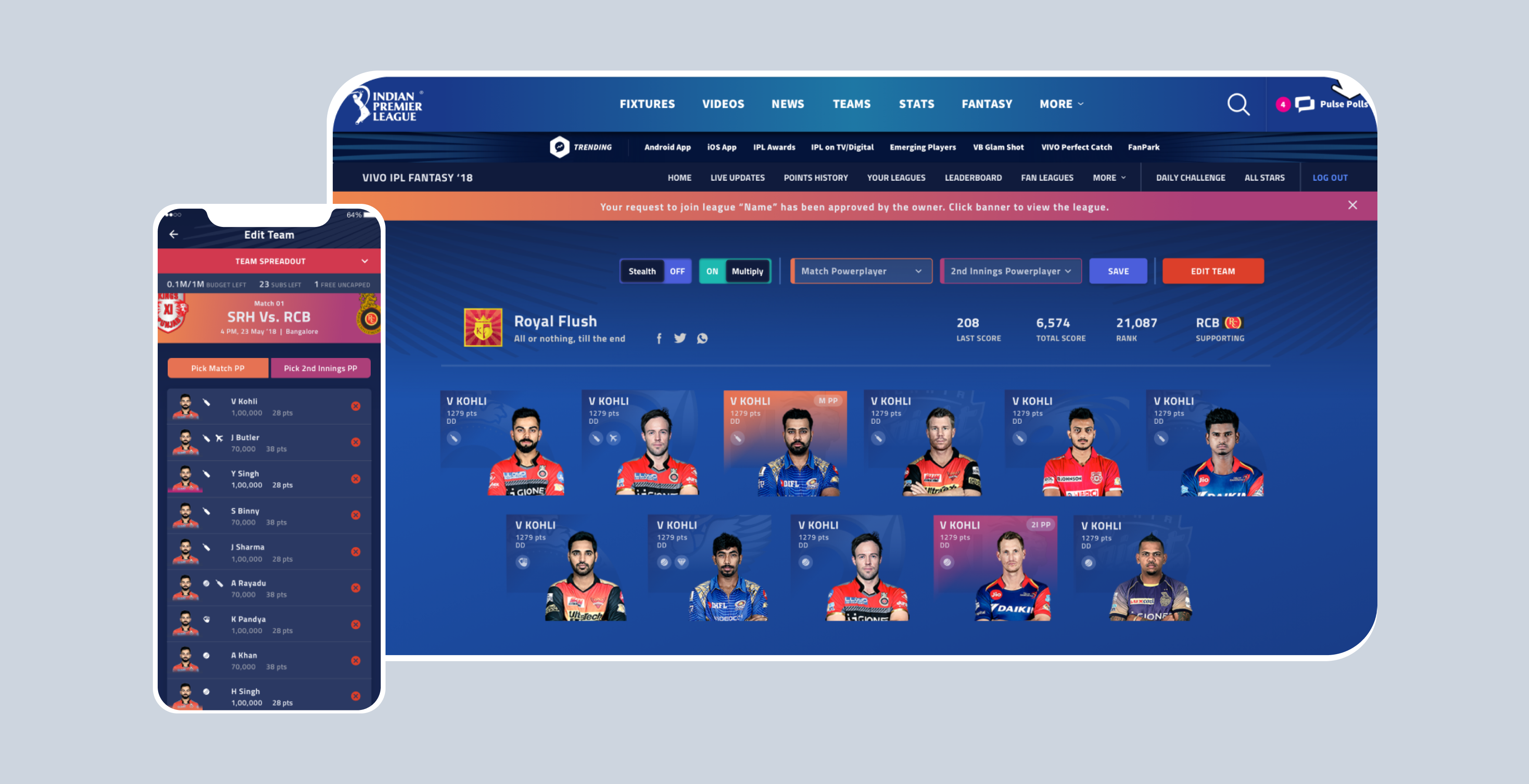
IPL Fantasy League
Innovation and Development Partners for BCCI's official Fantasy Gaming Platform
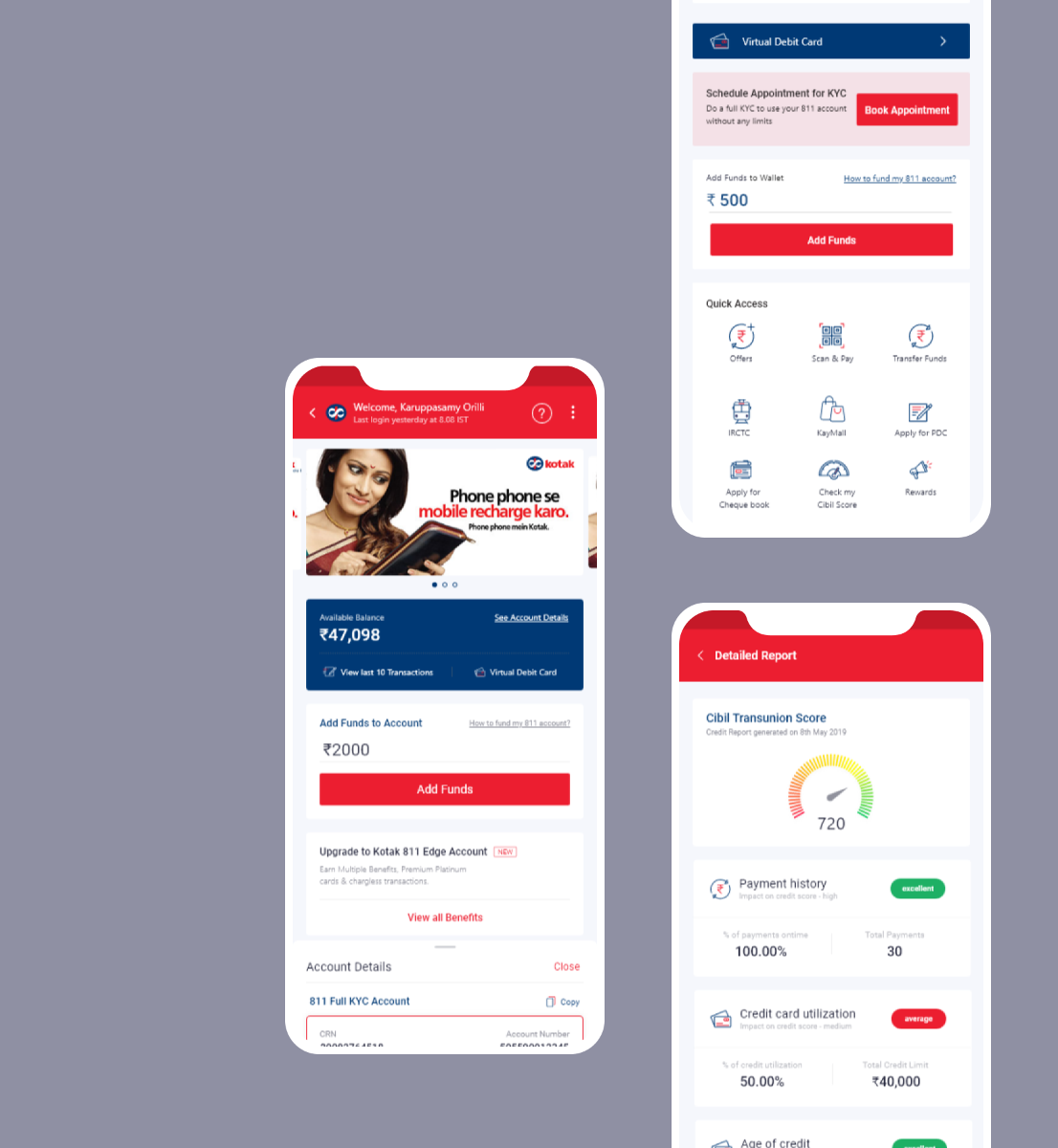
Banking and Fintech
Kotak Mahindra Bank
Designing a seamless user experience for Kotak 811 digital savings account