



Dynamic Pricing & Revenue Optimization
Maximize Revenue with AI-Powered Pricing
In travel, the right price at the right time is the difference between empty inventory and maximum revenue. Static pricing leaves money on the table during high demand and fails to attract bookings during slow periods. AI changes this equation.
We build machine learning systems that analyze demand signals, competitor rates, and market conditions to optimize prices in real time. Our solutions have helped travel companies increase revenue by ten to twenty percent while maintaining competitive positioning and customer satisfaction.

Why AI for Pricing
Human revenue managers cannot process the volume and velocity of data needed for optimal pricing decisions.
Real Time Market Response
Markets move constantly. Competitor price changes, booking surges, cancellation patterns, and external events all impact optimal pricing. AI monitors these signals continuously and recommends adjustments faster than any manual process.
Pattern Recognition at Scale
Machine learning identifies pricing patterns across millions of transactions that human analysts would miss. The AI discovers which customer segments are price sensitive, optimal timing for promotions, and the true demand elasticity for each product.
Continuous Optimization
Unlike static rules, AI models learn and improve with every transaction. As market conditions change, the system adapts its strategies. This continuous learning compounds revenue gains over time.
IMPLEMENTATION PROCESS
How we build and deploy AI dynamic pricing systems
Data
Assessment
We audit your historical pricing and booking data, identify available demand signals, and assess data quality. This determines model feasibility and highlights gaps that need to be filled before implementation.
Demand
Modeling
We build machine learning models that forecast demand based on seasonality, day of week patterns, lead time curves, and external factors. Accurate demand prediction is the foundation of effective dynamic pricing.
Price
Optimization
Using demand forecasts and price elasticity models, we build optimization algorithms that recommend prices maximizing revenue within your business constraints. The system considers inventory levels, minimum margins, and competitive positioning.
Competitive
Intelligence
We integrate competitor rate monitoring and market intelligence feeds. The AI considers competitive positioning when making recommendations, ensuring your prices remain attractive relative to alternatives.
System
Integration
We connect the pricing engine to your booking system, distribution channels, and revenue management workflows. Recommendations can be automatically applied or routed through approval processes based on your preferences.
Performance
Monitoring
We track pricing recommendations against actual bookings to measure effectiveness. A B tests quantify incremental revenue. The model continuously retrains on new data to improve accuracy over time.
Technology Stack
Advanced ML technologies powering our pricing solutions
Machine Learning Models
Gradient boosting, neural networks, and ensemble methods for demand forecasting and price elasticity modeling. We select algorithms based on data characteristics and prediction requirements.
Optimization Engines
Mathematical optimization and reinforcement learning for finding optimal prices given constraints. Real time engines process thousands of pricing decisions per second with sub millisecond latency.
Data Infrastructure
Apache Kafka for real time data streaming, Spark for batch processing, and feature stores for ML feature management. Cloud infrastructure on AWS, GCP, or Azure ensures scalability and reliability.
Pricing Capabilities
Features of our AI dynamic pricing platform
Demand Forecasting
Accurate predictions for capacity planning and pricing decisions
Price Elasticity
Understand how demand changes with price for each segment
Competitor Monitoring
Real time tracking of competitor rates and positioning
Segment Pricing
Differentiated pricing by customer segment, channel, and market
Bundle Optimization
Optimal pricing for packages, add ons, and ancillary services
Revenue Analytics
Dashboards tracking pricing performance and optimization impact
Frequently Asked Questions
Common questions about AI automation for dynamic pricing
How does AI dynamic pricing work for travel?
AI dynamic pricing analyzes multiple data signals including demand patterns, competitor prices, inventory levels, booking velocity, historical data, and external factors like events and weather. Machine learning models process these signals in real time to recommend optimal prices that maximize revenue while maintaining competitiveness.

What data sources are needed for dynamic pricing?

How quickly can prices be adjusted?
Will AI pricing alienate customers with frequent changes?
How do you measure the ROI of dynamic pricing?
Can dynamic pricing integrate with existing revenue management systems?
We Have Delivered 100+ Digital Products



Sports and Gaming
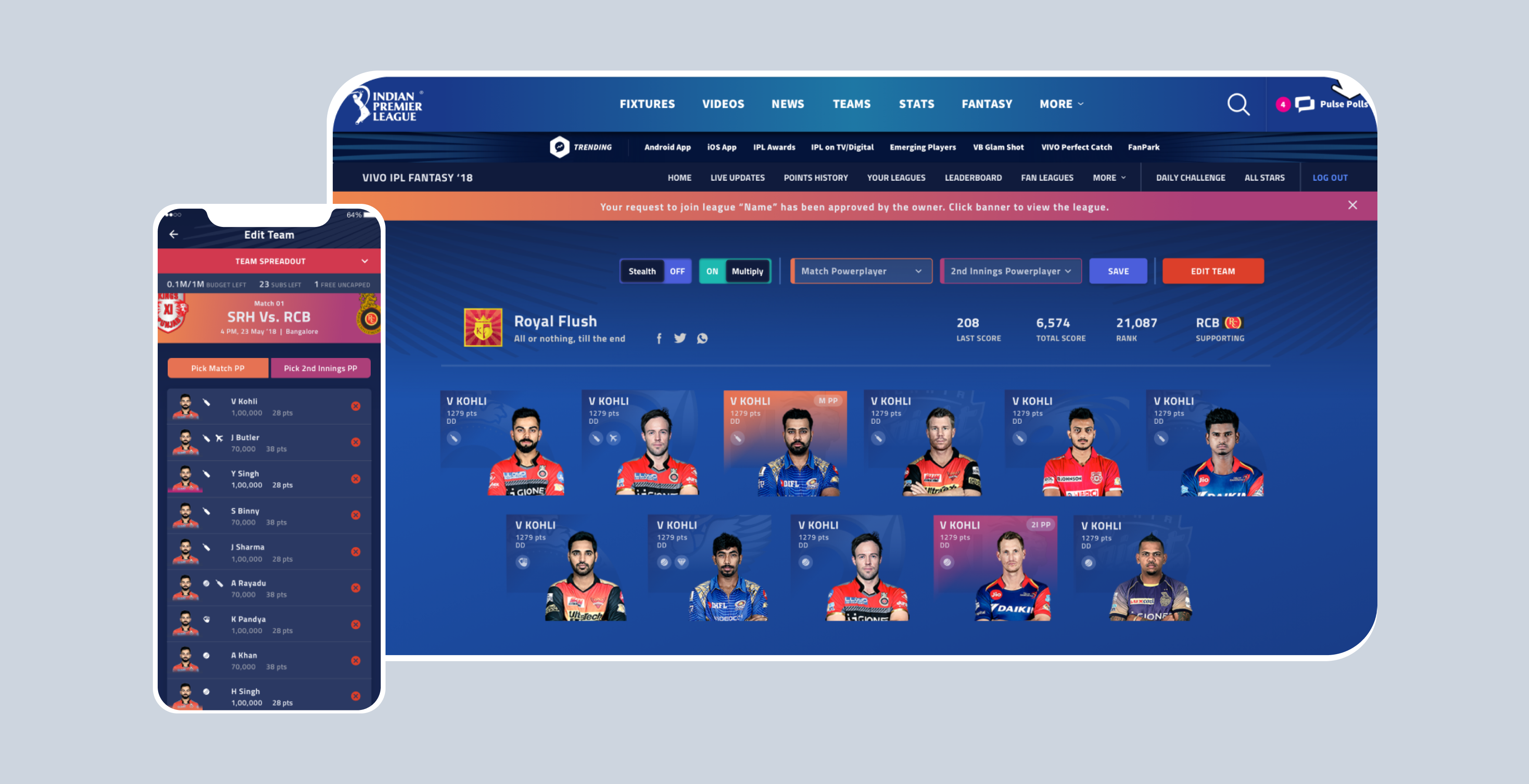
IPL Fantasy League
Innovation and Development Partners for BCCI's official Fantasy Gaming Platform
Banking and Fintech
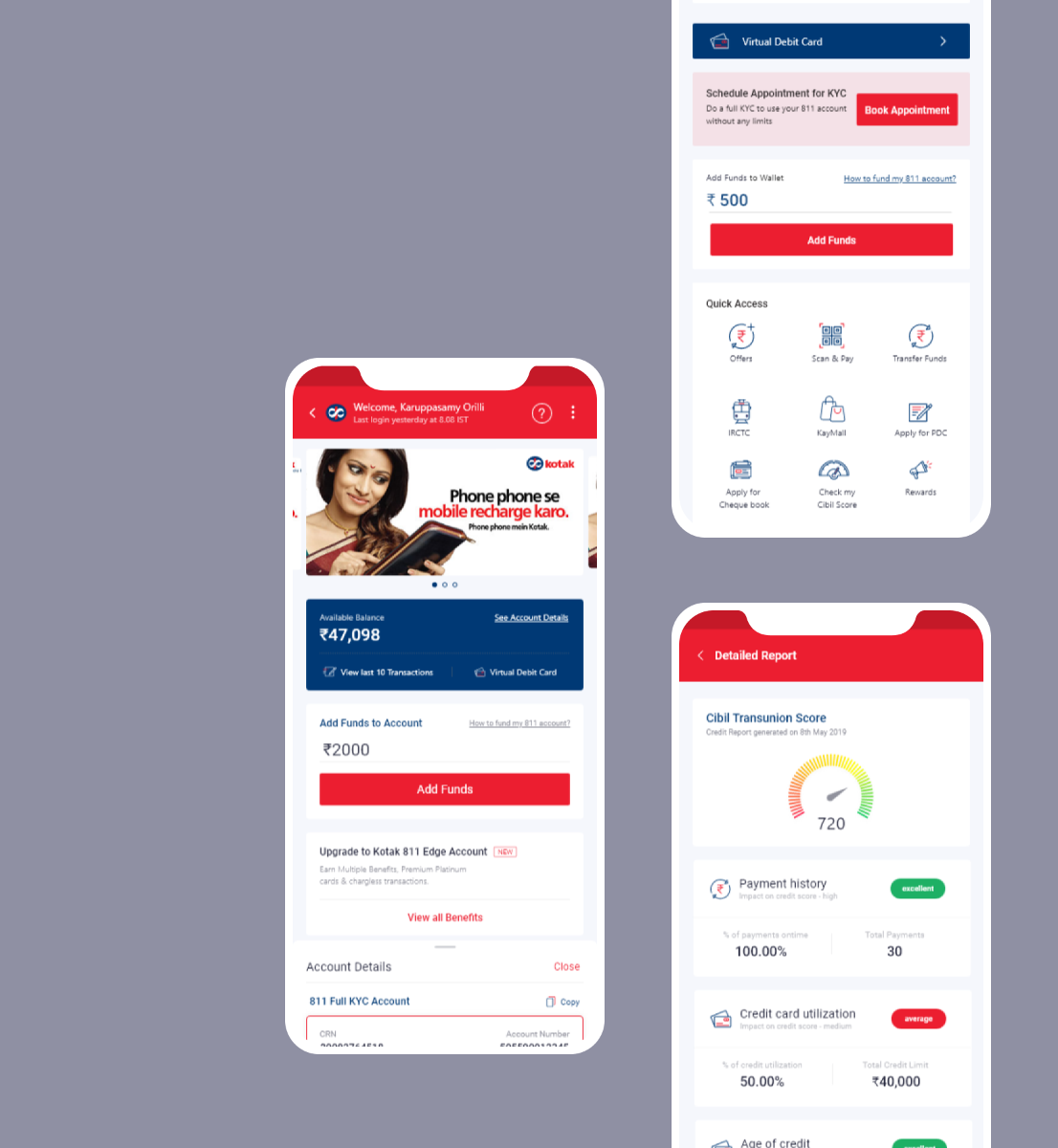
Kotak Mahindra Bank
Designing a seamless user experience for Kotak 811 digital savings account

News and Media
News Laundry
Reader-Supported Independent News and Media Organisation




Cartoon Mango was great to work with. They improvise and provide 24X7 support.
Gaurav Saxena
Media Manager - BCCI




Design for Success
AI Automation
- AI Operations
- Manufacturing AI
- Logistics AI
- Retail AI
- Finance AI
- Healthcare AI
- HR AI
Engagement
- Gamification
- Interactive Marketing