



Personalized Recommendation Engines
AI That Understands Every Traveler
Every traveler is different. Some seek adventure, others prefer relaxation. Some travel with families, others solo. Budget constraints, timing preferences, and past experiences all shape what makes a trip perfect. Generic recommendations miss these nuances.
We build AI recommendation engines that learn individual traveler preferences and deliver suggestions that feel personally curated. Our systems increase conversion rates, average order values, and customer satisfaction by showing each user exactly what they are looking for.

Why AI Personalization
Travel has infinite options. AI helps each user find the perfect match.
Cut Through the Noise
Travelers are overwhelmed by choices. Thousands of hotels, hundreds of destinations, countless activities. AI filters this complexity by surfacing options most likely to resonate with each individual user based on their unique preferences.
Increase Conversion
When users see relevant options immediately, they convert faster. Personalized search results and recommendations reduce bounce rates, increase time on site, and drive higher booking completion rates compared to generic listings.
Drive Higher Value
Personalized upsells and cross sells feel helpful rather than pushy. AI identifies which upgrades, add ons, and complementary products each user would value, increasing average order value while improving satisfaction.
IMPLEMENTATION PROCESS
How we build personalized recommendation systems
Data
Collection
We implement tracking for user interactions including searches, views, clicks, bookings, and explicit preferences. This behavioral data forms the foundation for understanding what each user wants.
Content
Enrichment
We enrich your inventory catalog with detailed attributes, embeddings, and semantic tags. Rich content metadata enables the AI to understand similarities between items and match them to user preferences.
Model
Development
We build recommendation models using collaborative filtering, content based filtering, and deep learning approaches. Ensemble methods combine multiple signals for more accurate predictions.
Real Time
Serving
We deploy models to serve personalized recommendations in real time. Low latency inference ensures recommendations appear instantly as users browse without impacting page load times.
Integration
& Testing
We integrate recommendations into search results, product pages, emails, and apps. A B testing validates impact on engagement and conversion before full rollout.
Continuous
Learning
Models retrain regularly on new interaction data. We monitor recommendation quality, track business metrics, and tune algorithms to continuously improve performance.
Technology Stack
Modern ML technologies powering our recommendation engines
Deep Learning Models
Neural collaborative filtering, transformer based models, and embedding techniques for learning complex user item relationships. TensorFlow and PyTorch for model development.
Feature Engineering
Feature stores for managing user and item features. Real time feature computation for session based personalization. Embedding generation for content understanding.
Serving Infrastructure
Low latency model serving with TensorFlow Serving, TorchServe, or custom solutions. Caching layers and vector databases for sub millisecond response times at scale.
Recommendation Types
Personalization across the travel journey
Destination Discovery
Suggest destinations matching traveler style and preferences
Hotel Matching
Surface properties aligned with amenity preferences and budget
Activity Suggestions
Recommend experiences and tours based on interests
Smart Upsells
Personalized upgrades and add ons that increase value
Similar Items
Find alternatives when first choice is unavailable
Email Personalization
Tailored content and offers in marketing communications
Frequently Asked Questions
Common questions about AI automation for personalization
How does AI personalization work for travel?
AI personalization analyzes user behavior including searches, bookings, browsing patterns, and stated preferences. Machine learning models identify patterns and similarities with other travelers to predict what each user would find relevant. Recommendations consider factors like budget, travel style, past destinations, group composition, and timing preferences.

What data is needed to power personalized recommendations?

How do you handle the cold start problem for new users?
Can personalization increase conversion rates?
How do you balance personalization with discovery?
Is personalization possible across anonymous users?
We Have Delivered 100+ Digital Products


Sports and Gaming
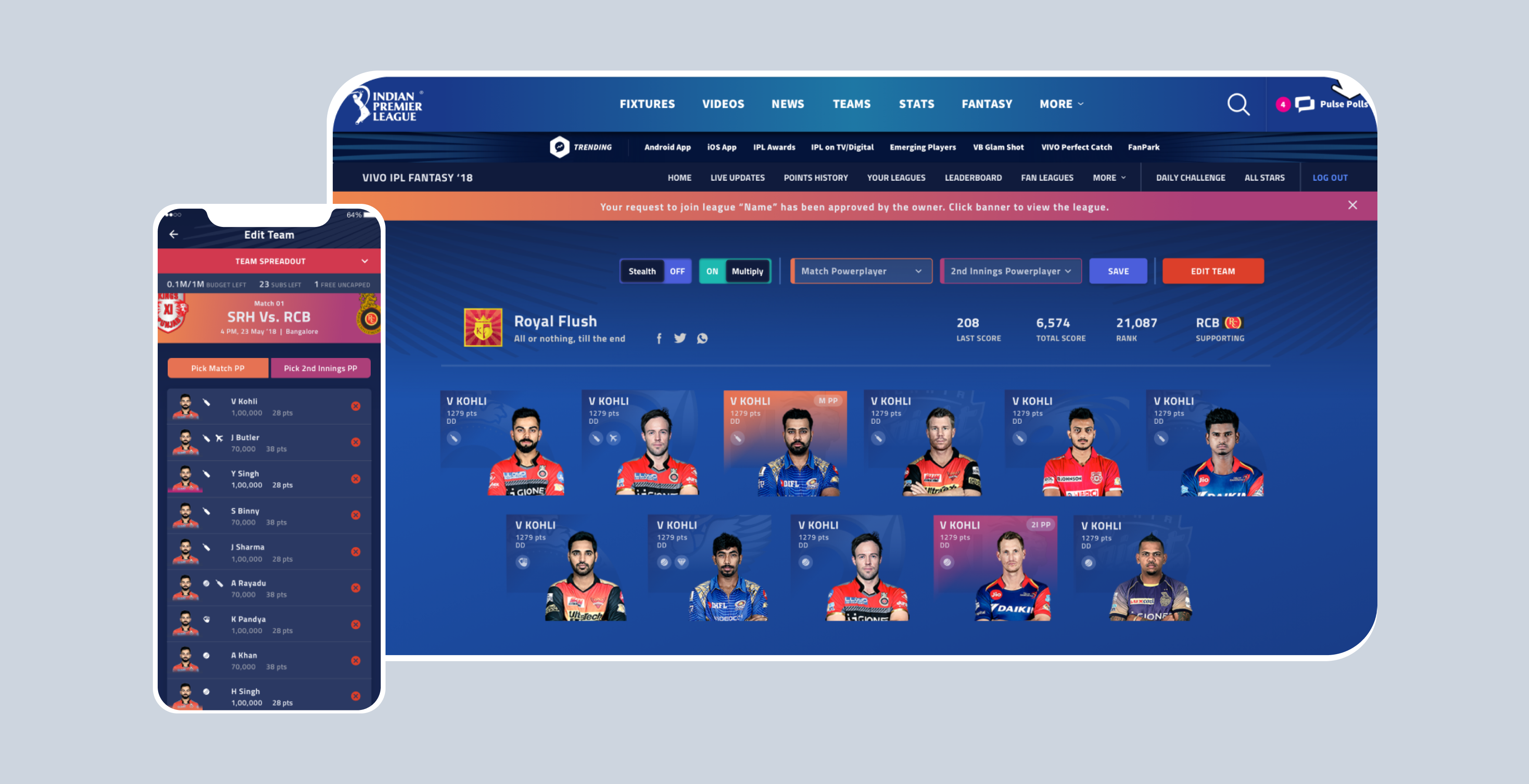
IPL Fantasy League
Innovation and Development Partners for BCCI's official Fantasy Gaming Platform
Banking and Fintech
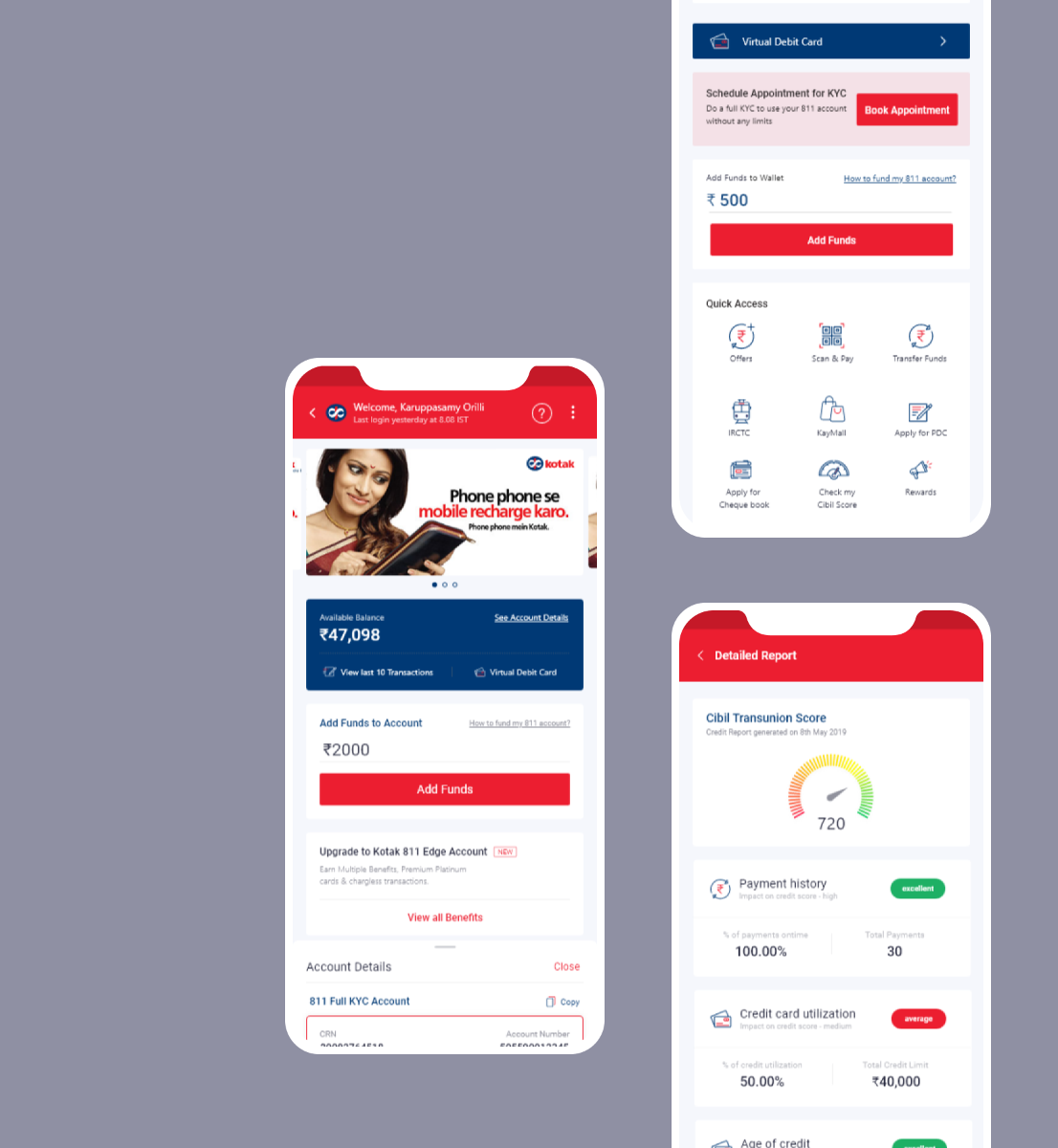
Kotak Mahindra Bank
Designing a seamless user experience for Kotak 811 digital savings account
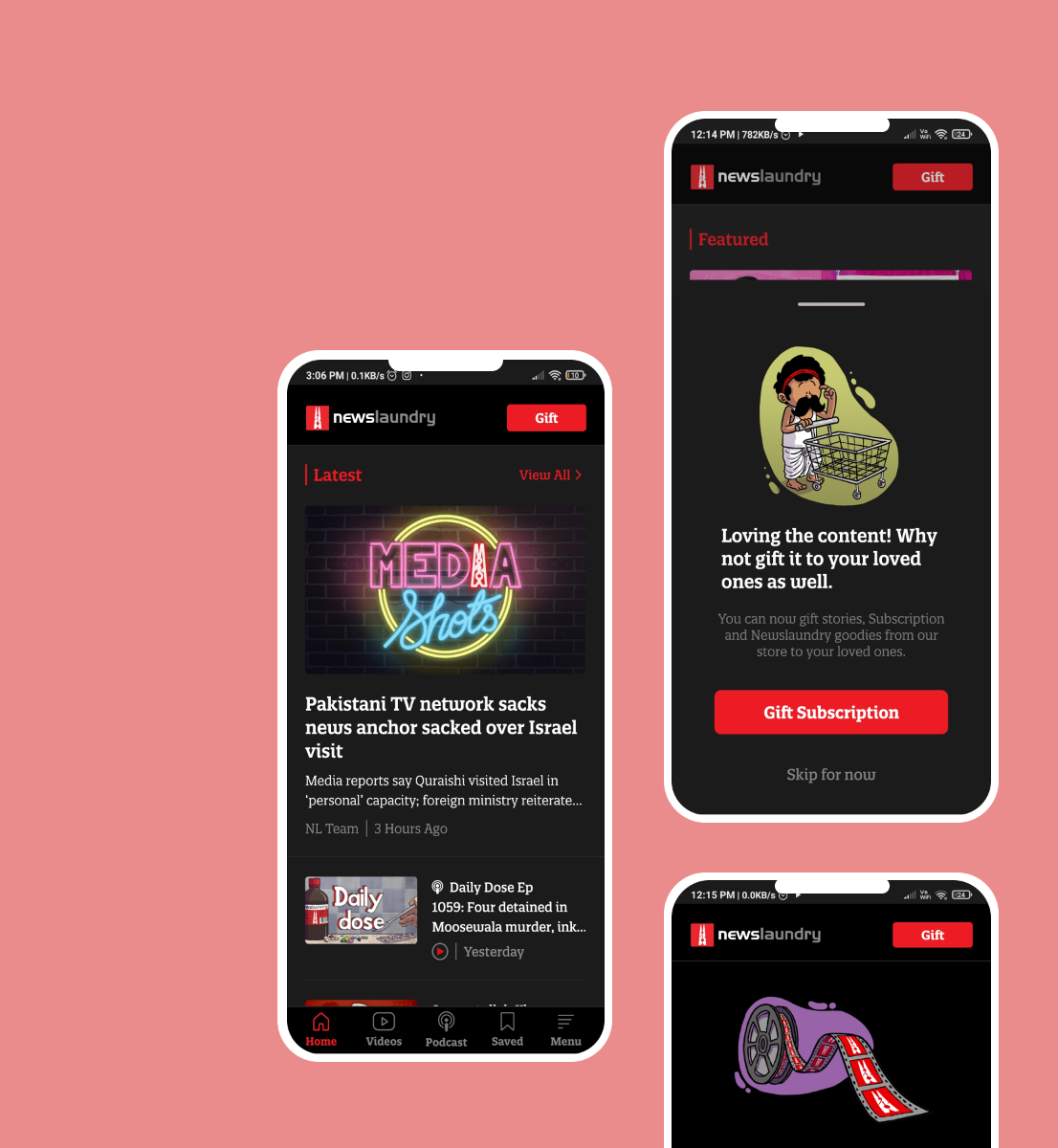
News and Media
News Laundry
Reader-Supported Independent News and Media Organisation


Cartoon Mango was great to work with. They improvise and provide 24X7 support.
Gaurav Saxena
Media Manager - BCCI




Design for Success
AI Automation
- AI Operations
- Manufacturing AI
- Logistics AI
- Retail AI
- Finance AI
- Healthcare AI
- HR AI
Engagement
- Gamification
- Interactive Marketing