



Predictive Analytics & Demand Forecasting
See the Future of Travel Demand
Travel businesses operate on thin margins where planning errors are expensive. Empty seats, vacant rooms, and idle inventory represent lost revenue that can never be recovered. Overstaffing burns cash while understaffing damages customer experience.
We build predictive analytics systems that forecast demand with high accuracy. Our models analyze historical patterns, market signals, and external factors to help you plan inventory, staffing, pricing, and marketing with confidence. Stop reacting to demand and start anticipating it.

Why Predictive Analytics for Travel
The travel industry is uniquely suited to benefit from demand prediction.
Perishable Inventory
An unsold seat or room on a given date is lost forever. Accurate demand forecasts enable optimal pricing and inventory allocation that maximizes revenue from every available unit.
Seasonal Complexity
Travel demand follows complex patterns driven by seasons, holidays, events, and economic cycles. AI models capture these multi dimensional patterns better than rule based systems or spreadsheet analysis.
Operational Planning
Staffing, vehicle allocation, inventory purchasing, and marketing campaigns all depend on demand expectations. Reliable forecasts enable better resource planning and cost management across operations.
IMPLEMENTATION PROCESS
How we build predictive analytics capabilities
Historical Data
Analysis
We analyze your historical booking, revenue, and operational data to identify patterns, seasonality, and trends. This baseline understanding informs model design and sets accuracy expectations.
Feature
Engineering
We identify and create predictive features from your data and external sources. Calendar features, lagged demand, competitive signals, and economic indicators all contribute to forecast accuracy.
Model
Development
We train time series models, gradient boosting algorithms, and neural networks on your data. Ensemble methods combine multiple models for more robust predictions across different conditions.
Validation &
Backtesting
We rigorously validate models against held out historical data to measure accuracy and identify failure modes. Backtesting simulates how models would have performed in real decision scenarios.
Production
Deployment
We deploy forecasting pipelines that generate fresh predictions on schedule. Dashboards and APIs make forecasts accessible to planners, revenue managers, and downstream systems.
Continuous
Monitoring
We track forecast accuracy versus actuals, detect model drift, and trigger retraining when performance degrades. Automated monitoring ensures predictions remain reliable over time.
Technology Stack
Advanced forecasting technologies powering our solutions
Time Series Models
Prophet, ARIMA, exponential smoothing, and neural network architectures like N BEATS and Temporal Fusion Transformers for capturing complex temporal patterns.
ML Frameworks
XGBoost, LightGBM, and CatBoost for feature rich predictions. TensorFlow and PyTorch for deep learning approaches. MLflow for experiment tracking and model management.
Data Pipeline
Apache Airflow for orchestration, dbt for data transformation, and cloud data warehouses for storage. Automated pipelines ensure fresh forecasts without manual intervention.
Forecasting Applications
Where predictive analytics drives business value
Demand Forecasting
Predict booking volumes by route, date, and segment
Capacity Planning
Right size inventory and staffing based on expected demand
Churn Prediction
Identify at risk customers before they leave
No Show Prediction
Forecast cancellations for optimal overbooking
Marketing Response
Predict campaign effectiveness and optimal targeting
Anomaly Detection
Alert on unusual patterns requiring attention
Frequently Asked Questions
Common questions about AI automation for predictive analytics
What can predictive analytics forecast in travel?
Predictive analytics can forecast booking demand by route and date, optimal pricing windows, customer churn likelihood, no show and cancellation probabilities, staffing requirements, inventory needs, marketing campaign response rates, and seasonal trend shifts. The value comes from acting on predictions before events occur.

How accurate are demand forecasts for travel?

What data sources improve prediction accuracy?
How do you handle unprecedented events in predictions?
Can predictive analytics help with overbooking strategies?
How long does historical data need to cover for good predictions?
We Have Delivered 100+ Digital Products


Sports and Gaming
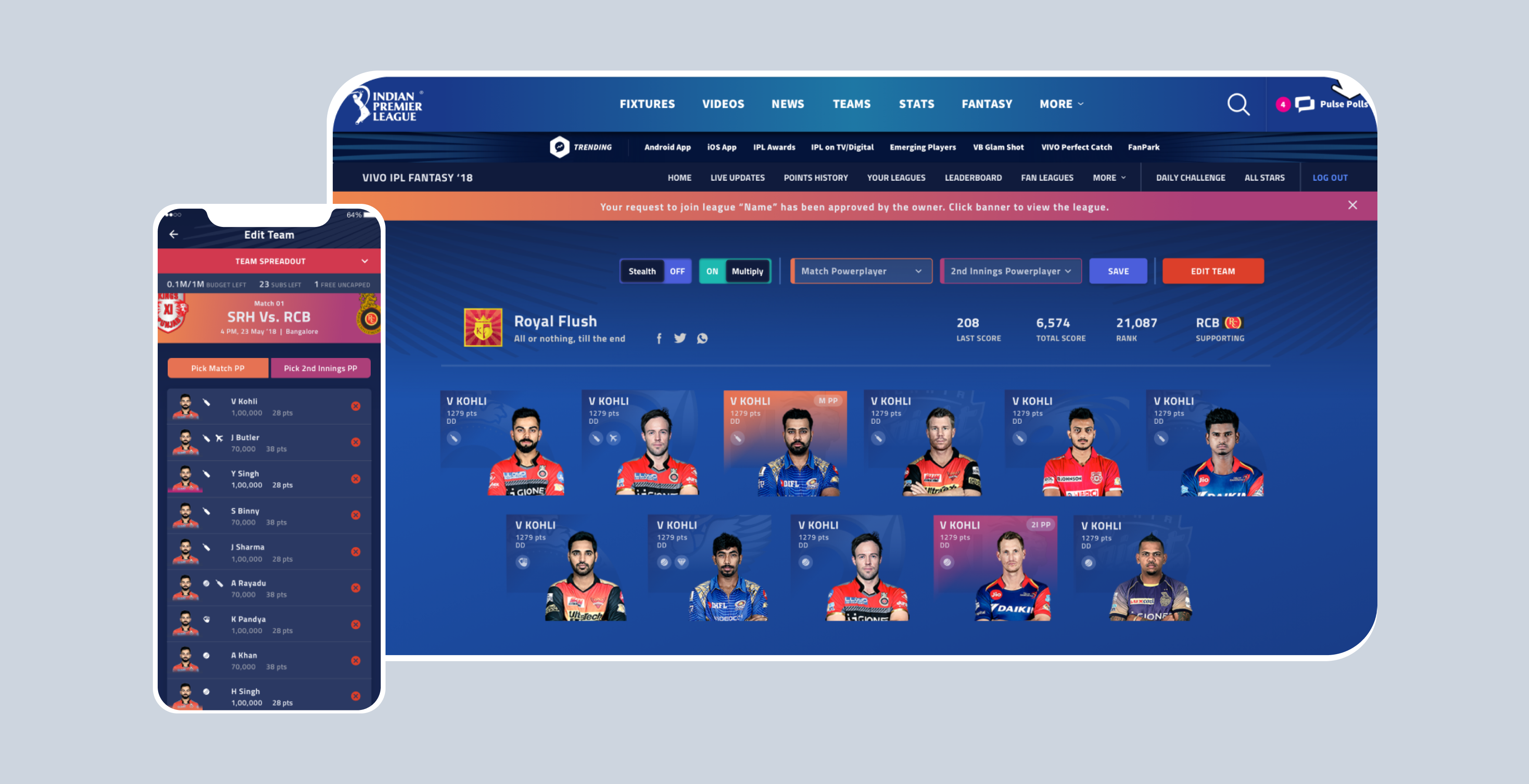
IPL Fantasy League
Innovation and Development Partners for BCCI's official Fantasy Gaming Platform
Banking and Fintech
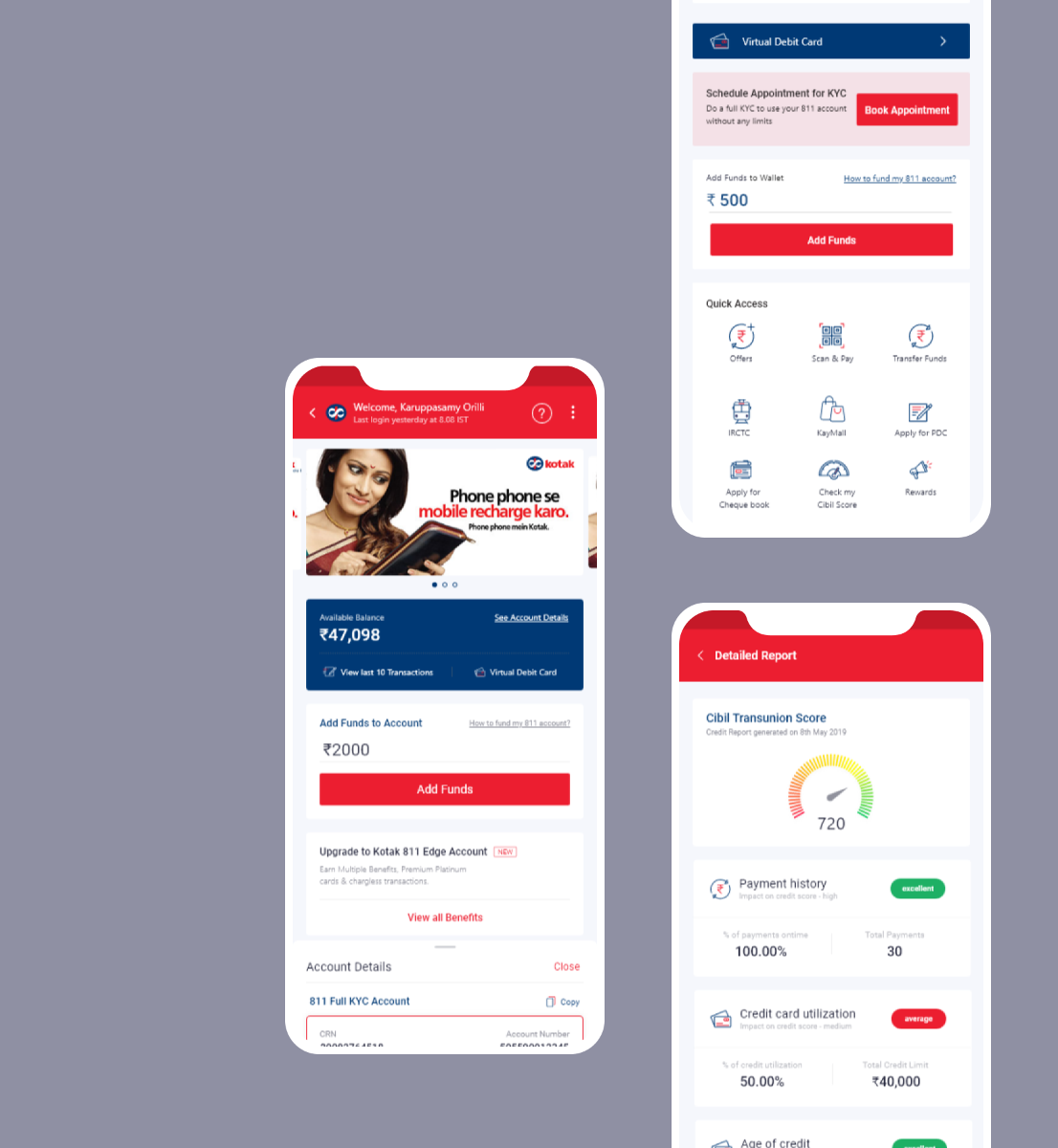
Kotak Mahindra Bank
Designing a seamless user experience for Kotak 811 digital savings account
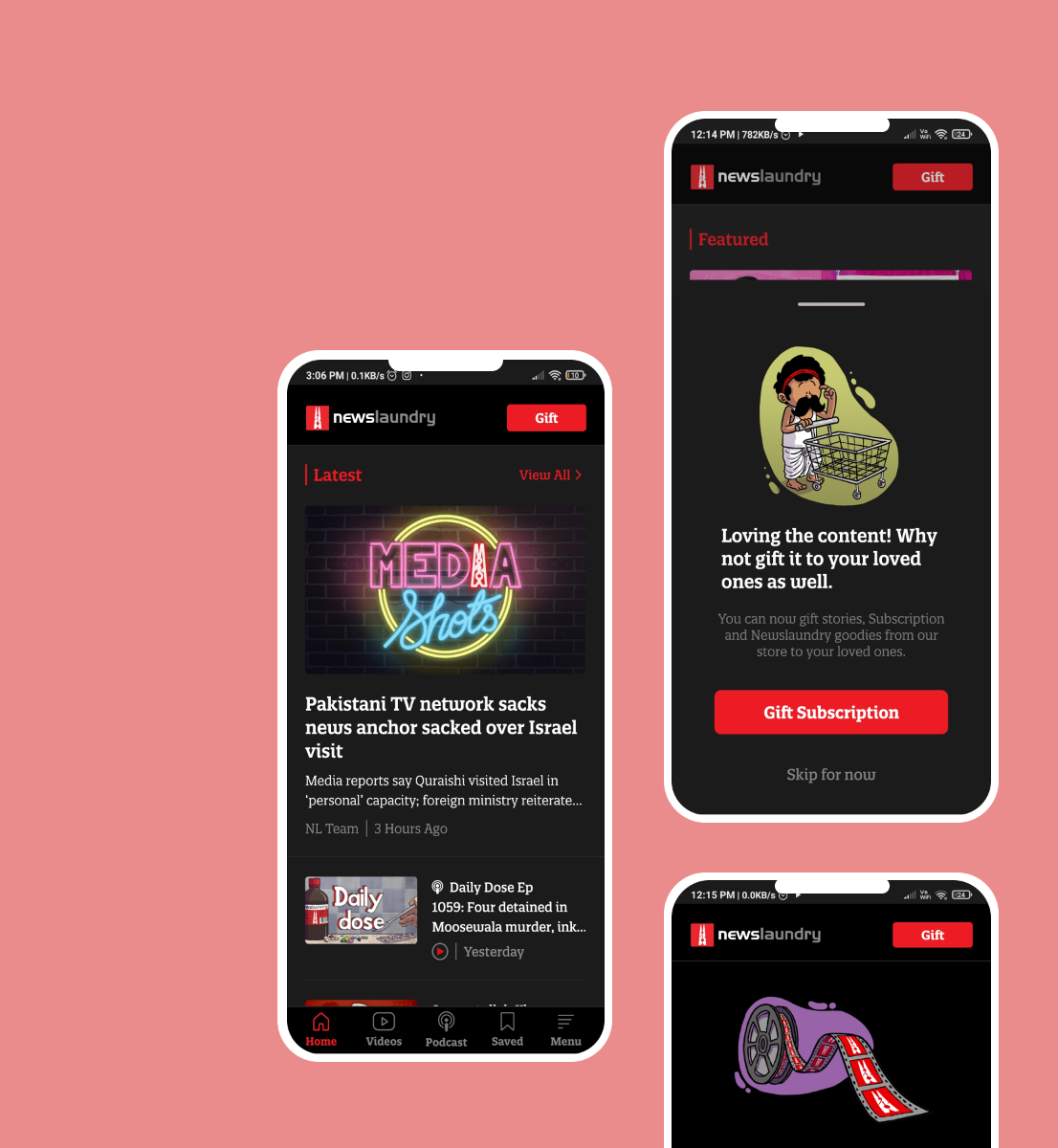
News and Media
News Laundry
Reader-Supported Independent News and Media Organisation
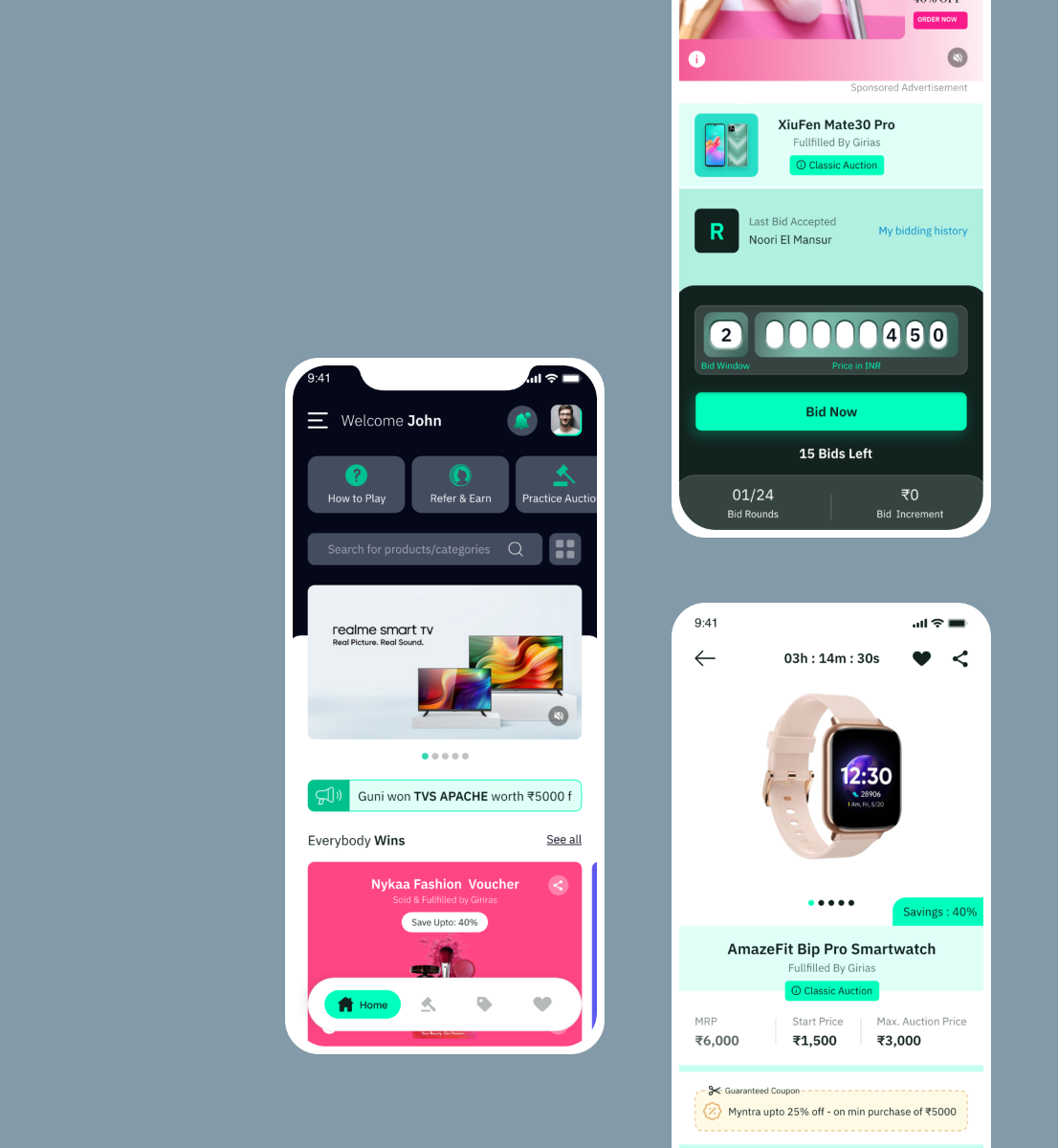



Cartoon Mango was great to work with. They improvise and provide 24X7 support.
Gaurav Saxena
Media Manager - BCCI




Design for Success
AI Automation
- AI Operations
- Manufacturing AI
- Logistics AI
- Retail AI
- Finance AI
- Healthcare AI
- HR AI
Engagement
- Gamification
- Interactive Marketing